Complete Guide to Italian Wine
Major Wine Regions
When you explore the major wine regions of Italy, you’ll find that North-West Italy offers a rich range of flavors and key grape varieties, like Nebbiolo and Dolcetto. This region is celebrated for its iconic wines such as Barolo and Barbaresco, each reflecting the unique terroir of the Monferrato hills. In fact, Piedmont holds the highest number of DOC and DOCG wines in Italy, showcasing its commitment to quality and authenticity. As you journey through North-East Italy, the landscape shifts, introducing you to a new array of varietals and distinctive wines that deserve your attention.
North-West Italy
When exploring North-West Italy, you’ll encounter the remarkable wine regions of Piedmont, Valle D’Aosta, Lombardy, and Liguria. Each area boasts unique grape varieties and climate influences, shaping the character of their wines, from the robust Nebbiolo of Barolo to the crisp whites of Cinque Terre. Notably, the elegant, aromatic, earthy red wines produced here reflect the cooler climate and shorter growing season of the region. Engaging with these regions not only broadens your palate but also deepens your appreciation for Italy’s diverse winemaking heritage.
Piedmont
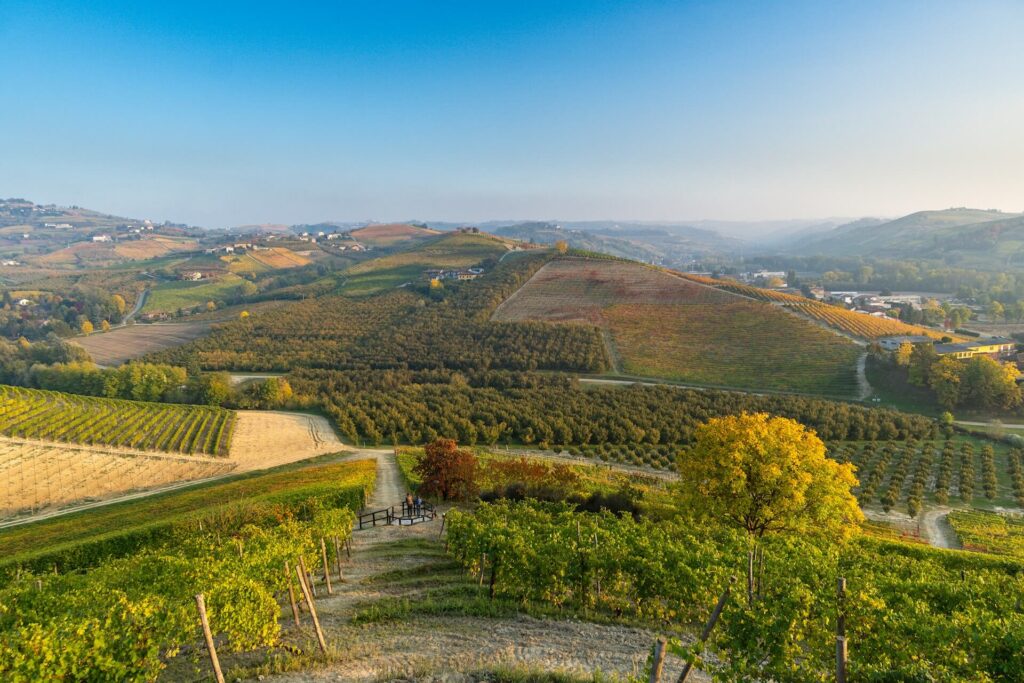
Nestled in the foothills of the Alps, Piedmont stands as a beacon of Italian viticulture, where the interplay of unique terroirs and diverse microclimates creates exceptional wines. Here, you’ll discover the elegance of Nebbiolo, the fruitiness of Barbera, and the sweetness of Moscato. With 19 prestigious DOCG wines, Piedmont invites you to savor its rich heritage and indulge in unforgettable experiences. The region is renowned for its exceptional wines like Barolo and Barbaresco, both made from the Nebbiolo grape.
Explore the Piedmont wine region.
Valle D’Aosta
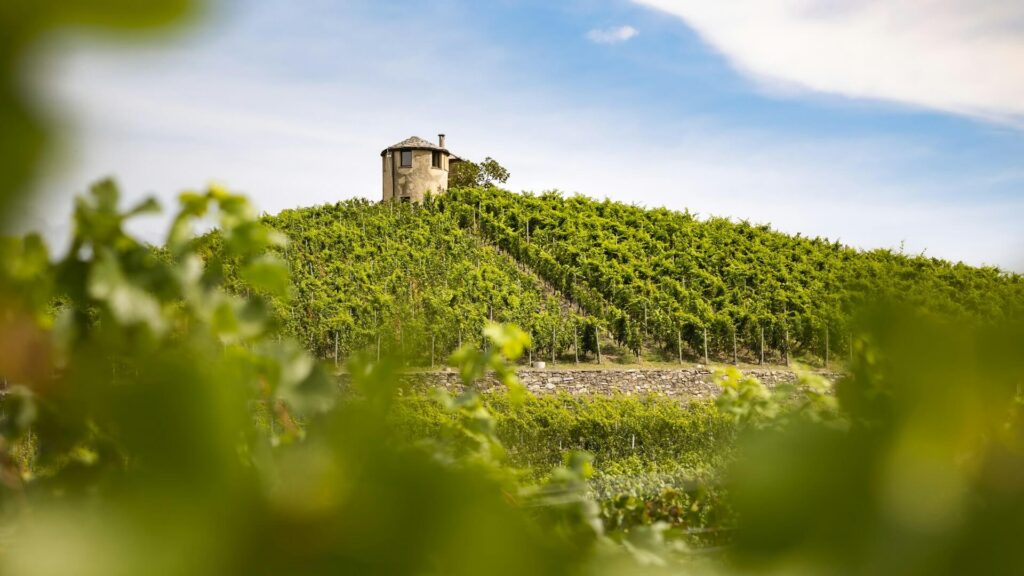
Valle D’Aosta, situated in the shadow of the Italian Alps, offers a mesmerizing contrast to the renowned vineyards of Piedmont. Here, high-altitude vineyards yield unique wines, from complex reds like Petit Rouge to crisp whites like Prié Blanc. The region’s steep slopes necessitate manual vineyard work, which increases production costs and contributes to the artisanal quality of its wines. Embrace the region’s charm, where glacial soils and a continental climate produce exquisite flavors that tell stories of resilience and passion. Discover Valle D’Aosta’s intimate allure.
Explore Aosta Valley wine region.
Lombardy
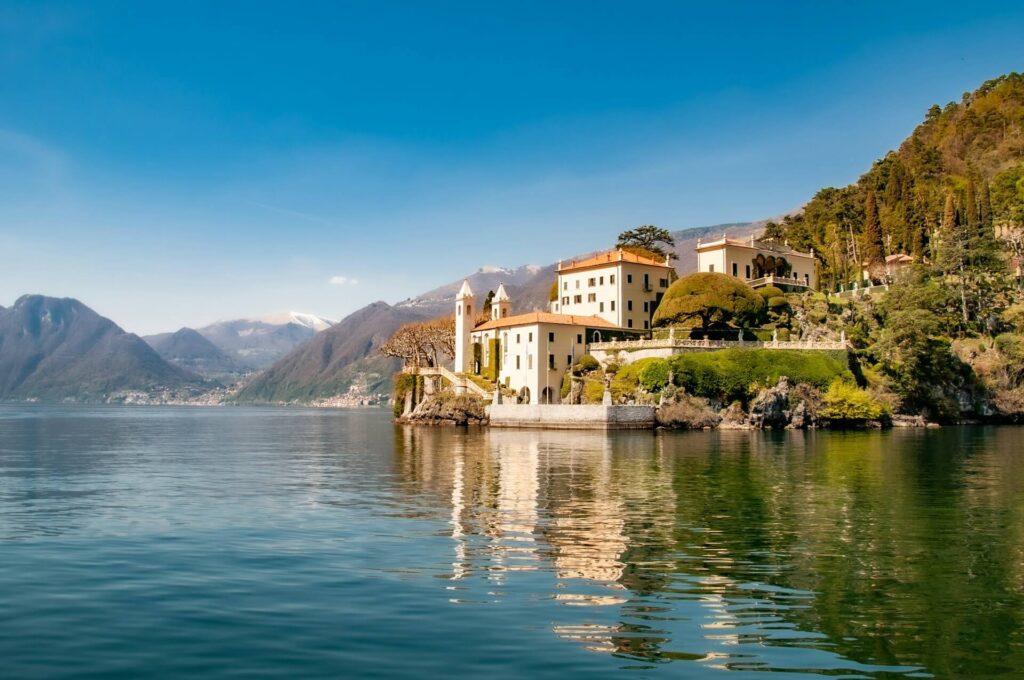
Lombardy, with its diverse landscapes and rich cultural heritage, presents an enchanting world of wine that beckons both connoisseurs and casual drinkers alike. From the ethereal Nebbiolo of Valtellina to the sparkling delights of Franciacorta, you’ll discover unique flavors. The region is home to 20 DOCs, showcasing a variety of wines that embrace the bold reds and invigorating whites that define this region, making every sip a personal journey through its mesmerizing terroirs.
Explore the Lombardy wine region.
Liguria

As you explore Liguria, you’ll find a fascinating interplay of land and sea that shapes its exceptional wines. The sun-drenched terraces cradle unique grapes like Vermentino and Rossese, offering crisp whites and light reds that dance on your palate. Each sip reveals the region’s rich terroir, inviting you to savor the essence of this coastal paradise with every delightful glass. The region’s diverse grape varieties contribute to a wide array of wine styles that reflect its unique microclimate.
Explore the Liguria wine region.
Key grape varieties from north-west Italy
While exploring the enchanting wine regions of north-west Italy, you’ll discover a vibrant tapestry of key grape varieties that define its rich viticultural heritage.
Each variety tells a unique story, inviting you to savor their distinct personalities. Here are four key grapes to know:
- Nebbiolo: The anchor for Piedmont’s prestigious Barolo and Barbaresco as well as Valtellina wines, it offers tannic, age-worthy reds with notes of tar and violet. Nebbiolo is considered the finest red grape in northern Italy.
- Barbera: Known for its juicy acidity, this grape thrives in the hills and produces fruit-forward wines with cherry and plum flavors.
- Dolcetto: The traditional grape in Piedmont to produce soft, ruby, fruity wines.
- Moscato: Celebrated for its aromatic sweetness, it’s perfect for those who love floral and fruity notes.
Each sip connects you to this enchanting region’s soul.
Common wines from north-west Italy
When you explore the wines of north-west Italy, you’ll uncover a remarkable diversity that reflects the region’s unique terroir and winemaking traditions. This area, particularly renowned for its exceptional reds and delightful whites, offers some truly iconic options.
Here are four wines you shouldn’t miss:
- Barolo: Often called the “king of wines,” this bold red demands patience with its 5-year aging requirement for DOC Riserva.
- Barbaresco: Known as the “queen,” this wine requires just 3 years of aging for its Riserva, showcasing elegance.
- Franciacorta: The king of sparkling Classic Method wines in Italy. A blend of Chardonnay, Pinot Noir, Pinot Bianco produced in Lombardy
- Barbera d’Asti: With high acidity, it pairs beautifully with food, enhancing any meal.
These wines promise to enchant your palate and deepen your appreciation for Italian wine.
North-East Italy
When you explore North-East Italy, you’ll uncover a rich tapestry of wine regions, each with its own unique character. Veneto shines as a sparkling wine powerhouse, while Friuli-Venezia Giulia captivates with its exceptional whites and innovative blends. Diverse wine production is a hallmark of the Veneto region, showcasing notable wine styles including both reds and whites. Don’t overlook Trentino-Alto Adige, where alpine influences create wines bursting with crisp acidity and flavor.
Veneto
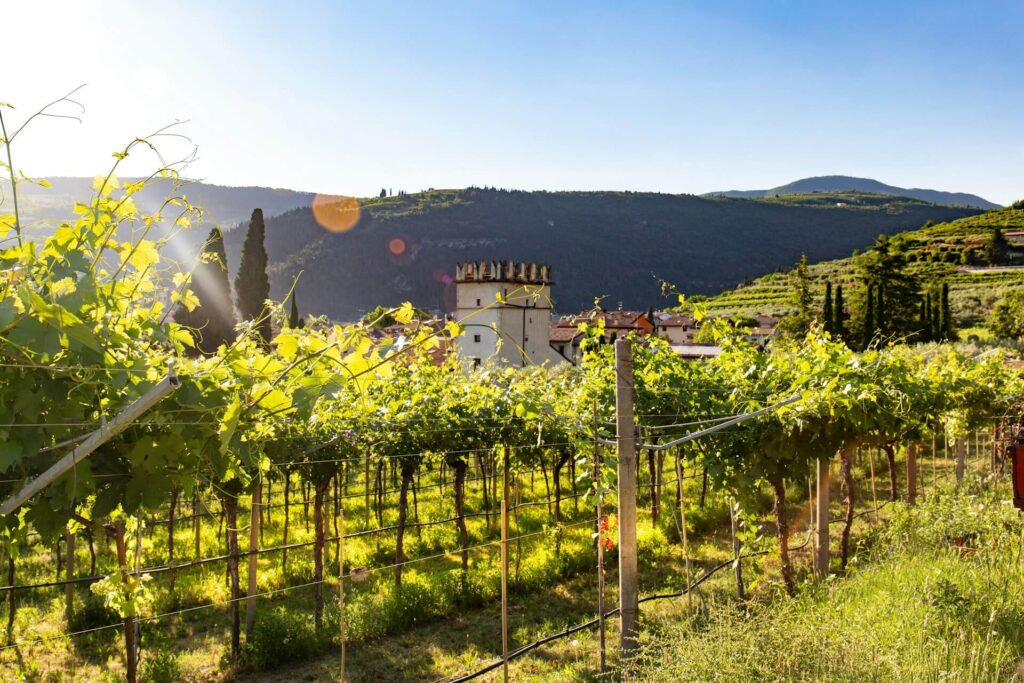
Nestled in the heart of northeastern Italy, Veneto is an enchanting region renowned for its diverse wine production, where the interplay of geography and climate creates a tapestry of flavors. With its mix of hills and plains, and soils ranging from limestone to volcanic, you’ll discover exceptional wines like Prosecco and Valpolicella, each sip inviting you to explore Veneto’s rich viticultural heritage. One-third of production consists of DOC or DOCG wines, showcasing the region’s commitment to quality and typicity.
Explore the Veneto wine region.
Friuli-Venezia Giulia
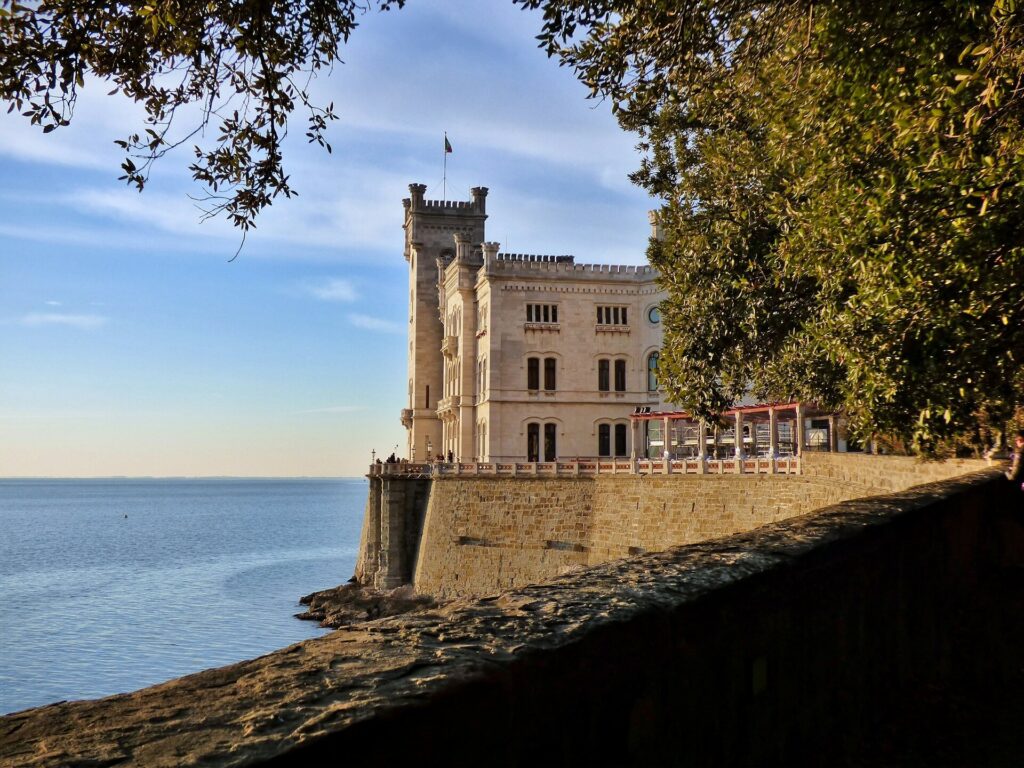
As you explore Friuli-Venezia Giulia, you’ll uncover a region where the rich tapestry of history and geography shapes an exceptional wine landscape. The Mediterranean climate, combined with diverse soils, nurtures unique varieties like Friulano and Ribolla Gialla. Approximately 62% of wine produced in the region falls under a DOC designation, ensuring a standard of quality that enhances each sip, offering a taste of tradition and innovation, inviting you to indulge in the exquisite balance of flavors that define this remarkable corner of Italy.
Explore the Friuli-Venezia Giulia wine region.
Trentino-Alto Adige
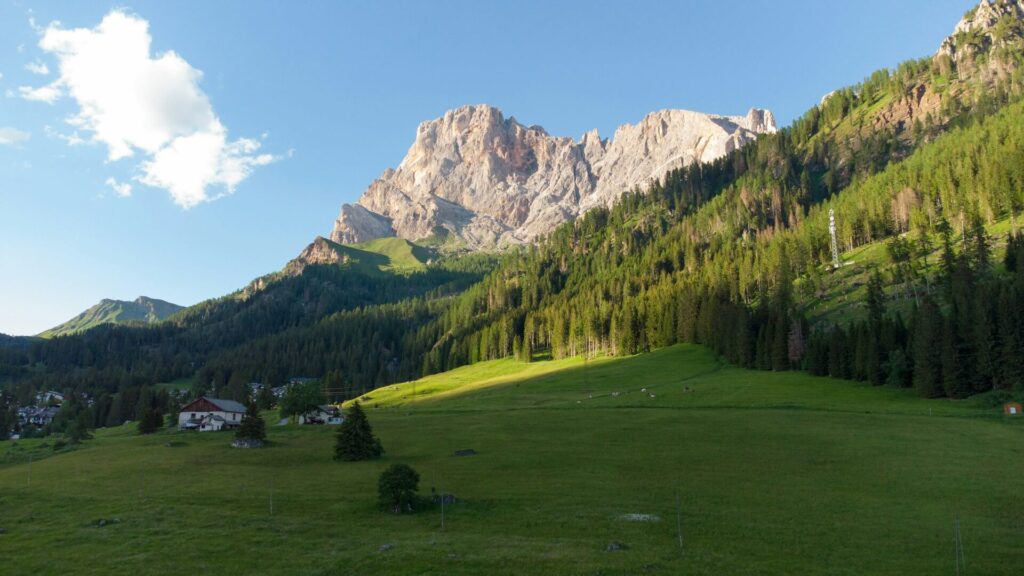
Exploring the wine regions of Italy naturally brings you to Trentino-Alto Adige, an enchanting area where the majestic Alpine landscape meets a rich winemaking tradition. Here, you’ll discover vibrant Pinot Grigio and full-bodied Lagrein, alongside exquisite sparkling wines like Trento DOC. The diverse terroir and passionate producers create wines that resonate with both locals and visitors, inviting you to savor every drop. With about 15,000 hectares of vineyards, this region proudly boasts the highest share of DOC wines in Italy.
Explore the Trentino-Alto Adige wine region.
Key grape varieties from north-east Italy
North-east Italy boasts a rich tapestry of grape varieties that reflect its diverse climates and unique terroirs.
When exploring this enchanting region, you’ll discover:
- Corvina: The heart of Valpolicella blends, offering delightful cherry notes.
- Glera: Essential for Prosecco, it brings forth pear and elderflower flavors.
- Teroldego: Known for its sweet cherry and spice characteristics, it thrives in Trentino.
- Refosco: This dark-skinned variety presents intense tannins and currant flavors, enriching Friuli-Venezia Giulia. Italy has hundreds of native grape varieties
These grapes not only capture the essence of their surroundings but also invite you to savor the intricate stories each bottle tells.
Whether you prefer bright whites or robust reds, north-east Italy‘s offerings will surely charm your palate and ignite your passion for Italian wines.
Common wines from north-east Italy
The enchanting wines of north-east Italy reflect the rich heritage and diverse terroirs of its major wine regions. Each sip tells a story of tradition and passion, inviting you to explore unique flavors.
Here are some common wines you shouldn’t miss:
- Amarone della Valpolicella DOC – Luxurious red with rich raisin notes.
- Soave DOC – Crisp white, showcasing herbaceous and almond hints.
- Prosecco DOC – Bubbly delight, perfect for any celebration.
- Collio DOC – Elegant whites, highlighting Tocai Friulano’s citrus charm, known for producing fresh and light whites.
These wines not only embody the essence of their regions but also create memorable experiences.
Whether you’re savoring a glass alone or sharing it with loved ones, you’ll find a deep connection to Italy’s vibrant wine culture.
Central Italy
When you think of Central Italy, imagine a tapestry of rich flavors and diverse landscapes, where Tuscany reigns with its iconic Sangiovese wines and the coastal charm of Lazio invites you to explore its invigorating whites.
As you venture through Marche and Umbria, you’ll discover robust reds and elegant whites that showcase the region’s unique terroir, with four main wine regions contributing to Italy’s diverse wine landscape.
Each glass tells a story, urging you to experience the vibrant culture and exceptional quality that define Central Italy’s wine heritage.
Tuscany
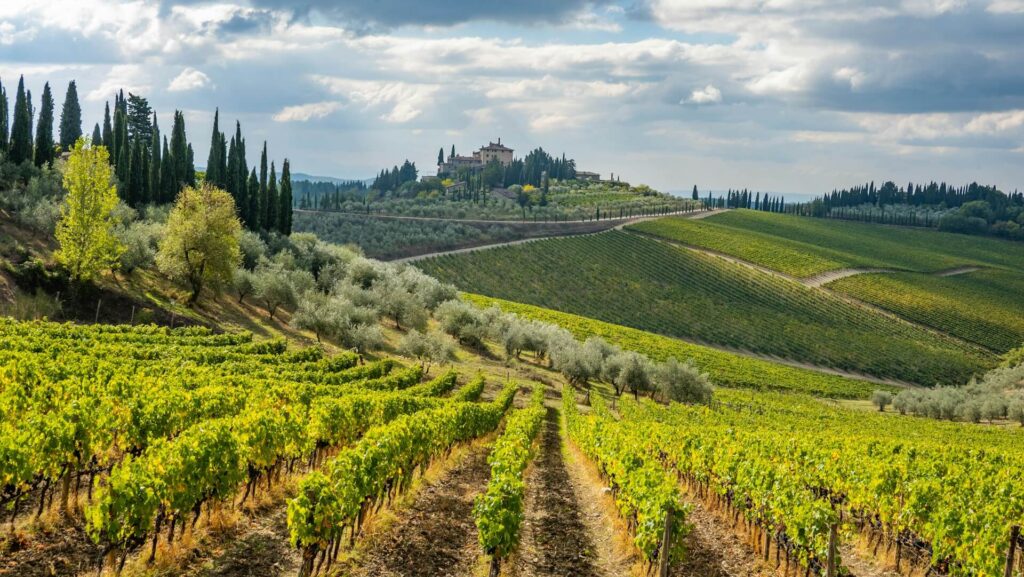
Tuscany, often celebrated as the heart of Italian winemaking, offers a fascinating blend of tradition and innovation that beckons both connoisseurs and casual drinkers alike. Here, Sangiovese reigns, creating iconic wines like Chianti Classico and Brunello di Montalcino. Each sip tells a story of sun-soaked vineyards and centuries-old craftsmanship, inviting you to explore a world where passion and quality intertwine beautifully. With over 300 wineries available, visitors can immerse themselves in the rich tapestry of Tuscan wine culture through tastings and guided tours.
Explore the Tuscany wine region.
Emilia Romagna
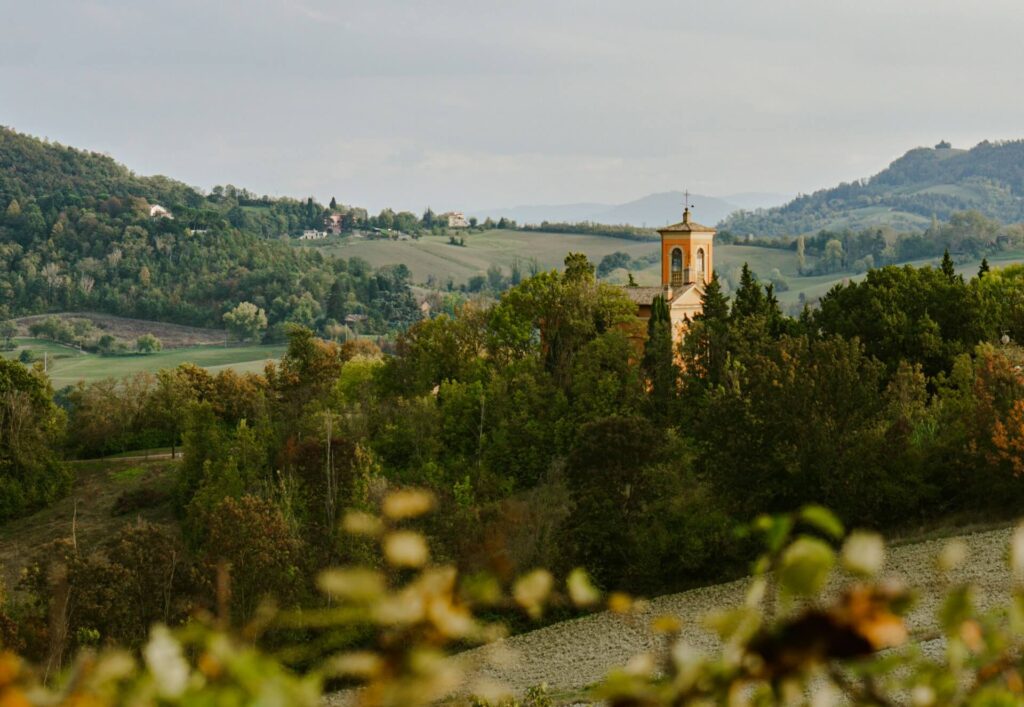
Nestled in the heart of Central Italy, Emilia Romagna captivates wine lovers with its rich tapestry of diverse flavors and traditions. Explore the vibrant Colli Bolognesi DOCG and the effervescent Lambrusco Grasparossa di Castelvetro. With Sangiovese’s luscious cherry notes and Barbera’s bright acidity, each sip invites you deeper into this enchanting region’s soul, promising unforgettable experiences and cherished memories. In 2023, Italian wine production faced challenges, with a 23% drop from the previous year, highlighting the resilience of this region’s winemakers.
Explore the Emilia Romagna wine region.
Umbria
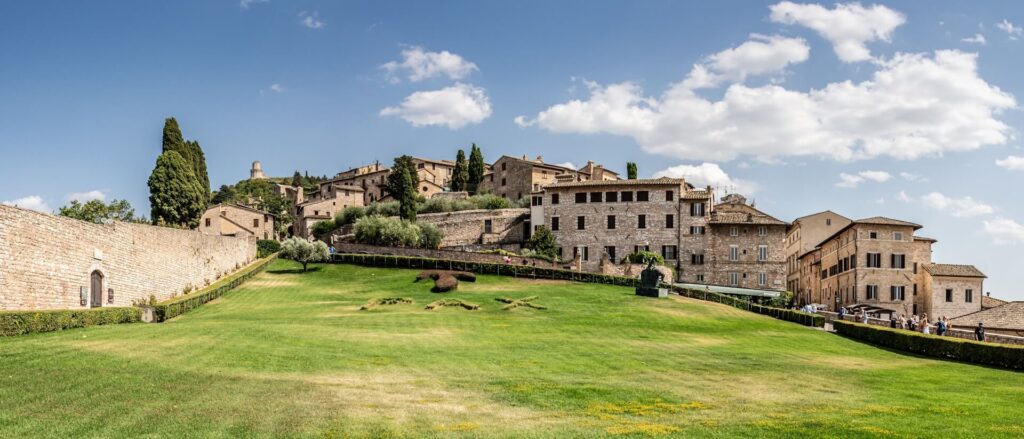
As you venture into Umbria, you’ll discover a wine region that beautifully blends tradition with modernity, earning its reputation as the “Green Heart of Italy.” This central gem, bordered by Tuscany, Le Marche, and Lazio, offers a unique tapestry of flavors, from the crisp whites of Orvieto to the robust reds of Montefalco, showcasing indigenous grapes like Sagrantino that demand your attention and palate. The region is also known for its medieval hilltop towns, adding to the charm of the wine experience.
Explore the Umbria wine region.
Lazio
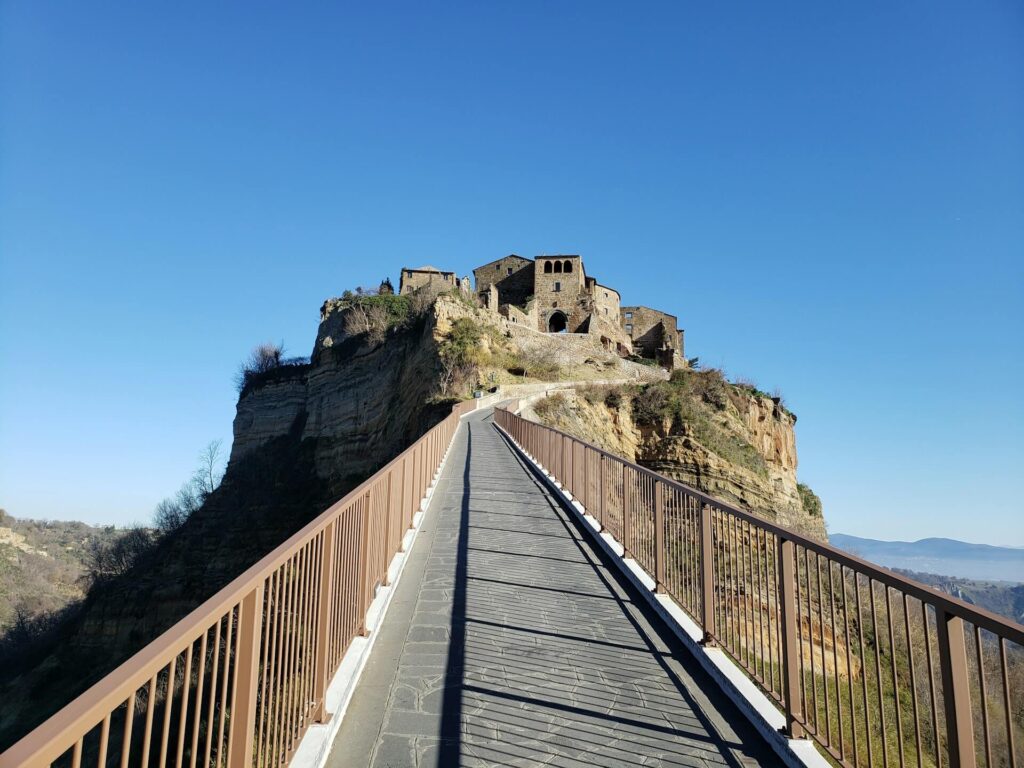
Just south of Umbria lies Lazio, a region that captivates with its rich tapestry of wine styles and grape varieties.
From the crisp, mineral-driven Frascati to the complex tannins of Cesanese del Piglio, Lazio offers a delightful spectrum of flavors. The region’s more than 30 official DOCs contribute to its diverse wine styles, ensuring there’s something for every palate.
Explore its budget-friendly whites and reds, perfectly paired with local cuisine, inviting you to savor every sip of this enchanting landscape.
Explore the Lazio wine region.
Marche
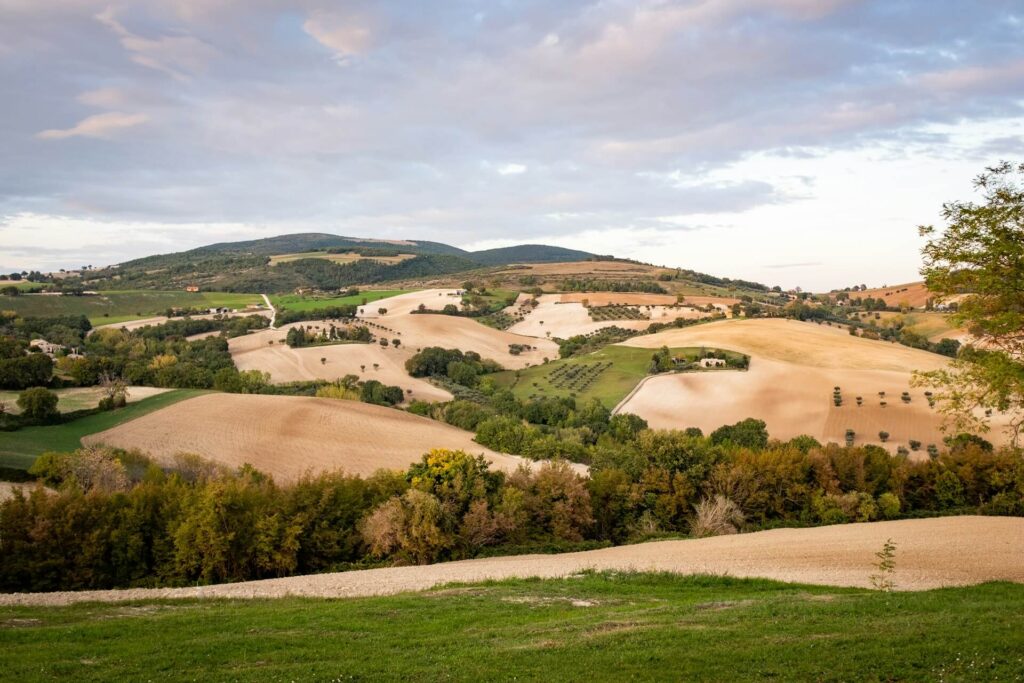
While exploring Central Italy, Marche stands out as a region that seamlessly blends tradition with innovation in winemaking. You’ll discover the crisp notes of Verdicchio and the aromatic allure of Pecorino, alongside bold Montepulciano reds. Each sip tells a story of ancient roots and modern flair, inviting you to pair these exquisite wines with local delicacies for a truly intimate experience. With nearly 18,000 hectares of vineyards, the region is a testament to its rich viticultural heritage.
Explore the Marche wine region.
Abruzzo
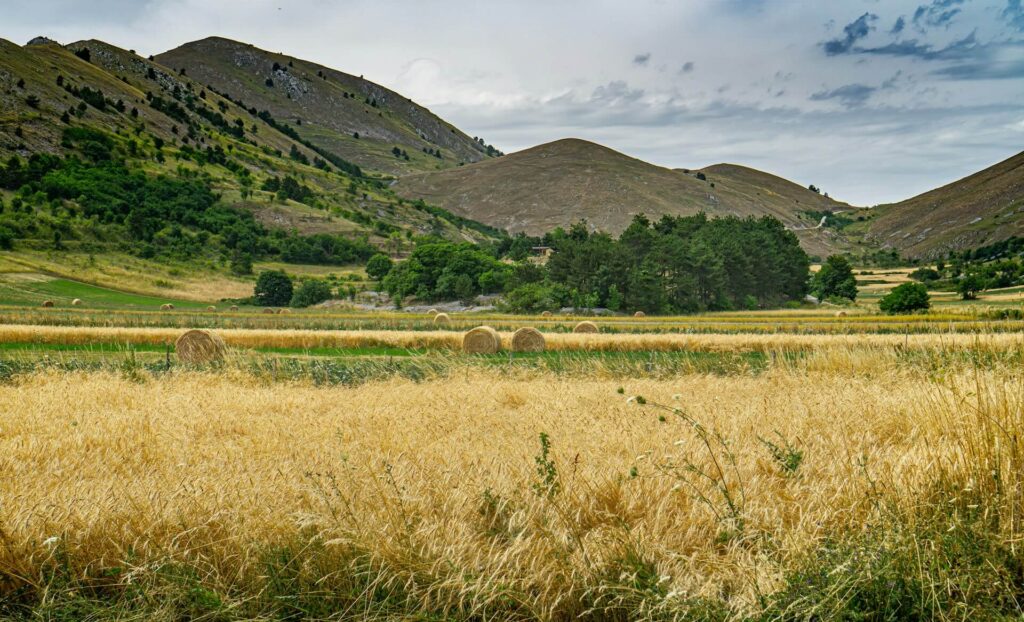
Nestled along the Adriatic coast, Abruzzo captivates wine lovers with its unique blend of ancient traditions and modern innovations. Here, you’ll find robust Montepulciano and invigorating Trebbiano, each sip revealing the region’s rugged landscape and maritime climate. With approximately 30,000 hectares of vineyards, explore local cooperatives and boutique estates, where passion meets craftsmanship, and discover wines that not only enchant the palate but also tell a rich story of place.
Explore the Abruzzo wine region.
Key Grape Varieties from central Italy
Central Italy boasts a rich tapestry of wine regions, each defined by its distinctive key grape varieties that contribute to the region’s unique character.
As you explore, consider these notable grapes:
- Sangiovese: The backbone of Tuscany and Umbria, offering bright acidity and luscious cherry notes.
- Sagrantino: Umbria’s bold signature red, known for its robust tannins and age-worthy qualities.
- Lambrusco: Several varieties for the most beloved fresh, fruity, sparkling wine of Emilia Romagna
- Verdicchio: This flagship white shines in Marche, often aged for complexity and depth.
These grapes not only define the wines but also encapsulate the essence of their regions, inviting you to savor their stories with each sip. Additionally, these regions are home to numerous native grape varieties, enhancing the diversity of Italian wine.
Common wines from central Italy
Exploring the wines of central Italy reveals a vibrant selection that reflects the unique terroirs of its major regions.
Each sip transports you to the sun-drenched hills and valleys where these exquisite wines are crafted.
- Chianti Classico – Sangiovese-based, this wine embodies the heart of Tuscany with its rich cherry and earthy notes.
- Brunello di Montalcino – A 100% Sangiovese marvel, offering deep flavors and remarkable aging potential.
- Verdicchio dei Castelli di Jesi – A white wine from Marche, celebrated for its crisp citrus and mineral qualities.
- Vino Nobile di Montepulciano – A harmonious blend of tradition and elegance, showcasing the region’s unique character.
Indulge in these wines, and you’ll discover the soul of Italy in every glass.
Southern Italy
Southern Italy boasts a rich tapestry of wine regions, each offering unique flavors and experiences that you won’t want to miss. From the bold Aglianico of Campania to the sun-soaked Negroamaro of Puglia, these areas showcase the diverse soils and climates and historical influences that shape their wines. As you explore regions like Basilicata and Calabria, you’ll discover compelling varieties that perfectly complement the region’s vibrant cuisine.
Molise
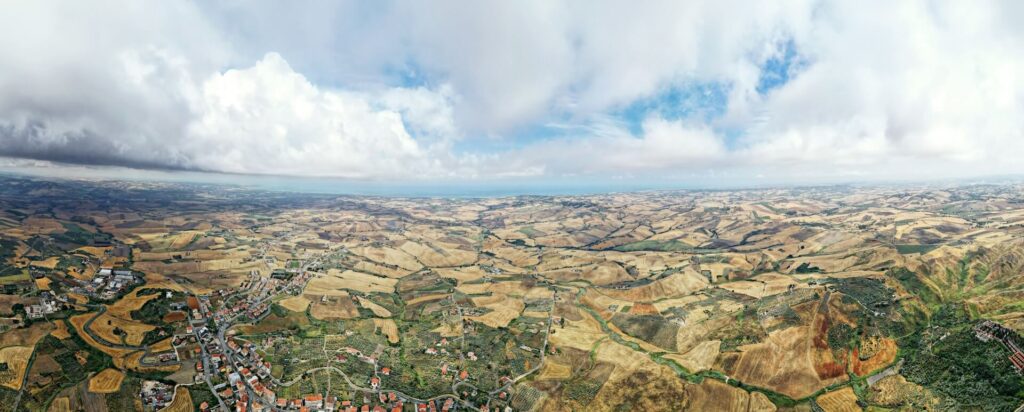
Nestled between Abruzzo and Puglia, Molise may be Italy’s smallest region, but its wine scene packs a robust punch.
With rich calcareous-clay soils and a Mediterranean climate, you’ll find delightful reds like Tintilia and Montepulciano. The region is dedicated to producing quality wines with a focus on enhancing the overall wine quality.
As you explore its hidden vineyards, savor the depth of these wines—perfect with rustic dishes like ragù.
Discover Molise’s unique charm; it’s a secret waiting to be revealed.
Explore the Molise wine region.
Campania
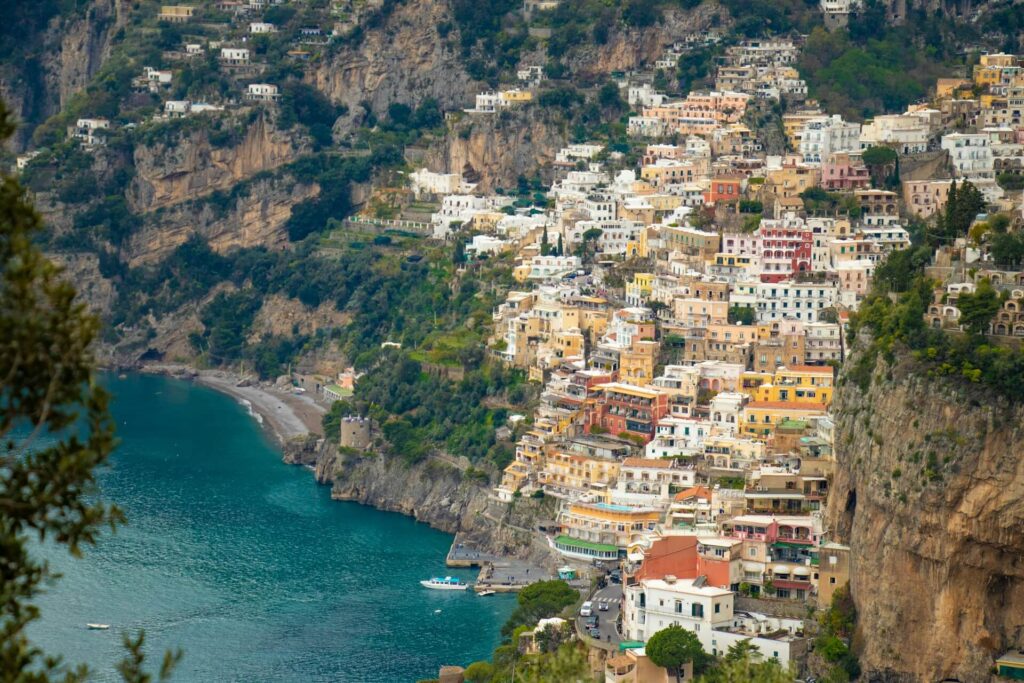
Campania beckons with its vibrant wine culture, where diverse terroirs meet centuries of tradition. Picture sipping a bold Taurasi, its dark fruit and leather notes wrapping around you like a warm embrace. Explore Fiano‘s aromatic whites, bursting with citrus, or indulge in volcanic Lacrima Christi, each sip a taste of history. In Campania, every glass tells a story worth savoring. The region is renowned for its wide variety of wine styles, showcasing both traditional and modern winemaking techniques that reflect its rich heritage.
Explore the Campania wine region.
Basilicata
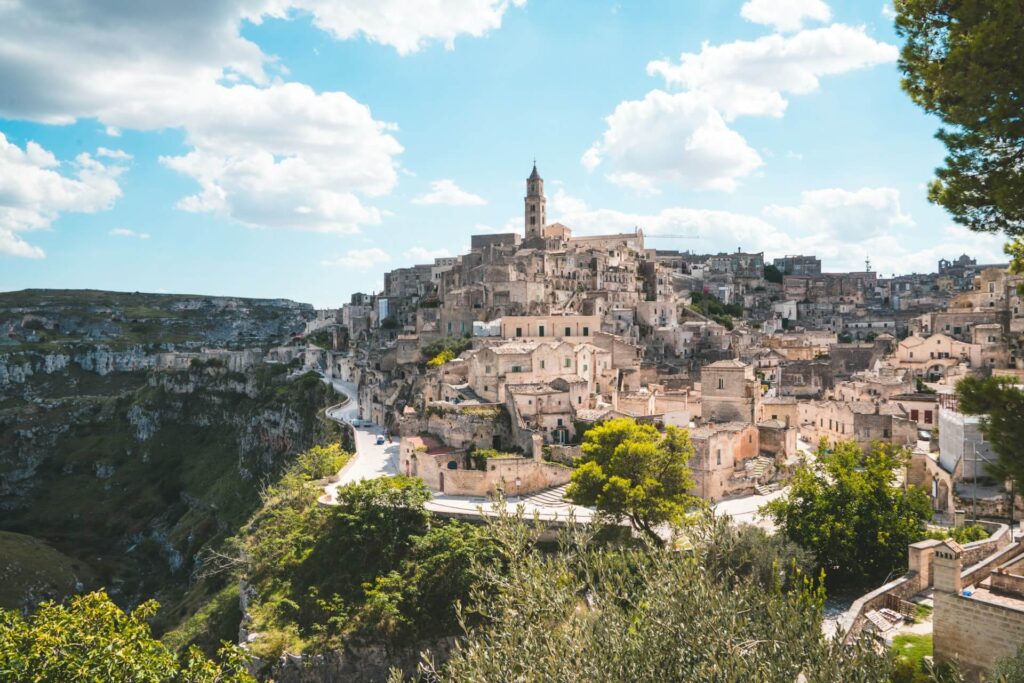
Basilicata, with its rugged landscapes and rich history, offers a wine experience that captivates the senses. Here, Aglianico reigns supreme, thriving at altitudes of 200 to 700 meters. With 86,000 hectoliters produced in 2022, this region’s wines blend tradition and terroir. Total vineyard size of 5,567 hectares contributes to the diverse wine offerings available. Explore the DOCG Aglianico del Vulture and savor the depth of flavors that reflect Basilicata’s unique character.
Explore the Basilicata wine region.
Puglia
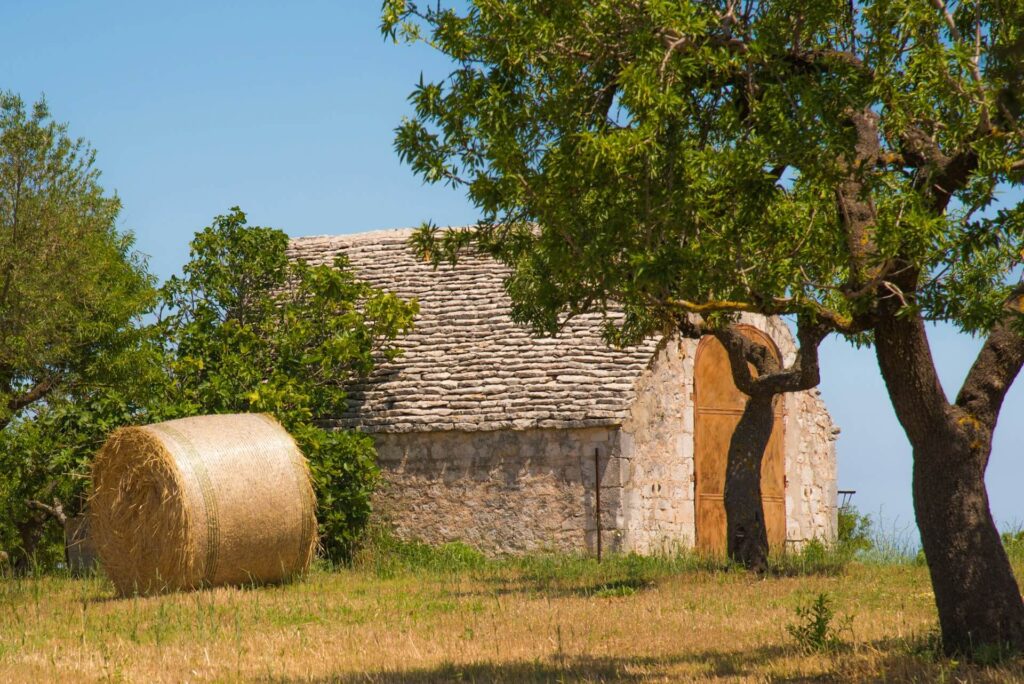
Puglia stands as a vibrant contrast to its neighboring regions, showcasing a wine culture that’s deeply rooted in tradition yet brimming with innovation. Here, robust Primitivo and tannic Negroamaro dominate, while rosé wines are gaining momentum. With a commitment to sustainability and unique terroir, you’ll discover wines that not only reflect the land but also invite you to savor every sip. Many local producers are now focusing on house recommendations to enhance the dining and tasting experience for visitors.
Explore the Puglia wine region.
Calabria
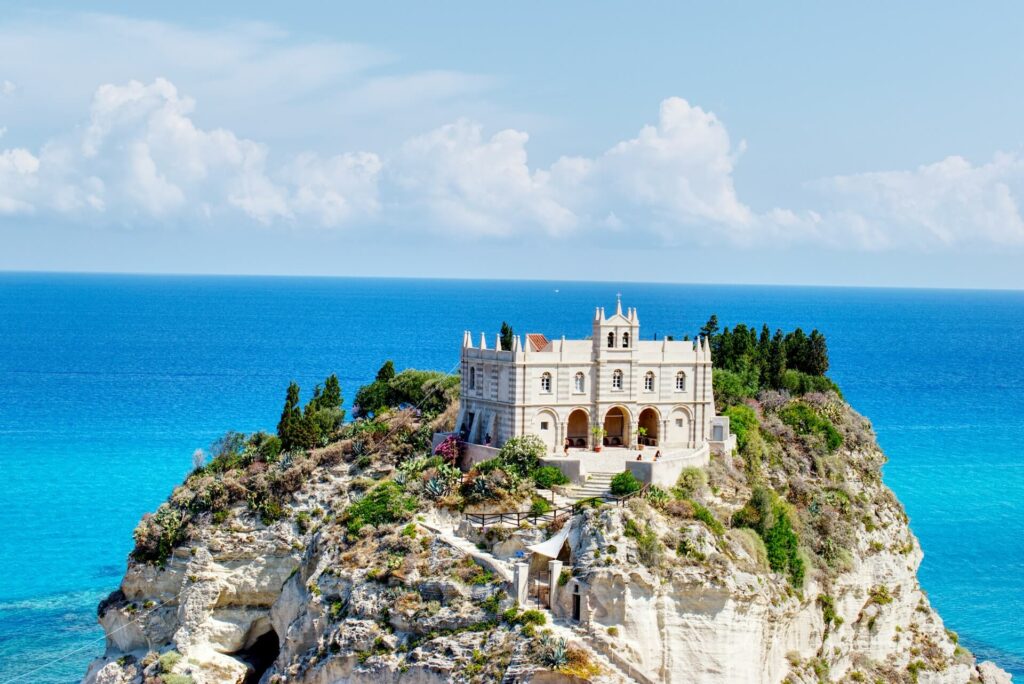
As you explore Calabria, you’ll find a region where tradition and modernity intertwine to create a unique wine landscape. The Gaglioppo grape shines in robust reds, while Greco Bianco offers sweet, straw-colored whites. With diverse terroirs and Mediterranean influences, each sip reveals the region’s character. Discover the passion behind its DOC wines, and let Calabria’s rich flavors enchant your palate. The region’s wine history dates back to the ancient Greeks, showcasing a legacy that continues to influence winemaking today.
Explore the Calabria wine region.
Key Grape Varieties from Southern Italy
Southern Italy boasts a rich tapestry of grape varieties that reflect its diverse terroirs and climates, making it a treasure trove for wine enthusiasts.
Here are some key grapes to discover:
- Aglianico: This full-bodied beauty offers black fruit and chocolate notes, ideal for aging. It is notably featured in Aglianico del Vulture, a key wine from Basilicata.
- Primitivo: Lush and fruit-forward, it reveals plum and spice, perfect for cozy dinners.
- Fiano: With mineral-driven flavors of lemon and almond, it thrives in volcanic soils.
- Nero d’Avola: Approachable yet full-bodied, it delights with black cherry and soft tannins.
Exploring these varieties not only deepens your appreciation of Southern Italy‘s wines but also invites you to savor the warmth and passion behind each bottle.
Cheers to your journey!
Common wines from Southern Italy
Four major wine regions in Southern Italy offer a fascinating array of wines that reflect the unique characteristics of their landscapes and climates.
Each region presents its own signature styles, enticing your palate with rich flavors and aromas.
- Campania: Discover Fiano di Avellino‘s pear and honey notes, and savor the full-bodied Aglianico del Taburno. This region is known for producing wines that often feature DOC quality assurance.
- Basilicata: Experience Aglianico del Vulture‘s intense ruby color and savory minerality.
- Puglia: Relish the bold Primitivo di Manduria and the spicy Negroamaro-based wines.
These wines, steeped in history and tradition, invite you to explore Southern Italy’s vibrant essence with every sip.
Island Wines
When you explore island wines, Sicily and Sardinia stand out with their rich vinous traditions and unique terroirs. Sicily, with its volcanic landscapes and diverse grape varieties, offers an enchanting array of wines, from the robust Nero d’Avola to the sweet Passito. Many organic growers thrive in this region due to its ideal conditions, contributing to the quality of its wine production. Meanwhile, Sardinia’s indigenous varietals like Vermentino and Cannonau reveal a soulful connection to the island’s rugged beauty, making these wines essential to your Italian wine journey.
Sicily
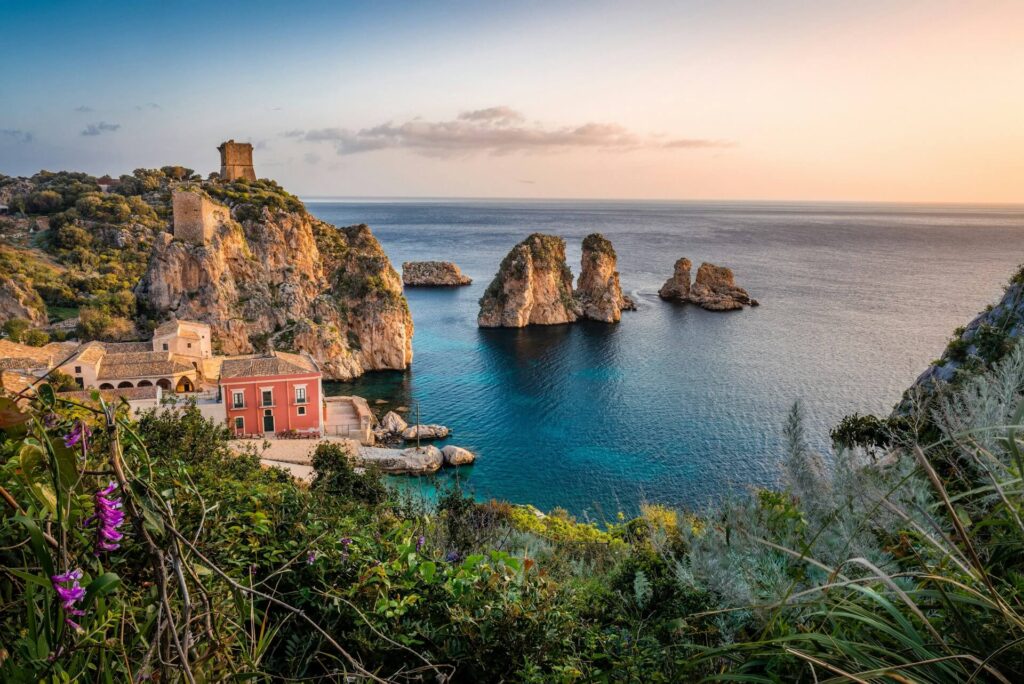
Sicily, with its sun-soaked landscapes and diverse terroirs, beckons wine enthusiasts to explore its unique offerings. From volcanic Etna DOC‘s minerality to the luscious Cerasuolo di Vittoria DOCG‘s rich blends, each sip reveals a story. Sicily boasts over 65 native grape varieties, whether you crave the boldness of Nero d’Avola or the crispness of Grillo, Sicily’s wines promise a journey that entices and lingers on your palate.
Explore the Sicily wine region.
Sardinia

Sardinia’s wine scene is a treasure trove waiting to be discovered, showcasing a diverse array of grape varieties and unique terroirs. Imagine sipping aromatic Vermentino di Gallura or indulging in the full-bodied richness of Cannonau. Each sip invites you deeper into the island’s soul, revealing mineral notes from granite soils and the warmth of Mediterranean summers. The region is known for its indigenous grape varieties, which add to the complexity and character of its wines. Explore Sardinia’s hidden gems and embrace its vibrant flavors.
Explore the Sardinia wine region.
Key Grape Varieties from Italian islands
The diverse landscapes of Italy’s islands yield a remarkable array of grape varieties that define their unique wine cultures. You’ll find that each grape brings its own story and character, enhancing your journey through Italian wines. Here are four key varieties to explore:
- Nerello Mascalese – Offers complex wines with tart red fruit and spice, especially from Etna DOC.
- Cannonau – A Sardinian gem akin to Grenache, known for its full-bodied richness and black stone fruit flavors.
- Vermentino – Light and floral, this grape shines in Sardinia’s Vermouth di Gallura DOCG, showcasing the importance of Italian white grape varieties in the region.
- Frappato – With its low tannins and vibrant strawberry notes, this ancient variety adds charm to Nero d’Avola in the Cerasuolo di Vittoria.
Embrace these grapes, and you’ll discover the soul of Italian island wines.
Common wines from Italian islands
Italy’s islands are a treasure trove of unique wines, each reflecting the distinctive terroir and rich traditions of their regions. From the sun-soaked shores to volcanic landscapes, the wines invite you to explore their charm. Isolation helps preserve local grape varieties, enhancing the quality and uniqueness of these wines.
Here are some must-try selections:
- Passito di Pantelleria: Sweet and luscious, perfect with sun-dried tomatoes.
- Malvasia from Lipari: Aromatic and light, an ideal companion for seafood.
- Vermentino from Elba: Crisp and herbaceous, capturing coastal freshness.
- Biancolella from Ischia: Mineral-driven reds, beautifully paired with lamb dishes.
These wines reveal the islands’ heritage, inviting you to savor each sip as you connect with their storied past.
Embrace this journey, and let the flavors transport you.
Italian Wine Classification System
When exploring Italian wines, you’ll encounter a structured classification system that guides your choices, from the highest quality DOCG to the more flexible VdT. Each tier—DOC, IGT, and VdT—offers distinct characteristics and quality assurances, helping you navigate Italy’s rich winemaking heritage. Understanding these classifications not only enhances your appreciation but also guarantees you select wines that truly reflect their origin and craftsmanship. This classification system, inspired by French Appellation d’Origine Controlee (AOC), ensures that winemakers adhere to strict regulations that protect both their heritage and the quality of the wines produced.
DOCG (Denominazione di Origine Controllata e Garantita)
DOCG (controlled and guaranteed designation of origin) wines must undergo a set of rules of which the most important are: territory and grape varietals. These wines can be produced only in a limited territory and by using specific types of grapes, with a low yield per hectar. They express historical roots and territorial identity and are submit to very severe controls
DOC (Denominazione di Origine Controllata)
DOC (controlled designation of origin) wines have territorial borders as the DOCG but with less limits regarding blendings,ageing and quantity.
IGT (Indicazione Geografica Tipica)
IGT (indication of geographical typicality) wines are, in the Italian classification, wines with a lower level of rules and controls.
This is a very wide category where you can find many different types of wines both red and
whites.
Vino da Tavola (Table Wine)
Vino da Tavola, or table wine, represents the foundation of Italian wine culture, embodying a philosophy of accessibility and everyday enjoyment.
Introduced in 1963 as part of Italy’s appellation system, this category initially aimed to celebrate the convenience of wine for all occasions.
Today, you might find it labeled as Vino d’Italia, reflecting its evolution while retaining its core purpose.