Abruzzo Wine Region: Complete Guide
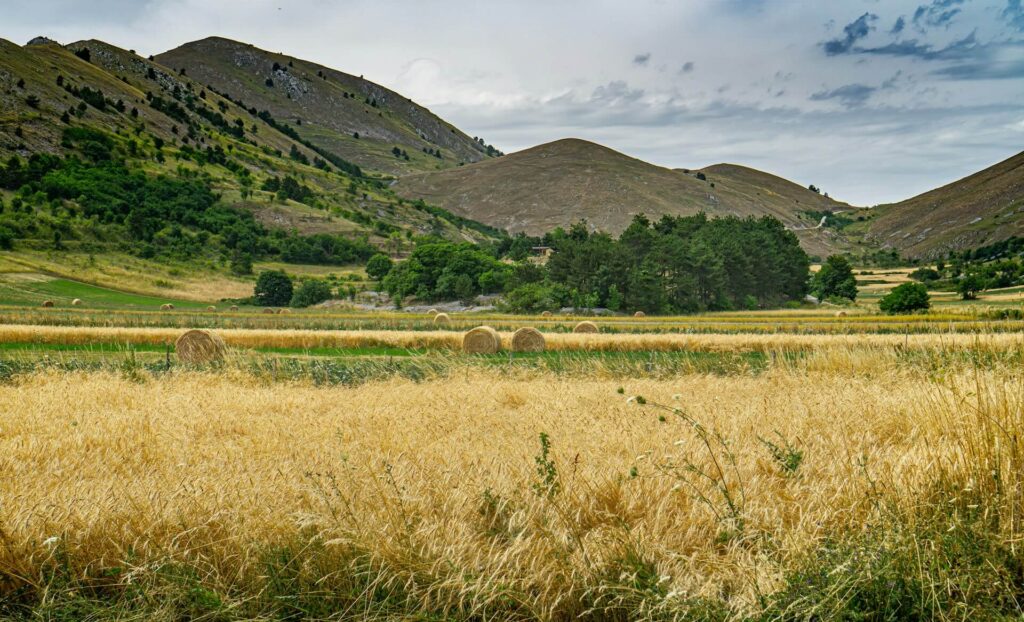
Located in central Italy, Abruzzo features a remarkable combination of rugged landscapes and a Mediterranean climate, making it a hidden gem for wine enthusiasts. With 65% of its land covered by the majestic Apennine Mountains and the stunning Gran Sasso peak, the region offers diverse terroirs that support a variety of grape types. Hot summers and cold winters create ideal conditions for producing exceptional wines.
As the seventh-largest wine-producing region in Italy, Abruzzo generates over 22 million cases annually, with Chieti at the forefront. While many wines are sold as bulk or blended, an increasing number of boutique wineries are emerging, focusing on quality and sustainability. You’ll find a delightful selection of native varieties like Montepulciano and Trebbiano, showcasing the region’s rich history and contemporary trends. Montepulciano d’Abruzzo is one of the most widely exported DOC wines from Italy, making it a standout choice for wine lovers. It’s a place where tradition coexists with modernity, inviting you to sip and savor every moment.
Explore our Italian Wine Guide.
Signature Wines of the Region
When exploring Abruzzo’s signature wines, you’ll encounter the bold Montepulciano d’Abruzzo and the crisp Trebbiano d’Abruzzo. Montepulciano, with its deep cherry hue and spicy notes, perfectly complements hearty dishes, while Trebbiano offers an invigorating contrast. Each wine reflects the region’s rich heritage and vibrant flavors, inviting you to savor every sip. The wines offer excellent quality and value, making them a delightful choice for any wine enthusiast.
Notable Wines
Abruzzo boasts three signature wines that perfectly capture the essence of its rich viticultural heritage. Each wine tells a unique story of the land and its traditions, inviting you to savor the flavors of this beautiful region.
- Montepulciano d’Abruzzo: This renowned red wine, rich in spice and red fruit notes, reflects the region’s bold character. The selection includes various price points, making it accessible to wine lovers with different budgets.
- Trebbiano d’Abruzzo: A bright, floral white wine, often enjoyed young, yet capable of aging gracefully.
- Cerasuolo d’Abruzzo: A delightful rosé crafted from Montepulciano grapes, bursting with red fruit flavors, perfect for food pairing.
- Pecorino: An indigenous white that surprises with its vibrant acidity and distinct minerality.
Immerse yourself in these wines; they’re more than beverages; they represent a taste of Abruzzo’s soul.
Hidden Wine Treasures of the Region
As you explore Abruzzo’s wine scene, you’ll encounter hidden gems that often go unnoticed. From the vibrant Cerasuolo d’Abruzzo DOC to the rare and aromatic Pecorino, each bottle reveals the region’s unique character. Don’t miss the chance to taste biodynamic Trebbiano or the elusive vintages from celebrated producers like Valentini; these treasures await your palate. With a production of only 50,000 bottles annually, Valentini’s wines are a true testament to the region’s commitment to quality and exclusivity.
Notable Wines
Uncovering the hidden wine treasures of Abruzzo is akin to finding a trove of gems waiting to be savored. You’ll experience exquisite flavors and unique moments that invite you to explore further.
Here are four examples that capture the essence of this remarkable region:
- Cococciola: Enjoy its crisp, floral whites that evoke high-altitude vineyards.
- Montepulciano d’Abruzzo Colline Teramane: The pinnacle DOCG, showcasing clay-rich terroir and rich character.
- Cerasuolo d’Abruzzo: A rosé gem, often bursting with vibrant strawberry and raspberry notes.
- Pecorino Sparkling Wines: With a long history of winemaking traditions, these hidden gems invite you to indulge in the rich heritage of Abruzzo’s winemaking.
Geography, Terroir, and Climate
Situated in central Italy, the Abruzzo region features a varied landscape shaped by its distinctive geography, terroir, and climate. It borders the Adriatic Sea and is bordered by the impressive Apennine Mountains, which include gentle hills and towering peaks like Gran Sasso and Maiella. With 32,000 hectares dedicated to vines, the region presents a combination of clayey, calcareous, and sandy soils, ideal for indigenous grape varieties.
The Mediterranean climate produces hot summers and mild winters, with the Adriatic playing a role in moderating temperatures. This variation in day and night temperatures contributes to grape quality, while mountain breezes offer relief during the warmer months. In coastal areas, sandy soils favor crisp whites such as Trebbiano, while the inland clay-limestone nurtures hearty Montepulciano reds. Additionally, the region’s diverse soil composition supports a range of grape varieties, each expressing a unique facet of Abruzzo’s character. The pergola vine training system flourishes in this diverse terroir, creating a striking balance between nature and viticulture that characterizes Abruzzo’s captivating wine landscape.
History
Tracing the rich history of Abruzzo’s winemaking reveals a legacy that dates back to the Etruscans in the 6th century BC, who first introduced viticulture to the region. By the 4th century BC, sweet Moscato-style grapes like Apianae were being grown, and even Hannibal’s soldiers enjoyed Teramo wine during their Alpine campaigns.
Fast forward to the medieval period, where Benedictine monks preserved and documented winemaking techniques, while feudal lords promoted vineyards, solidifying Abruzzo’s reputation. With the Renaissance, the Montepulciano grape emerged as a signature variety, leading to advancements in the 18th century that highlighted aging potential. Despite setbacks like the phylloxera crisis, which devastated vineyards, Abruzzo’s winemakers rebounded, blending tradition with modern practices. By the mid-20th century, a focus on quality production took hold, paving the way for artisan producers and co-operative wineries, all while maintaining the region’s rich winemaking heritage.
Important wine-growing areas
When exploring Abruzzo’s wine regions, you’ll encounter four key provinces: L’Aquila, Teramo, Pescara, and Chieti, each adding distinct qualities to the wines of the area. Chieti, known for its expansive vineyards and favorable climate, is notable for both red and white varietals, while Teramo’s fertile soils enhance the quality of Montepulciano d’Abruzzo. Additionally, the region is renowned for its four region-level denominations, which contribute to the diversity and complexity of Abruzzo’s wine offerings.
Pescara and L’Aquila present a mix of coastal and high-altitude influences, highlighting the varied flavors that make Abruzzo a paradise for wine enthusiasts.
L’Aquila
L’Aquila stands out as a remarkable wine-growing area in the Abruzzo region, where breathtaking mountainous landscapes meet a rich viticultural heritage. Situated among the Apennine Mountains, the province’s high-altitude vineyards thrive in unique microclimates, creating ideal conditions for grapes like Montepulciano and Cococciola. The region utilizes government-mandated vine-training systems to enhance production capabilities, ensuring the quality and consistency of its wines.
You’ll be captivated by the robust Cerasuolo d’Abruzzo, a rosé that features deep cherry hues and complex flavors. The rocky, sandy soils impart salinity and freshness, while the daily temperature variations contribute to grape ripening. As you explore this cultural hub, you’ll encounter ancient winemaking traditions that blend seamlessly with the natural beauty of Gran Sasso National Park, inviting you to sip, savor, and soak in the experience.
Teramo
Teramo presents a rich tapestry of winemaking heritage, where the interplay of geography and climate creates exceptional vineyards. In the northernmost province of Abruzzo lies the Colline Teramane DOCG zone, blessed by the refreshing influence of the Adriatic Sea. The foothills of Gran Sasso and Monti della Laga provide a stunning backdrop, while mountain breezes moderate temperatures, allowing grapes to develop beautifully. As you explore the area, you’ll find a history steeped in ancient viticulture, dating back to Roman times. The echoes of Hannibal’s troops, who once enjoyed local wines in Controguerra, linger in the air. Today, Teramo shines brightly, particularly for its celebrated Montepulciano, inviting you to savor its rich legacy in every glass. This region is known for producing Montepulciano d’Abruzzo, which accounts for 80% of the region’s DOC wine production.
Pescara
Pescara, a lively center of winemaking in Abruzzo, features a variety of terroirs that contribute to its outstanding wines. The proximity to the Adriatic Sea creates a distinctive microclimate, while the combination of clay, sand, and limestone soils ensures balanced acidity.
Here, you’ll find indigenous grape varieties such as Pecorino, celebrated for its crispness and vibrant acidity, and Montepulciano, which adds structure to the reds. As you enjoy these wines, you’ll experience the essence of Pescara‘s landscapes, where tradition meets modern techniques, reflecting a deep respect for the land and its natural health.
Chieti
Chieti stands out as one of Abruzzo’s most important wine-growing areas, where diverse terroirs and a rich history converge to produce remarkable wines. Located between the warm Adriatic coast and the majestic Apennines, Chieti enjoys a unique climate that nurtures its vineyards. Here, you’ll find a mix of volcanic, marly-clay, and limestone soils, ideal for cultivating Montepulciano d’Abruzzo and Sangiovese reds, alongside vibrant whites like Pecorino and Trebbiano. Chieti produces about 75% of Abruzzo’s wine, boasting the esteemed DOCG status since 1887, and its geographical diversity contributes to a rich agricultural heritage. Savor the flavors of Chieti, and let them enchant your palate.
Main Grape Varieties
In Abruzzo, a variety of grape types contribute to the region’s wine scene. Montepulciano stands out as a strong red, showcasing bold flavors and significant aging potential. Alongside it, Trebbiano d’Abruzzo serves as the primary white varietal, offering crisp, refreshing notes that pair well with the reds. Abruzzo is known for producing more than 22 million cases of wine annually, making it the seventh most productive region in Italy.
Chardonnay
When exploring Abruzzo wines, Chardonnay stands out as a unique gem, despite its minor role compared to the region’s dominant varietals like Montepulciano and Trebbiano.
The coastal climate, influenced by the Adriatic Sea, provides balanced sunshine and moderate acidity, ideal for an invigorating sip. You’ll encounter expressive aromas of ripe mango, banana, and yellow melon, with a palate that dances with zippy acidity and herbal undertones. This medium-bodied wine offers a lovely layered texture, finishing with notes of citrus and stone, inviting you to savor every drop.
Cococciola
Cococciola, a white grape variety native to Abruzzo, is gaining recognition for its unique character and invigorating acidity. With high acidity and a grassy nose, Cococciola delivers a discreet yet persistent aroma that invites exploration. Primarily cultivated in the Chieti province, this grape thrives in the heart of Abruzzo, often blending seamlessly with Trebbiano d’Abruzzo in DOC wines. You’ll find modern expressions showcasing distinct minerality, lively acidity, and delightful flavors of apricot and floral notes. Cococciola is well-suited for the climate conditions in Abruzzo, which contributes to its appealing profile. Perfect as an aperitif, Cococciola pairs beautifully with seafood salads and raw fish dishes, balancing the region’s hearty cuisine with its revitalizing zest. This grape variety is a true gem waiting for your palate.
Montepulciano
Building on the exploration of Abruzzo’s unique grape varieties, Montepulciano stands out as a hallmark of the region’s winemaking heritage. This thick-skinned red grape thrives in the sunny climates of central and southern Italy, making up over 80% of Abruzzo’s DOC wines. Known for its bold flavors of boysenberry, black cherry, and plum, Montepulciano offers a delightful balance of acidity and medium to full body. The mountainous terrain and sunlight of the Abruzzo region contribute to the growth of its plump grapes.
You’ll find it in styles ranging from the approachable Montepulciano d’Abruzzo DOC to complex oak-aged versions, which reveal hints of chocolate and leather. Perfect with savory dishes like pizza and lamb, this versatile grape invites you into a world of rich, flavorful experiences that are both familiar and exciting.
Passerina
Passerina frequently surprises wine enthusiasts with its vibrant character and versatility. This ancient grape, native to Marche and Abruzzo, gets its name from the sparrows that adore its sweet berries. Once confused with Trebbiano, it has recently gained recognition for its distinct varietal wines, earning DOCG status for Offida Passerina in 2011. The high yield and profitability of Passerina have led farmers to rely on it for their financial stability.
With thick-skinned, yellow-gold berries, it boasts high sugar and acidity, thriving in Mediterranean climates. You’ll be enchanted by its floral aromas and flavors of stone fruits, honey, and delicate herbal notes. Whether you choose a crisp still wine, an invigorating sparkling version, or a luscious Passito, Passerina pairs beautifully with seafood, risotto, and light dishes, making it a delightful companion for your culinary adventures.
Pecorino
Pecorino captivates wine lovers with its intriguing history and vibrant expression. Named after the sheep (pecora) that once grazed near its vineyards, this ancient grape nearly faced extinction due to low yields. Thankfully, the 1980s saw a revival, as dedicated growers saved cuttings from old vines. Thriving in Abruzzo’s high-altitude, clay-sandy soils, Pecorino benefits from a unique microclimate shaped by the Adriatic Sea. Its wines burst with crisp acidity and flavors of citrus, floral notes, and a hint of minerality. Handpicked in September, these wines showcase a delightful texture, ranging from light-bodied to round and tropical. The vineyards are located in Roseto degli Abruzzi, overlooking the majestic Grand Sasso mountain, which adds to the wine’s elegance. Perfect with briny fish or herbaceous dishes, Pecorino invites you to savor its rich heritage and modern charm.
Trebbiano
Trebbiano, a cornerstone of Abruzzo’s winemaking tradition, offers a captivating glimpse into its rich history and diverse flavor profile. This grape, cultivated since the ancient times, is integral to the region’s identity, thriving in unique terroirs from coastal to inland areas.
Its pale straw color is appealing, with aromas of lemon, green apple, and white blossoms inviting you to take a sip. The crisp acidity reveals flavors of white peach and almond, finishing with a mineral-driven salinity.
Trebbiano pairs beautifully with local dishes like Treccia cheese and Al Cartoccio baked pasta, enriching your culinary experience. With stringent DOC rules ensuring quality, each bottle captures the essence of Abruzzo’s vibrant landscapes and traditions.
Overview on appellations system
In Abruzzo, the appellation system is crafted to highlight the region’s diverse terroirs and grape varieties, ensuring quality and authenticity in its wines. Four core DOC designations stand out: Abruzzo, Cerasuolo d’Abruzzo, Montepulciano d’Abruzzo, and Trebbiano d’Abruzzo. Since 2010, subzones such as Colline Pescara and Terre di Chieti have emerged, emphasizing unique local characteristics.
The system supports varietal labeling, allowing wines to represent the richness of indigenous grapes like Cococciola and Passerina. With Superiore and Riserva tiers demanding higher alcohol levels and aging, there’s a commitment to excellence. Particularly, the Colline Teramane DOCG requires 90% Montepulciano, ensuring strict quality control.
As you explore, the blend of traditional and international varieties makes each bottle a reflection of the land, resonating with the essence of Abruzzo’s winemaking heritage. So, raise a glass and savor the authenticity of this enchanting region.
3 Wine Destinations for a Perfect One-Day Trip
Abruzzo is known for its mountainous landscapes and its untouched coastal areas, offering an array of vineyards that beautifully showcase the region’s countryside. Each stop provides a unique taste of Abruzzo’s rich culture and flavors, ensuring that your one-day trip will be truly unforgettable.
The Northern coastal area and the Montepulciano d’Abruzzo
From Giulianova on the coastal area to the inner hills in the northernmost part of Abruzzo, between the Adriatic Sea and the Gran Sasso, vineyards prosper in the perfect microclimate, producing exceptional quality grapes. Often cultivated with the traditional pergola system, very old grape varieties such as Trebbiano and Montepulciano have found a unique microclimate here, giving Montepulciano d’Abruzzo its distinct and characteristic qualities.
The inner mountains and the Cerasuolo d’Abruzzo
Driving through the center of Abruzzo, you’ll be amazed by landscapes and magnificent views, with charming villages like Navelli and the medieval hamlet of Castel del Monte within the Majella National Park. Each village invites you to immerse yourself in the local culture, enjoy amazing views, and delicious regional specialties.
A unique wine from this region is Cerasuolo d’Abruzzo, which is experiencing an incredible renaissance. The short contact time between the must and the skins of the red grapes results in light, lively wines with low tannins. The wine boasts a delicate cherry-like pigmentation (hence the name Cerasuolo), with a fresh, aromatic profile and a wonderfully persistent finish on the palate.
Pecorino and Passerina: White wines along the southern coast
Between Francavilla and Vasto, where ancient architecture meets stunning Adriatic views along the Costa dei Trabocchi, vineyards overlook the sea, offering the perfect backdrop for a refreshing wine tasting experience. Visit organic vineyards with panoramic vistas of the Adriatic Sea and indulge in delightful tastings that immerse you in the region’s rich wine heritage. Here, ancient grape clones are often still cultivated using the traditional “pergola abruzzese” system, ensuring an authentic connection to the land’s centuries-old viticultural practices.
3 Traditional Dishes You Must Try
When you visit Abruzzo, you can’t miss trying some of its traditional dishes that truly capture the region’s essence. Savor the smoky goodness of arrosticini, grilled lamb skewers that are a festival favorite. Indulge in the rich flavors of maccheroni alla chitarra, a unique square-cut pasta. Don’t forget to experience pecora alla callara, a tender lamb dish infused with mountain herbs, making for a perfect pairing with your wine. The region’s culinary delights are often enhanced by the use of DOP-quality olive oil, a fundamental ingredient in Abruzzese cuisine.
Arrosticini: Grilled Lamb Skewers
Arrosticini, the cherished grilled lamb skewers from Abruzzo, invite you to enjoy a taste of tradition honed through generations. These tender pieces, usually made from sheep, are cut into uniform cubes and grilled over a special fornacella. As the fat drips onto the charcoal, it adds a smoky richness that’s simply irresistible. The dish, fundamentally associated with meat, represents an integral part of Abruzzese culture and is often discussed among locals.
Best enjoyed during summer barbecues, arrosticini capture the spirit of togetherness, often shared among friends and family. Traditionally served with a drizzle of olive oil and crusty bread, they pair wonderfully with local wines like Montepulciano d’Abruzzo. Don’t miss this iconic dish that embodies the heart and soul of Abruzzo’s culinary heritage.
Maccheroni Alla Chitarra
Maccheroni alla chitarra is a celebrated dish that captures the essence of Abruzzo’s culinary tradition. This handmade pasta, rolled and cut using a guitar-like tool, boasts a chewy texture from a blend of semolina and all-purpose flour. Traditionally enjoyed on Sundays, it symbolizes community and family gatherings. The dough, infused with local saffron, pairs beautifully with a rich Abruzzese ragù made from pork, beef, and lamb, simmered to perfection. The finishing touch of pecorino cheese and a sprinkle of dried red chiles adds a delightful kick. Additionally, the noodles have a square section that allows them to hold onto sauces effectively. Savor it alongside a glass of Montepulciano d’Abruzzo wine, and you’ll truly experience the heart of this region.
Pecora Alla Cottora
Pecora alla cottora is a must-try dish that embodies the heart and soul of Abruzzo’s culinary heritage. This slow-cooked lamb, traditionally prepared by shepherds during transumanza, transforms humble ingredients into a feast.
Imagine tender, fall-off-the-bone meat infused with aromatic herbs like thyme, rosemary, and bay leaves, simmered in a copper cauldron over an open fire. The rich flavors meld beautifully with onions, garlic, and tomatoes, creating a warm, comforting embrace. The dish, also known as Pecora alla Callara, reflects the historical practices of shepherds in the region.
Once a dish of necessity, it now shines in regional festivals, celebrating Abruzzo’s pastoral roots. Whether enjoyed at a cozy agriturismo or a lively local gathering, pecora alla cottora connects you to the rich traditions and resilience of this enchanting region. Don’t miss it.