Molise Wine Region: Complete Guide
Between the rugged Apennines and the azure Adriatic lies Molise, Italy’s second-smallest wine region with considerable viticultural importance. Often less recognized than its notable neighbors, this secluded area contains a winemaking heritage dating to pre-Roman Samnites.
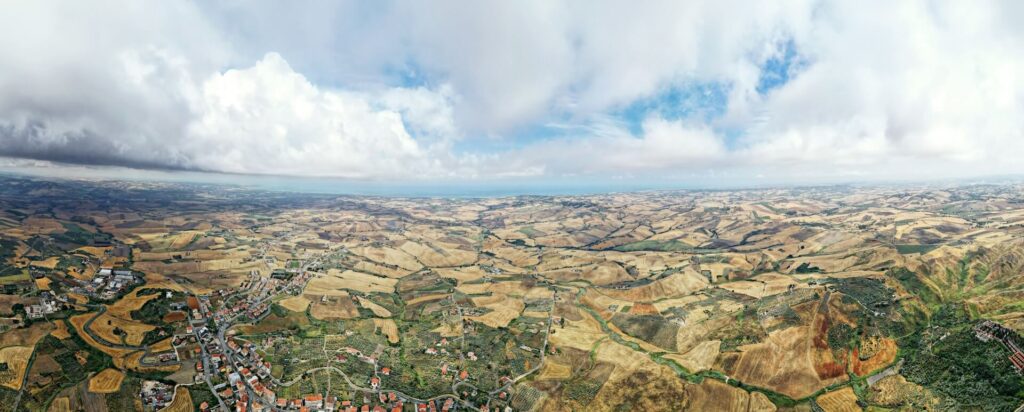
This region presents an interesting mix of terroir, where coastal Mediterranean conditions transition to continental influences inland. The regional geography—58% mountainous, 42% hilly—creates various microclimates and soils ranging from sandy to calcareous. Vineyards are strategically situated on hilly terrains reaching elevations up to 600 meters above sea level.
Molise’s four DOCs (Biferno, Pentro, Molise, and Tintilia del Molise) and two IGTs (Osco and Rotae) highlight both native treasures and international varieties. Tintilia, the region’s characteristic grape, represents Molise’s viticultural renewal.
Within this varied geographical setting, traditional methods blend with modern approaches, resulting in wines with distinctive character that reflect Molise’s unique position amid Italian winemaking traditions.
Explore our Italian Wine Guide.
Signature Wines of the Region
Molise’s viticultural landscape features notable wines such as the indigenous Tintilia del Molise, known for its deep ruby color and complex red fruit notes.
The region’s DOC designations—Biferno, Pentro di Isernia, and Molise—offer various expressions from full-bodied reds to floral whites made from Montepulciano, Aglianico, and Falanghina grapes. These wines represent Molise’s Mediterranean terroir, with vineyards located on limestone-rich hillsides that give distinctive character to all regional wines, including table varieties. The winemaking tradition in this area has ancient Roman roots, with historical records showing that Plinio celebrated the quality of Isernia’s wine products.
Notable Wines
Molise produces several distinctive wines that represent this underrated region’s viticultural identity. When tasting Molise’s wines, you’ll find expressions that showcase the region’s terroir and indigenous varieties.
- Biferno Rosso DOC – A combination of Montepulciano and Aglianico, creating full wines with earthiness and good aging potential.
- Tintilia del Molise DOC – The region’s characteristic indigenous varietal, giving deeply colored wines with spice notes and red fruit complexity.
- Pentro di Isernia Rosso DOC – Full-bodied Montepulciano-based wines from Isernia’s hills, showing structural integrity and dark fruit character. The Pentro DOC is among the lesser-known appellations that showcase Molise’s winemaking traditions.
- Molise Falanghina DOC – Delicate white wines with floral aromas and citrus undertones.
- Biferno Bianco DOC – Crisp, fresh blends of Trebbiano and Bombino Bianco reflecting Adriatic influences.
Hidden Wine Treasures of the Region
Molise’s viticultural landscape holds exceptional bottles still relatively unknown outside the region. These include limited-production Tintilia del Molise DOC wines, rare Biferno Rosso Riserva expressions, and artisanal white wines made from indigenous Fiano grapes.
The varied topography produces wines with remarkable character, often priced below their true quality and aging potential. The region’s distinctive positioning between the Adriatic coast and Apennines creates ideal microclimates for viticulture that yield wines of extraordinary complexity.
Geography, Terroir, and Climate
Molise extends from the Apennine Mountains to the Adriatic Sea, forming one of Italy’s most diverse yet underappreciated wine regions. The area features dramatic changes in elevation from coastal plains to mountains exceeding 2,000 meters, which affects both climate and grape growing.
The calcareous soils give a notable minerality to the local wines, with excellent drainage supporting vine health. The Mediterranean climate offers ideal conditions for native grape varieties like Tintilia and Montepulciano, while day-night temperature differences help develop complex flavors. The region’s significant diurnal range contributes to excellent acid preservation in the grapes while allowing full ripening.
The Matese and Mainarde ranges capture sunlight on their hillsides, and the Adriatic Sea moderates temperatures near Termoli. Each wine area—Biferno, Pentro di Isernia, and Tintilia del Molise—shows this interaction of natural elements, producing wines that express Molise’s varied growing environment.
History
From ancient Samnite settlements to modern regional autonomy, wine production in Molise spans over 2,500 years. Archaeological evidence on vases and coins shows the Samnites’ connection to viticulture, later improved by Roman technical advances and market demand. During Roman times, wine was primarily consumed locally but gradually became central to the regional economy.
The post-war period brought significant challenges—damaged vineyards and population outmigration—yet recent decades have brought renewal. When Molise separated from Abruzzo in 1963, it gained the ability to establish its own wine denominations. This independence led to the creation of four DOCs, including Biferno and Tintilia del Molise, alongside two IGPs.
Currently, indigenous grape varieties thrive as modern technology replaces traditional farming practices. Despite its small size, Molise’s 2022 production exceeded 513,000 hectoliters, indicating the region’s growing importance in Italy’s wine landscape. The region benefits from a diverse terroir with calcareous and clay soils particularly suited for quality wine grape cultivation.
Important wine-growing areas
Molise’s wine territory includes three recognized appellations: Molise, covering the entire region with diverse terroirs; Pentro d’Isernia, with mountainous vineyards reaching 600 meters in elevation; and Biferno, located along its namesake valley featuring calcareous and clayey soils.
Montepulciano is the dominant grape variety, accounting for 51% of plantings across these zones, while the indigenous Tintilia gains recognition for its distinctive character and aging potential. Vineyards are predominantly located in the Trigno and Biferno valleys, offering ideal growing conditions. These appellations show the region’s capacity to produce wines reflecting both Mediterranean influence and continental characteristics, despite Molise’s small geographical area.
Molise
Located in Italy’s eastern region, Molise DOC appellations mark specific wine-growing areas that highlight the region’s quality viticulture. Established in 1998, the Molise DOC area includes red, white, rosé, and sparkling wines that reflect the area’s unique terroir.
Various authorized grapes exist across these appellations, including Montepulciano, Sangiovese, Tintilia, Falnghina, Graco, alongside international varieties such as Cabernet Sauvignon and Chardonnay. These wines show notable acidity, balanced tannins, and bright fruit characteristics—qualities resulting from Molise’s Mediterranean climate and calcium-rich soils.
Tintilia del Molise
Tintilia del Molise is a distinctive and ancient Italian wine variety native to the Molise wine region in southern Italy. Nestled between the Apennine Mountains and the Adriatic Sea, this wine-growing area boasts a unique microclimate and fertile soils, ideal for producing high-quality red wines. Tintilia, the flagship grape variety of Molise, is renowned for its deep ruby-red color, rich aromas of red berries and spices, and a well-balanced structure with smooth tannins. Nearly forgotten for decades, Tintilia wine has experienced a revival, thanks to dedicated local winemakers preserving Molise’s viticultural heritage. Today, Tintilia del Molise DOC is celebrated for its authenticity, unique terroir, and artisanal production, making it a must-try for lovers of Italian red wines.
Pentro d’Isernia
The Pentro d’Isernia DOC stands as one of Molise’s most distinctive wine-growing territories, established in 1983 in the western portion of this small Italian region. With only 74 hectares under cultivation, this appellation yields an extremely limited production—just 78 cases in 2022.
The region’s wines come from a mix of indigenous and classic varieties. Reds combine Montepulciano and Sangiovese, while whites have changed from traditional Trebbiano-Bombino combinations to Falanghina-dominant expressions. The calcareous-clay soils and Mediterranean climate at heights reaching 600 meters contribute to wines with remarkable balance. The area has been recognized for its winemaking potential since ancient times when Samnites and Romans cultivated vines in this territory.
Biferno
Eastward across Molise’s varied landscape lies Biferno, the second cornerstone of the region’s small but important wine culture. Made official as a DOC in 1983 alongside Pentro di Isernia, Biferno covers about 48 hectares, with vineyards extending from high plains toward the Adriatic.
Biferno’s offerings present Trebbiano Toscano (70-80%) in its Bianco wines, while Montepulciano forms the base of both Rosato and Rosso versions, supported by Aglianico. These wines—less acidic and fuller than others in the region—range from fresh Biancos to complex Riservas that require three years of aging. The region’s distinctive characteristics are heavily influenced by the Adriatic Sea proximity.
With yearly output of approximately 32,800 cases, Biferno remains a small-scale find for wine enthusiasts interested in authentic Italian expressions outside popular wine regions.
Main Grape Varieties
Molise’s viticultural identity is shaped mainly by Montepulciano, which makes up over half of the region’s vineyard plantations and forms the foundation of its strong red wines.
The indigenous Tintilia variety presents a distinctive regional expression through its deeply pigmented wines with complex cherry and spice characteristics. Like many Old World wines, Molise producers often highlight their regional terroir rather than grape varieties on their labels. Complementing these reds, Trebbiano Toscano serves as the primary grape for white wine production, while Sangiovese adds balanced acidity and red fruit flavors to both varietal wines and the region’s DOC blends.
Montepulciano
Montepulciano serves as the primary varietal in Molise’s wine production. This late-ripening grape flourishes in the regional conditions, producing wines with considerable depth that help shape Molise’s wine reputation.
The wine appears deeply colored with balanced tannins and acidity. Its aroma features blackberries, plums, and cherries with subtle earthy notes beneath. While Abruzzo often receives recognition for its Montepulciano wines, Molise’s versions offer their own distinct character based on local growing conditions. The grape’s thick skin characteristics contribute significantly to the wine’s deep coloration and tannic structure.
These adaptable wines pair well with various foods from pasta to grilled meats. Both everyday bottles and aged Riservas demonstrate how this grape performs in Molise’s specific climate.
Sangiovese
Sangiovese represents an important varietal in Molise’s wine production, second to Montepulciano in regional significance. This late-ripening grape adapts well to the clay-limestone soils found throughout the area, creating wines with notable character.
Molise’s Sangiovese shows the typical medium-plus tannins and high acidity associated with this variety, producing intense ruby-colored wines with cherry, plum, and subtle herbal notes. Current viticultural methods have helped address the grape’s natural tendencies toward rot and excessive yield, resulting in more concentrated wines.
Molise’s Sangiovese pairs well with regional tomato-based pasta dishes or grilled meats—the wine’s natural acidity works well with these local foods. The deep violet-black skinned berries contribute to the wine’s distinctive color profile that locals have come to appreciate. The variety’s response to oak aging also makes it suitable with the strong flavors of traditional Molisano cuisine.
Tintilia
Tintilia, the indigenous black-skinned grape variety of Molise, represents the region’s viticultural heritage with its distinctive character and historical significance. This variety faced near extinction due to its modest yields but has experienced a notable resurgence, leading to the creation of its own DOC in 2011.
Tintilia wines display a deep ruby color, full-bodied structure, and elegant tannins. Their flavor profile features plums, sour cherries, licorice, and black pepper notes, with subtle grassy artichoke undertones. The vines grow best at altitudes above 200 meters in clay-calcareous soils, producing wines with considerable depth and complexity. Recent investments by quality producers have been crucial to reviving the cultivation of this historically important grape.
For optimal enjoyment, serve Tintilia at 18°C with wild game or aged cheeses to fully appreciate its nuanced character—a testament to Molise’s dedication to its oenological tradition.
Ciliegiolo
Ciliegiolo grapes grow throughout Molise, offering their cherry-inspired character to the region’s growing viticultural selection. These medium-large, round berries with their thick, purple-black skin add intense fruitiness that softens traditional blends while giving a deep ruby-red color.
This varietal is increasingly produced as a standalone wine, particularly in Molise’s sun-drenched hillsides where warm, dry conditions match its traditional Tuscan growing areas. Though historically used mainly in blends, the distinctive profile of Ciliegiolo—dominated by pronounced cherry notes—now appears in single-variety bottles. The grape’s name itself derives from the Italian word for cherry, reflecting both its appearance and dominant flavor profile.
When trying Molise’s selections, look for both the traditional blends where Ciliegiolo balances more austere varieties, and the modern varietal bottles that highlight its natural softness, moderate alcohol, and spring-like freshness.
Trebbiano toscano
Trebbiano Toscano forms the core of Molise’s white wine production, adding its characteristic crisp acidity and neutral profile to the regional selection. This versatile variety—known as Ugni Blanc in France—accounts for roughly 12% of Molise’s vineyard area and produces reliable yields across the region’s various growing conditions.
These wines show a bright straw-yellow color with aromas primarily featuring melon, citrus, and light floral notes. On the palate, they present good structure with refreshing acidity that pairs well with local seafood and white meat dishes.
Recent quality improvements similar to those in Tuscany—concentrating on lower yields and better clonal selection—have raised Trebbiano’s position beyond simple volume production. The grape’s Eastern Mediterranean roots, traced back to Greek introduction in the 8th century BC, reflect its historical significance in Italian viticulture. These wines represent an authentic expression of the territory’s winemaking tradition within Molise’s wine landscape.
Aglianico
Aglianico serves as an aristocratic presence among Molise’s red grape varieties, bringing deep structure to the region’s wines. This thick-skinned, late-ripening variety thrives in Molise’s Mediterranean climate and varied soils.
Aglianico’s distinctive character appears in the strong Biferno blends, where its intense tannins and bright acidity contribute to aging potential. These wines show dark fruit notes—blackberry and plum—with earthy undertones that develop beautifully with time. Its cultivation has expanded to Molise from neighboring regions like Campania where it originally flourished.
When enjoying Molise’s Aglianico wines, try them with the region’s hearty cuisine; barbecued lamb pairs well with the wine’s complex profile. Though historically overlooked, Molise’s expression of this ancient grape increasingly attracts those interested in authenticity and wines that reflect their place of origin.
Bombino bianco
Bombino bianco grows along Italy’s Adriatic coastline and stands as one of Molise’s key white grape varieties, offering versatility and characteristic freshness within the region’s wine production. This grape, also called “Pagadebit” due to its debt-paying high yields, does well in Molise’s climate where it adds crisp acidity and delicate floral notes to local blends.
Bombino presents a light-bodied profile with soft citrus flavors and wild flower aromatics, particularly when produced using cold fermentation in stainless steel tanks. While predominantly found in Puglia and Abruzzo, the grape has established itself successfully in Molise’s terroir. The grape transforms from a simple blending component into an aromatic varietal wine when yields are carefully managed. In Molise’s white wines, Bombino bianco often appears in blends with Trebbiano, contributing subtle structure and aromatic complexity that pairs well with regional seafood dishes.
Falanghina
Falanghina, a grape variety with ancient Roman origins, frequently stands as one of Molise‘s most distinguished white grape varieties despite its primary association with neighboring Campania. This rising star thrives in Molise’s Mediterranean climate, where volcanic and calcareous soils add distinctive minerality to its wines.
Molise’s Falanghina offers an aromatic profile with floral notes, crisp citrus, and subtle spice, all balanced by vibrant acidity. Most production occurs in stainless steel to preserve its delicate character, though some variations include oak for added complexity. Its versatile pairing potential extends from seafood to vegetarian dishes, making it well-suited to regional cuisine. The wine’s refreshing profile is enhanced by the bright, refreshing acidity characteristic of this ancient grape variety.
Overview on appellations system
Molise’s appellations system, though modest in scale compared to Italy’s more renowned wine regions, offers a structure that codifies the region’s viticultural identity through four distinct DOC designations. These include Biferno DOC (covering red, white, and rosé wines from Montepulciano, Aglianico, and Trebbiano), Pentro di Isernia DOC (full-bodied reds from Montepulciano and Aglianico blends), Tintilia del Molise DOC (dedicated to the indigenous flagship grape), and the umbrella Molise DOC (encompassing regional varietal wines).
These appellations feature terroir expressions shaped by calcareous and clay soils, climate patterns, and hillside vineyards reaching 600 meters above sea level. Despite DOC-classified wines representing merely 5% of Molise’s production, these designations serve as quality markers. The appellations function similarly to other Italian regions by protecting regional brands from fraudulent imitation while ensuring authenticity. Established primarily in the 1980s, with Tintilia del Molise added in 2011, these regulations preserve authentic winemaking traditions dating to 500 BC while allowing adaptation to changing market demands.
3 Wine Destinations for a Perfect One-Day Trip
Start your day in Molise with a morning stop at the old cellars of Isernia to see traditional Tintilia grapes.
Next, follow the Campobasso Wine Trail to learn about organic growing methods and taste local Falanghina wines.
Finish your day in coastal Termoli, where waterfront wine bars offer tastings of Molise DOC varieties with beautiful Adriatic Sea views. Remember to limit wine consumption, especially if you’re driving, to ensure a safe and enjoyable experience.
Historic Isernia Cellars
Three notable historic cellars within Isernia’s ancient quarters present visitors a window into Molise’s wine heritage. These architectural treasures, often found in centuries-old structures, represent the perfect union of history and wine tradition.
Walking through these underground spaces reveals family traditions maintained across generations. The cellars balance traditional methods with careful updates, especially in their work with local varieties like Tintilia. Their stone walls hold stories of 2,500 years of wine culture while housing products that clearly express Isernia’s unique growing conditions.
These preserved historical sites function as cultural landmarks where visitors can directly experience the region’s authentic wine identity—truly representing Molise’s country character and handcrafted approach. The area is particularly known for producing exceptional wines from the indigenous Tintilia grape, which has become a symbol of the region’s viticultural revival.
Campobasso Wine Trail
The provincial capital Campobasso, with its commanding Monforte Castle and rich viticultural surroundings, creates an ideal center for a concentrated wine exploration.
Start your visit at the medieval Castello Monforte, where panoramic vistas unfold before you go down into the ancient city center and Piazza Vittorio Emanuele II.
You’ll find Molise’s viticultural treasures nearby. The area produces excellent Biferno DOC wines, as well as the Tintilia varietal of remarkable complexity. At an elevation of 700 meters, Campobasso offers wines with unique characteristics influenced by its cool climate. Local producers use traditional winemaking techniques with local Montepulciano and Aglianico grapes. Try these distinctive wines with regional cavatelli or agnello al forno for an authentic gastronomic experience.
Seaside Termoli Tasting
Termoli, on the Adriatic coast, stands as Molise’s primary seaside wine spot. This walled city with its stone streets and colorful buildings creates a perfect setting for wine appreciation.
Here you’ll find local Tintilia wines influenced by the nearby sea. Enjoy an evening drink in the old town, where regional wines pair wonderfully with fresh seafood. This goes beyond just tasting—it’s a complete sensory experience of the local environment.
Plan your visit to balance wine sampling and beach relaxation. You might enjoy tours through small family operations where old methods remain important. The blend of Arbëreshë cultural traditions with wine heritage offers a unique tasting opportunity that shows Molise’s quiet elegance. Visitors can enhance their experience with a sunset aperitif amidst the cobblestone alleys, savoring local delicacies alongside Molise’s distinctive wines.
3 Traditional Dishes You Must Try
When trying Molise’s cuisine, you should taste Pallotte Cacio e Uova, delicious cheese and egg fritters that showcase regional flavors.
Fusilli alla Molisana presents traditional pasta excellence with hand-rolled spirals covered in a flavorful lamb ragù. The popular Pampanella Molisana, featuring paprika-spiced pork, represents the authentic cooking traditions that have been passed down through generations in this Italian region. Another must-try is Cavatelli, a handmade pasta typically served with rich ragù, pork meat sauce, or seasonal vegetables like broccoli.
Pallotte Cacio E Uova
You’ll observe a cooking transformation as these hand-formed orbs are first fried to golden perfection, then simmered in tomato sauce until they absorb its flavor. The contrast of textures—crisp exterior giving way to a soft core—creates a satisfying eating experience.
This dish emerged from cucina povera, where farmers and rural families created ingenious recipes using simple, available ingredients rather than expensive meat.
Fusilli Alla Molisana
Moving from spherical treats to spiral pasta, Fusilli Alla Molisana stands as a central dish in Molise’s pasta collection. This traditional meal features the region’s rural background through a flavorful lamb or mixed meat ragù coating hand-twisted pasta spirals. Each bite reflects Molise’s sheep raising history, especially when topped with local Pecorino Romano.
The cooking method allows the ragù to simmer slowly, letting its tastes deepen throughout the sauce. Locals add the perfectly cooked fusilli directly into the sauce, so each spiral holds just the right amount of the savory mixture. The corkscrew shape of fusilli is particularly ideal for this dish, as it helps the rich ragù cling to every curve of the pasta. This dish with medieval roots changes with the seasons while keeping its country character—a display of Molise’s cooking skill that pairs well with the region’s local wines.
Pampanella Molisana
Rich reds and flavorful spices characterize Pampanella Molisana, a central element of Molisian food culture that began in the town of San Martino in Pensilis. This local specialty, named after “pampini” (grape leaves) originally used for wrapping the meat, features slow-roasted pork soaked in a specific mix of paprika, garlic, chili, and vinegar.
The most traditional versions use pork cuts with good fat content—often ribs, loin, or shoulder—soaked for long periods before being wrapped in parchment and roasted until tender. The dish requires pork with fat marbling to maintain its characteristic succulence throughout the slow cooking process. The final texture presents a pleasing contrast between crisp outer layer and soft meat, with vinegar adding necessary acid balance to the rich pork. Served alone, in simple sandwiches, or on risotto, Pampanella pairs well with Molise’s strong red wines, creating a natural connection between regional foods.