Emilia Romagna Wine Region: Complete Guide
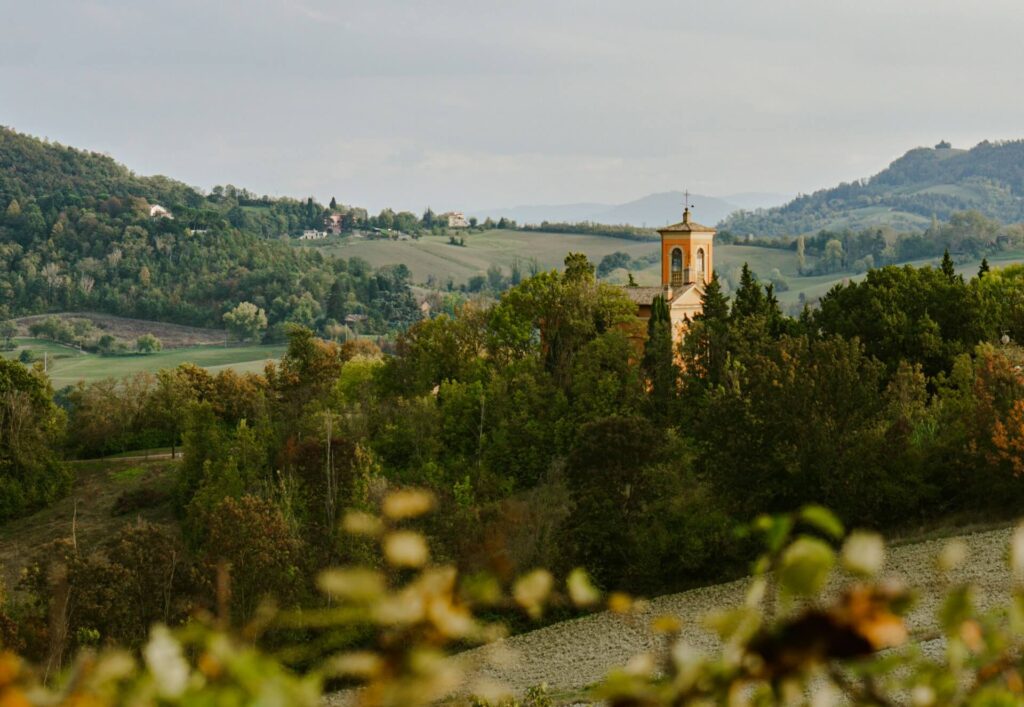
Emilia-Romagna, located in northern Italy, offers a captivating mix of varied landscapes, rich history, and exceptional wines that invite exploration. Bounded by the Po Valley, the majestic Apennine Mountains, and the inviting Adriatic Sea, this region covers approximately 22,446 km² and comprises nine distinct provinces.
The Po River enriches the fertile soils, creating a nurturing environment, while the hilly terrain of the Apennine foothills provides favorable conditions for production. The region’s unique terroir and climate contribute to a diverse selection of wine styles that reflect the character of Emilia-Romagna.
Visitors will experience a subcontinental climate with hot summers and cold winters, featuring multiple microclimates that contribute to a remarkable array of wines. From the alluvial plains to the clay and limestone hills, each terroir tells a unique story.
With a deep culinary tradition intertwined with its wine culture, Emilia-Romagna invites you to savor not only its exceptional wines but also the warm embrace of its stunning landscapes and historical charm.
Explore our Italian Wine Guide.
Signature Wines of the Region
When exploring the signature wines of Emilia-Romagna, you’ll find a delightful mix of flavors and styles that reflect the region’s rich heritage. From the sparkling Lambrusco to the elegant Albana passito, each wine tells a story of the land and its traditions. Be sure to try the renowned Sangiovese di Romagna, which captures the essence of this vibrant wine region. The region is also known for its diverse terroirs, allowing for a wide array of wine styles to flourish.
Notable Wines
In the heart of Emilia-Romagna, an array of signature wines showcases the region’s rich viticultural heritage. Each sip tells a story, inviting you to experience the essence of this beautiful land.
Here are some must-try wines:
- Lambrusco and Bonarda: Two iconic red wines from Emilia-Romagna, with Lambrusco known for its refreshing, lightly sparkling character and fruity notes, while Bonarda offers a deeper, still red wine with rich berry flavors and a smooth finish.
- Albana di Romagna: Italy’s first white DOCG, offering delightful dry or sweet notes with a hint of almond.
- Sangiovese di Romagna: A captivating red wine that delights with its fruity flavors and distinct character.
Exploring these wines will deepen your appreciation for Emilia-Romagna’s diverse terroir and vibrant culture. Each glass is a unique experience waiting to be savored.
Hidden Wine Treasures of the Region
As you explore Emilia-Romagna, keep an eye out for its hidden wine treasures that often go unnoticed. In charming towns like Dozza, you’ll encounter unique vineyards producing exceptional Sangiovese and traditional wines like Cagnina. These lesser-known gems offer a delightful contrast to more famous varieties, enriching your tasting experience. The region’s winemaking history dates back over two millennia, showcasing a rich tradition that enhances every sip.
Notable Wines
Hidden within the Emilia-Romagna region are gems that every wine lover should explore. These unique locations showcase the rich diversity and quality of local wines, waiting for you to savor.
Each of these treasures offers exceptional wines along with stories and traditions that connect you deeply to the land.
- Pagadebit and Trebbiano: Immerse yourself in history while sampling these varieties, which reflect the region’s diverse terroirs.
Embrace the intimacy and passion of Emilia-Romagna’s winemaking, and you’ll find yourself enchanted with every sip.
Geography, Terroir, and Climate
Emilia-Romagna features a rich geography, terroir, and climate that significantly influences its wine production. Stretching from the Adriatic Sea to the Po River, this region showcases diverse landscapes, including coastal plains and the majestic Apennine Mountains. The unique terroirs of the subregions of Emilia and Romagna, characterized by sandy, limestone, and sandstone soils, play a crucial role in shaping the profiles of wines such as Sangiovese and Lambrusco.
In Emilia the mild continental climate, marked by wet winters and hot, dry summers, provides optimal conditions for grape growth, while in Romagna the proximity to the Adriatic coast brings refreshing breezes, while the Po River helps to moderate temperatures, contributing to the freshness found in the wines. As one explores over 53,000 hectares of cultivated vines, the varied topography and microclimates reveal distinctive flavors and complexities, making Emilia-Romagna a notable area for wine enthusiasts. Additionally, the region boasts 18 DOC appellations and two DOCG designations, further highlighting its diverse wine offerings.
History
The wine culture of Emilia-Romagna has a rich history significantly shaping the region’s identity and viticultural practices. Its origins can be traced to the Ligurians and Umbrians, who were among the first to grow grapes. However, it was the Etruscans in the 7th century BC who established the groundwork for organized viticulture.
During Roman rule, vine growing flourished, aided by the Via Emilia trade route, which allowed for the distribution of wine throughout the area. Over time, the Lombards and Byzantines left their mark on local practices, yet the region’s strong connection to wine persisted. Emilia-Romagna’s culinary heritage includes notable products like Lambrusco, one of Italy’s oldest grapes, which carry significant historical value, reflecting ancient winemaking styles. Today, despite facing challenges in the 20th century, a modern resurgence in quality wine production celebrates both tradition and innovation, ensuring that Emilia-Romagna’s legacy continues to thrive.
Important wine-growing areas
In Emilia Romagna, the wine-growing areas such as Colli Piacentini, Colli di Rimini, and Colli Bolognesi each offer distinct flavors and experiences. Colli Piacentini is known for its Barbera, while Colli di Rimini highlights the versatility of Sangiovese. In Colli Bolognesi, the combination of local terroir and grape varieties results in memorable wines. This region’s agricultural abundance ensures a rich diversity in wine production.
Colli Piacentini
Colli Piacentini features rolling hills and a diverse terroir that distinguishes it within the Emilia-Romagna wine region. Located at the western edge of the area, it’s characterized by clay, sand, and sandstone soils, shaped by warm, humid summers and chilly winters. The region spans across five main valleys, which contributes to its unique wine characteristics.
Barbera and Croatina (here called Bonarda) are used for red wines, especially Gutturnio with its fruity flavours and deep ruby colour ,reflecting the flavours of the past together with the white Ortrugo dei Colli Piacentini made with the indigenous grape Ortrugo.
These exquisite wines pair wonderfully with local specialties such as pasta and Parmigiano Reggiano, offering a delightful culinary experience.
Modenese lambrusco
Modenese Lambrusco thrives in the fertile plains and gentle hillsides of central Emilia-Romagna, centered around the historic province of Modena. This area benefits from a continental climate with hot summers and cold winters, coupled with rich alluvial soils from the Po River valley that provide excellent drainage and mineral content.
The region is home to several indigenous Lambrusco varieties including Salamino, Grasparossa, and Sorbara – each creating distinct expressions of this famous frizzante wine. Lambrusco di Sorbara is particularly prized for its light ruby color, delicate floral aromas, and crisp acidity, while Lambrusco Grasparossa di Castelvetro offers deeper color and more robust fruit characteristics.
These vibrant, slightly sparkling red wines range from bone dry (secco) to sweet (dolce) styles, traditionally served chilled and perfectly complementing the region’s rich cuisine including Prosciutto di Modena, gnocco fritto, and the celebrated balsamic vinegar of Modena, creating a quintessential taste of Emilian gastronomy.
Reggiano lambrusco
Reggiano Lambrusco flourishes surrounding the province of Reggio Emilia. The area features fertile lowlands and gentle undulating terrain with well-draining soils composed of clay, silt, and limestone deposits. The region enjoys a continental climate with warm summers and moderately cold winters, creating ideal conditions for Lambrusco cultivation.
This distinctive growing area primarily showcases the Lambrusco Salamino and Lambrusco Marani varieties, along with small amounts of Ancellotta which adds color and structure. Reggiano Lambrusco wines typically display a deep purple-red color with lively effervescence, offering fresh berry aromas and a characteristic almond finish that distinguishes them from other Lambrusco styles.
These refreshing, food-friendly wines complement the local culinary traditions of Reggio Emilia, pairing beautifully with Parmigiano-Reggiano cheese, cappelletti pasta, and erbazzone (savory spinach tart), embodying the convivial spirit and rich gastronomic heritage of the region.
Bosco eliceo
Bosco Eliceo represents a unique coastal terroir in eastern Emilia-Romagna, stretching along the Adriatic shores near Ferrara and Ravenna. This distinctive growing area is characterized by sandy soils formed by ancient pine forests and coastal dunes, creating a remarkable maritime environment for viticulture. The region benefits from a temperate Mediterranean climate moderated by sea breezes, with mild winters and warm summers tempered by cooling coastal influences.
The area is renowned for cultivating the indigenous Fortana grape (locally called “Uva d’Oro”) alongside Merlot and Sauvignon Blanc. Bosco Eliceo Fortana produces vibrant ruby-red wines with a slight effervescence, distinctive salinity, and bright red fruit notes that carry a subtle hint of the sea air. The white wines display remarkable minerality and freshness that reflect their coastal origins.
These distinctive wines pair exceptionally well with the region’s seafood cuisine, complementing dishes like eel from the Comacchio lagoons, clam pasta, and seafood risotto, embodying the area’s unique position between forest and sea that creates a truly singular expression of Emilian wine culture.
Romagna
Romagna encompasses the eastern portion of Emilia-Romagna, stretching from the Apennine foothills to the Adriatic coast. This diverse growing area features a varied landscape of gentle hills and open plains with predominantly clay and limestone soils that impart distinctive mineral characteristics to its wines. The region enjoys a continental climate with Mediterranean influences, characterized by warm summers, moderate rainfall, and cooling sea breezes along the coastal areas.
The viticultural heart of Romagna centers around the Sangiovese grape, which here expresses itself with bright acidity and red fruit notes distinct from its Tuscan counterpart. Other important varieties include the indigenous white Albana – Italy’s first white wine to receive DOCG status in 1987 – and Trebbiano Romagnolo. Sangiovese di Romagna showcases vibrant cherry flavors and earthy undertones, while Albana di Romagna offers aromatic complexity ranging from dry to sweet passito styles.
These food-friendly wines beautifully complement regional specialties such as piadina flatbread, pastas with rich ragù, and squacquerone cheese, reflecting the generous and robust character of Romagnolo cuisine and culture that distinguishes it within the broader Emilian wine landscape.
Colli di Rimini
Colli di Rimini, located along Italy’s Adriatic coast, captivates with its stunning landscapes and rich viticultural heritage. Spanning from the vibrant beaches of Rimini to the serene hills, this region enjoys a semi-continental climate that nurtures a variety of grape cultivars. The combination of climate and geography enhances the quality of wines produced in Colli di Rimini, making them unique and flavorful.
As you explore, you’ll find exquisite Sangiovese, Cabernet Sauvignon, and delightful Trebbiano Romagnolo, each reflecting the essence of the land. The DOC status gained in 1996 confirms quality and authenticity, with wines produced under strict regulations.
Beyond the vineyards, the area’s medieval castles and Roman landmarks invite immersion in history. With growing wine tourism, you can savor these remarkable wines while soaking in the breathtaking views that make Colli di Rimini truly special.
Colli Bolognesi
Southwest of Bologna, the picturesque Colli Bolognesi wine region invites exploration of its rolling hills and vibrant vineyards. This enchanting area, steeped in history dating back to the Etruscans and Romans, boasts a perfect terroir of sandstone, limestone, and clay, ideal for diverse grape varieties. The region has experienced a boom in viticulture, with many innovative winegrowers producing high-standard wines that reflect its rich heritage.
Here, you can savor the invigorating Pignoletto, alongside traditional reds like Sangiovese and Barbera, or international stars like Chardonnay and Cabernet Sauvignon. The unique microclimate, influenced by the nearby Apennines, shapes each wine’s character.
As you wander through the vineyards, experience the blend of tradition with modern techniques, making Colli Bolognesi a hidden gem in the Italian wine landscape. Embrace this intimate experience with its exquisite wines.
Main Grape Varieties
In Emilia Romagna, a vibrant array of grape varieties defines the region’s character. Trebbiano and Albana grace the white wine scene, while Sangiovese and Lambrusco dominate the reds, each bringing unique flavors and styles to your glass. Lambrusco wines are known for their sparkling nature and refreshing acidity, adding a delightful experience for wine enthusiasts. Pignoletto adds an invigorating twist, making this region a paradise for wine lovers.
Trebbiano
For centuries, Trebbiano romagnolo has held a prominent place in the vineyards of Emilia Romagna, thriving particularly in the province of Ravenna. This white grape variety is the most widespread in the region, celebrated for its high productivity and resilience against pests. Additionally, Trebbiano wines are known for their high alcohol content, which enhances their appeal in various wine styles.
With roots tracing back to the Etruscan and Roman eras, Trebbiano adapts effortlessly to various climates and wine styles. Its wines, typically straw yellow, offer a light body with fresh flavors of citrus, green apples, and pears, boasting high acidity that makes them perfect for enjoying young. Whether in still or sparkling forms, Trebbiano complements light dishes beautifully, contributing a crispness and vibrancy to culinary experiences.
Lambrusco
Five primary varieties of Lambrusco are found in Emilia Romagna, each contributing unique characteristics to the region’s celebrated wines. Lambrusco Grasparossa, with its full-bodied character and deep purplish-red hue, stands out prominently. Lambrusco Salamino, the most widely planted, offers lively, fresh flavors. Lambrusco Maestri and Marani are often blended for added color and body, particularly in Reggio Emilia’s vineyards. Additionally, Lambrusco di Sorbara with its light ruby colour and red fruit notes with a good freshness and minerality, mostly grown in the valleys of Modena. Each variety brings delightful floral aromas and red-to-black fruit notes, creating a range of flavors that pair beautifully with local cuisine. The influence of these grapes shapes the essence of Lambrusco wines, inviting an appreciation of the rich cultural experience they represent.
Sangiovese
While exploring the Lambrusco varieties of Emilia-Romagna, it’s impossible to overlook another star of the region’s wine scene: Sangiovese. This prominent grape thrives in the area, showcasing its versatility from everyday blends to prestigious DOC wines like Romagna and Colli di Faenza.
With its medium-sized, violet-black berries, Sangiovese offers alluring aromas of plum, cherry, and blackberry, often evolving into hints of vanilla and cocoa with aging. Its lively acidity and tannic structure create a delightful taste experience, making it perfect for pairing with rich pasta sauces or grilled meats. Additionally, Sangiovese’s high acidity enhances its food pairing versatility, allowing it to complement a wide range of Italian dishes.
As you savor a glass, you’ll appreciate the unique character that Emilia-Romagna’s terroir imparts to this beloved grape.
Albana
Albana’s rich history and unique characteristics make it a standout grape variety in the Emilia-Romagna region, particularly in Romagna. With origins tracing back to Roman times, this grape boasts a deep connection to the land. Its thick-skinned berries, ranging from yellow-green to golden, are ideal for crafting both dry and sweet wines. The Albana grapes’ ancient lineage contributes to the complexity and depth of the wines produced from this variety.
When savoring an Albana, you’ll experience a delightful bouquet of white flowers, peaches, and honey, often punctuated by vibrant apricot notes. The versatility of Albana wines, from invigorating dry styles to luscious passito, invites exploration of various pairings. Each sip reflects centuries of tradition, celebrating the enduring legacy of this exceptional grape that has captured hearts and palates alike.
Bombino bianco
Bombino Bianco is a resilient native grape, valued for its drought resistance and prolific yields in the warm Mediterranean climate. Bombino’s large, tightly-packed clusters produce wines of subtle character with refreshing acidity and delicate aromas of green apple, white flowers, and citrus peel. Also known as Pagadebit (pay the bills) for its generous productivity, it was traditionally used in blends to add brightness and structure, nowadays modern winemakers are increasingly showcasing it as a varietal wine with impressive results. The wines typically present as light-bodied and crisp, making them ideal companions for regional seafood specialties and summer dining.
Uva longanesi
Uva Longanesi is a remarkable rediscovery in the Emilia-Romagna wine landscape. This indigenous red grape variety was nearly lost to history until the 1950s when farmer Antonio Longanesi found wild vines growing on his property near Ravenna. The grape produces compact bunches with thick-skinned berries that yield wines of intense character featuring rich notes of black cherries, plums, and spices, complemented by sturdy tannins and vibrant acidity. Locally nicknamed “Bursôn” after the dialect term, it has become a symbol of regional pride and viticultural preservation. These robust wines pair beautifully with hearty local cuisine such as game, aged cheeses, and traditional ragù. Since gaining IGT recognition, Uva Longanesi has attracted attention from wine enthusiasts seeking authentic expressions of terroir. Each bottle represents not just a distinctive drinking experience but a celebration of cultural heritage and the remarkable story of a variety rescued from the brink of extinction.
Ortrugo
Ortrugo is a distinctive white grape indigenous to the Piacenza hills of western Emilia-Romagna. This ancient variety has been cultivated for centuries in this specific corner of Italy, where it thrives in the region’s continental climate and calcareous clay soils. Ortrugo produces wines with vibrant freshness characterized by crisp green apple, white peach, and subtle herbal notes, often with a pleasant touch of almond on the finish. Traditionally blended with Malvasia, modern winemakers increasingly bottle it as a varietal wine, sometimes with a gentle effervescence that enhances its natural vivacity. These lively wines make perfect partners for local specialties such as ravioli with butter and sage, soft cheeses, and freshwater fish dishes from the Po River. Since earning DOC status in the Colli Piacentini appellation, Ortrugo has gained recognition beyond its homeland while remaining a cherished local treasure.
Malbo gentile
Malbo Gentile is a historic red variety deeply rooted in Emilia-Romagna‘s viticultural tradition. This lesser-known grape has been cultivated for generations across the provinces of Modena and Reggio Emilia, where it adapts beautifully to the region’s continental climate and varied soils. The wines showcase distinctive character with medium body and appealing notes of ripe red berries, violets, and subtle earthy undertones, supported by moderate tannins and balanced acidity. Long used as a blending component to add complexity and aromatic lift, Malbo Gentile is increasingly being celebrated in single-varietal expressions by forward-thinking producers. These characterful wines pair wonderfully with regional specialties like cotechino sausage, aged Parmigiano-Reggiano, and traditional pasta dishes. Though it lacks the international recognition of its neighbor Lambrusco, Malbo Gentile has secured DOC status in several local appellations and represents an authentic taste of Emilia’s winemaking heritage.
Pignoletto
Pignoletto is a hidden gem in the Emilia-Romagna wine scene. This native grape variety thrives in the diverse terroir of Bologna and Modena, with its thick skin and small bunches allowing it to adapt beautifully to various soils. The region’s unique style is due to its soil types, grape varieties, and production methods. Pignoletto wines delight with crunchy notes of lime, lemon, and jasmine, often served as a refreshing summer aperitif. You’ll find it softly dry, straddling the line between Brut and Extra Dry, making it perfect for pairing with local delicacies. Since gaining DOCG status, Pignoletto has risen in popularity, capturing hearts both nationally and internationally. As you sip this exquisite wine, you’re not just tasting a drink but experiencing a piece of Emilia-Romagna’s rich heritage.
Malvasia
As you explore the enchanting Emilia-Romagna wine region, don’t miss out on Malvasia, a grape variety rich in history and allure. With over 17 varieties, Malvasia Bianca di Candia thrives in the clay soils of the Parma and Piacenza hills, offering an array of wine styles, from sparkling “champagnino” to fragrant still wines. You’ll appreciate the intense floral and peach aromas, complemented by invigorating acidity. Whether you enjoy a semi-sparkling aperitif or a rich passito, Malvasia pairs beautifully with light appetizers and local delicacies.
Barbera
Barbera, with its rich heritage and vibrant character, captures the essence of Italian winemaking. Originating from the hills of Monferrato, this red grape thrives in Emilia-Romagna, showcasing its remarkable adaptability to various climates and soils. Barbera wines are typically light to medium-bodied, boasting high acidity and low to medium tannins. This grape’s versatile cultivation has allowed it to flourish not only in its homeland but also in various Northern regions like Lombardy. You’ll find delightful flavors of red and black fruits, complemented by hints of lavender or nutmeg. Whether enjoyed as a frizzante or a still version, these wines pair wonderfully with pizza, pasta, or even roast meats.
Bonarda
Bonarda is a distinctive red grape variety that adds a unique charm to the winemaking landscape of Emilia-Romagna. This hardy grape thrives in diverse climates, showcasing its vigorous growth and resilience. Often blended with Barbera, Bonarda contributes a delightful fruity character to red table wines, making them approachable and enjoyable. Elsewhere known as Croatina, it is often blended with Barbera playing a significant role in local DOCs, contributing to beloved wines like Gutturnio. Enjoying a glass offers a taste of the rich cultural heritage and traditions of Emilia-Romagna.
Overview on appellations system
Emilia Romagna features a rich and diverse appellation system that significantly shapes its wine identity. With around 20 DOC zones, this region offers a delightful array of styles, from sparkling to still, catering to every wine lover’s palate. Key areas like Colli Piacentini and Modena hills thrive under the sun, producing renowned wines such as Lambrusco Grasparossa and Sangiovese di Romagna.
The crown jewels, Albana di Romagna and Colli Bolognesi Classico Pignoletto, hold DOCG status, representing the pinnacle of quality in Italian wine. Additionally, the Lambrusco grape, widely cultivated in Modena, enhances the region’s reputation with its unique sparkling wines.
The region’s vineyards, stretching over 53,000 hectares, yield an impressive 6.7 million hectoliters annually. You’ll find a mix of indigenous and international grapes, with Trebbiano leading the charge. Each sip reflects the unique terroir, making Emilia Romagna a true paradise for those eager to explore its vibrant wine culture.
3 Wine Destinations for a Perfect One-Day Trip
For a delightful one-day trip in Emilia-Romagna, consider visiting Modena, where historic vineyards fill the air with the aroma of Lambrusco.
Bologna features engaging wine-tasting tours that beautifully complement its renowned culinary offerings.
If you are a fan of the local Sangiovese, consider visiting Romagna and the wonderful Dozza.
Modena and Lambrusco
Modena provides a wonderful escape for wine enthusiasts eager to experience the region’s rich viticultural heritage.
The sun-drenched rows allow perfect maturation to the grapes of the bold Lambrusco Grasparossa.
Not only wine, though – this is also the world of Traditional Balsamic Vinegar, aged to perfection in wooden barrels—its complex flavors are a culinary treasure.
Engage in unique tasting experiences, where ancestral winemaking meets local delicacies.
Pair your tastings with mouthwatering Prosciutto di Parma and Parmigiano Reggiano for an unforgettable culinary adventure.
Bologna hills tour
The hills around Bologna offer a nice surprise where amazing flavors and beautiful landscapes meet. A wine and environmental delight just a few kilometers from the city, visiting charming family-run estates and savoring wines like Pignoletto and Albana, each sip reflecting the region’s rich heritage.
Enjoy tours that wind through the scenic Colli Bolognesi, visiting Vignola and the Monteveglio Abbey.
Romagna
Romagna is the eastern part of the Emilia Romagna region, ideally divided in two by the Sillaro river, and includes the provinces of Forlì, Ravenna, and Rimini. As you explore this fascinating region, enjoy local Sangiovese and refreshing Albana wines at popular locations. Each stop offers a unique story, blending sustainable practices with traditional methods. Enjoy intimate tastings paired with delicious piadina and seafood dishes that reflect the vibrant local culture.Consider a visit to Dozza and Brisighella, where history and wine blend.
3 Traditional Dishes You Must Try
When exploring Emilia Romagna, you can’t miss the iconic flavors of its traditional dishes. Imagine savoring Tortellini in Brodo, where tender pasta embraces rich broth, or indulging in layers of Lasagna alla Bolognese that melt in your mouth. Don’t forget to grab some Gnocco Fritto delights, perfect for pairing with local cured meats and cheeses. Additionally, many of these dishes are complemented by pork and beef dishes grilled to perfection, showcasing the region’s culinary diversity.
Tortellini in Brodo
If you’re exploring the culinary delights of Emilia-Romagna, Tortellini in Brodo is a must-try dish that embodies the region’s rich traditions.
This charming pasta, filled with a savory mix of ground pork, veal, and Parmesan, is wrapped in delicate dough and served in a fragrant broth, often made from chicken or capon. Each family crafts its own version, steeped in history and love, making it a staple during special occasions like Christmas. Traditionally, it is served as a main course that showcases the essence of Italian comfort food.
As you savor each bite, the warmth of the broth and the freshly grated cheese will embrace you. Enjoy this dish, and you’ll taste the heart of Emilia-Romagna in every spoonful.
Lasagna Alla Bolognese
As you continue your culinary exploration in Emilia-Romagna, experiencing the rich flavors of Lasagna Alla Bolognese is a must. This iconic dish, originating from Bologna, features layers of homemade pasta, savory Bolognese sauce, creamy béchamel, and the distinctive taste of Parmigiano Reggiano. The authentic version of this dish does not include mozzarella cheese, making it a true representation of traditional Italian cuisine.
Each family has its cherished variation, making every bite a unique experience that reflects deep-rooted traditions. The slow-cooked Bolognese sauce, simmered with ground meats and aromatic vegetables, creates a comforting depth of flavor.
As you savor each layer, you’ll feel the warmth of Italian homes, where this dish is often served during special gatherings. Enjoy it fresh from the oven, golden and bubbling, and let its authenticity transport you straight to the heart of Italy.
Gnocco Fritto Delights
Gnocco Fritto delights are a true culinary treasure in Emilia-Romagna, offering a crispy and airy experience that pairs beautifully with a variety of accompaniments. Known by different names—like “crescentina” in Bologna and “pinzino” in Ferrara—these fried dough pieces are made with simple ingredients like farina “00” and strutto di maiale. The dish has a rich history that dates back to the Longobard period, showcasing its significance in local culture. You can savor them alongside cured meats like prosciutto crudo or enjoy their cheesy variations stuffed with Parmigiano Reggiano. Traditionally enjoyed at local festivals or family gatherings, they embody the region’s rich culinary heritage. Pairing with Lambrusco complements the richness of gnocco fritto, making every bite a celebration.