Aosta Valley Wine Region: Complete Guide
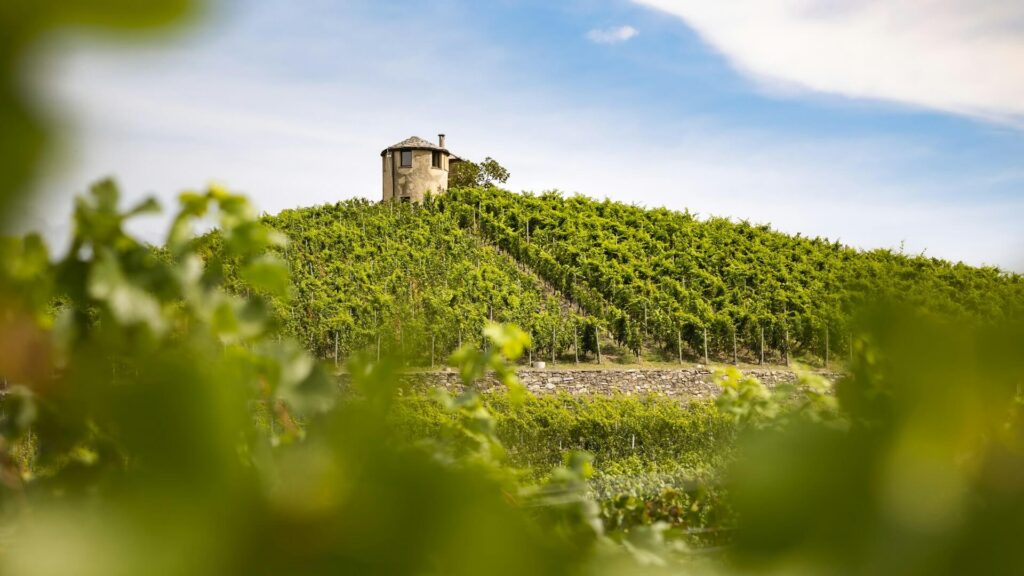
The Aosta Valley wine region sits in Italy’s northwestern corner, positioned between France and Switzerland among the Alps. Italy’s smallest wine-producing area spans just 70 kilometers from Morgex to Donnas along the Dora Baltea river. Here, vines grow on steep, terraced slopes.
The region’s unique wine expressions are cultivated in a dramatic landscape that includes the Italian slopes of Mont Blanc and other iconic Alpine peaks.
A continental climate creates significant day-night temperature variations, which helps develop complex aromatics while maintaining bright acidity. Vines must push through thin, rocky soils—mostly alluvial deposits mixed with glacial sediments—resulting in wines with concentrated flavors. The region boasts the highest vineyards in all of Europe, creating truly unique alpine growing conditions for a high-altitude viticulture—intense, mineral-driven, and completely unique.
The region is uniquely bilingual with both Italian and French being official languages in the Valle d’Aosta.
Explore our Italian Wine Guide.
Signature Wines of the Region
Aosta Valley alpine terroir holds exceptional wine treasures in its pre-phylloxera vineyards and supports several native grape varieties.Aosta Valley sparkling wines come from ancient Prié Blanc and Roussin de Morgex grape types.
Prié Blanc that captures the region’s brisk mountain air in crystalline minerality, the smoky Fumin with full bodied profile, the deep ruby, berry-scented with subtle herbaceous undertones Petit Rouge, and the elegant Petite Arvine with its exquisite balance of floral complexity and stony minerality that express the region’s unique character.
The restoration of forgotten native varieties like Vuillermin and Cornalin presents rare tasting chances featuring alpine minerality and unique terroir expressions.
Throughout the organic estates in the area, you’ll find small-batch wines with notable acidity balance, herbaceous notes, and the clear influence of high-altitude growing conditions that rarely reach markets outside the local area. Some of these distinctive wines are produced from grapes grown in steep terraced vineyards that exemplify the region’s heroic viticulture approach.
For those who appreciate depth and nuance, the region’s Pinot Noir presents unexpected alpine expressions—taut, elegant, with surprising aging potential that rivals more famous counterparts.
These wines reflect their Alpine environment through crisp acidity, bright fruit characteristics, and remarkable freshness resulting from the significant day-night temperature variations.
Notable Wines
The Aosta Valley contains exceptional mountain wines worthy of attention among wine lovers globally. Consider these notable regional expressions:
- Blanc de Morgex La Salle – Clean, mineral-rich Prié Blanc grown at Europe’s highest vineyard sites, showing bright acidity and alpine herb notes.
- Torrette DOC – Petit Rouge-based blend offering violets, wild berries, and mountain herbs with impressive structure but also Fumin based wines native grape producing wines with intense blackberry, tobacco, and iron-like mineral qualities reflecting the mountain environment. Then the rare Vuillermin produced in the limited area of Fenis, Pontey and Chatilllon.
- Enfer d’Arvier – Petit Rouge with a bit of Vien de Nus, Mayolet and Fumin produced in a magnificent amphitheatre blessed by sun rays all over the year.
- Nus – Notable passito wines are produced here from Pinot Grigio, especially the rare Malvoise Flétri, with candy, spices and aromatic notes.
Geography, Terroir, and Climate
The alpine terrain of Aosta Valley shapes Italy’s smallest wine region, where vineyards cling to steep mountain slopes beneath Mont Blanc. These vineyards extend 60 km north-south and 90 km east-west, with the Dora Baltea River flowing through the landscape.
The area’s character stems from its glacial history, creating varied soil types. Lower elevations feature alluvial clay and gravel beds that drain well, while higher sites contain mineral-rich moraine soils that add complexity to the wines. The principal winemaking activities concentrate on the eastern banks of the Dora Baltea river.
The continental climate creates stark temperature differences—daytime readings above 30°C before cooling significantly at night—maintaining necessary acidity in ripening grapes. The region receives moderate rainfall mainly in spring and autumn, with dry summers reducing disease pressure.
This combination of stony soils, alpine influences, and varied aspects produces wines with notable minerality and distinctive mountain character.
History
Wine’s historical presence in Aosta Valley dates to ancient times, with viticulture existing well before Roman arrival. Bronze Age grape seed discoveries at Saint-Martin-de-Corléans show that Celtic and Ligurian populations grew native varieties like Fumin and Petit Rouge before Romans introduced specialized vineyard methods.
After the Romans established Augusta Prætoria (the actual Aosta) wine production expanded through infrastructure development. Wine became central to trade, with vineyards spread across valley floors and foothills. After Rome’s collapse, the region experienced many power changes while the House of Savoy and monasteries preserved wine traditions. The region’s cultural distinctiveness was recognized when it was awarded the prestigious title of Duchy in the mid-13th century.
The 19th century brought severe problems—phylloxera and powdery mildew destroyed vineyards, while railways brought cheaper competition. World wars further reduced available workers, almost eliminating Aosta’s wine traditions. However, the 1970s cooperative movement (Caves coopératives) led by young passionate winemakers focused on recovery of indigenous varieties and quality production. Today, these wines reflect this historical persistence, having earned DOC recognition and international respect while maintaining their connection to this ancient wine territory.
Important wine-growing areas
Aosta Valley’s wine areas include Morgex with Europe’s highest-altitude vineyards, which grow Prié Blanc grapes known for their minerality.
The sunny slopes of Arvier and Torrette feature Petit Rouge grapes that produce reds with wild berry notes and firm tannins from their south-facing position.
To the east, Nus and Salle have specific microclimates where continental and Alpine influences meet, creating wines with freshness and structural integrity that show the challenging growing conditions of the region. The lower valley includes the notable areas of Arnad-Montjovet and Donnas which have their own distinctive wine production traditions.
Morgex
Located at the northernmost edge of Aosta Valley, Morgex stands as the site of Europe’s highest vineyards, positioned beneath Mont Blanc‘s towering presence. The area’s continental climate creates marked day-night temperature differences, bringing optimal ripeness from its mineral-rich, sandy soils.
Prie Blanc grows abundantly in this region—a native grape variety grown on low pergolas that endure harsh alpine conditions while developing characteristic floral and green apple aromas. The vineyards reach elevations of up to 1200 meters altitude. The notable Blanc de Morgex et de La Salle DOC represents a clear expression of mountain viticulture, showing crisp acidity and distinct minerality.
Production spans 18 hectares, with demand regularly exceeding the limited yields. Visitors can taste wines that represent high-altitude winemaking—clean, lively, and closely tied to this remarkable terrain.
Arvier
Arvier stands at the entrance of the Valgrisenche, 776 meters above sea level on steep, south-facing slopes that catch the full intensity of alpine sunlight. This old Roman settlement, formerly called Arebrigium, now produces the distinctive Enfer d’Arvier DOC wine.
The terraced vineyards feature predominantly Petit Rouge grapes, along with Nus, Mayolet and Fumin. The continental climate—with significant temperature variations between day and night—and glacial soils give the wines strong structure and aromatic depth.
Wine production here requires entirely manual harvesting methods due to the steep terrain of the vineyards. Viticulture in this region increasingly follows organic methods, working to preserve native grape varieties despite the difficulties of managing vineyards at high altitudes.
Torrette
The Torrette wine region encompasses eleven municipalities representing the core of Aosta Valley’s viticulture. The challenging alpine landscapes feature alluvial and calcareous-clayey soils that produce distinctive alpine red wines. Vineyards are typically situated around 800 meters altitude, creating optimal conditions for grape development.
Torrette DOC wines contain primarily Petit Rouge (at least 70%), often combined with Pinot Noir, Gamay, Fumin, and Dolcetto. These wines show characteristic cherry and plum aromas with earthy undertones, notable mineral qualities with bright acidity and structured tannins.
The very rare Vuillermin is produced only in the limited area between Fénis, Pontey and Chatillon after having risked extinction.
Salle
In the northernmost parts of the Aosta Valley, La Salle represents an exceptional viticultural area where extreme alpine conditions create remarkable wines.
Near Morgex, Europe’s highest vineyards exist on steep terraced slopes that require dedicated hand cultivation. The native Prié Blanc grows on ungrafted rootstock, creating clear whites with strong minerality and sharp acidity.
The continental climate—hot, dry summers against cold winters—necessitates early harvests and gives a distinctive alpine quality to the wines. Harvest typically takes place in early September when grapes achieve optimal ripeness while maintaining their characteristic acidity.
The traditional pergola systems allow vines to collect heat from stone terraces during nighttime, reducing temperature fluctuations. This challenging terrain produces the subtle Blanc de Morgex et de La Salle—a wine that tells the story of its alpine origins through elegant, refreshing characteristics.
Nus
East of Aosta sits the notable wine region of Nus, where two native grape varieties are prominent: Vien de Nus and Petit Rouge.
The DOC rules stipulate these reds must contain at least 50% Vien de Nus with 40% Petit Rouge, resulting in wines with alpine character. These medium-bodied wines show high acidity, minerality, and bright red fruit notes—representing the continental climate and south-facing slopes. The region’s significant diurnal range contributes to the development of complex flavors while maintaining freshness in these distinctive wines.
An alternative option from Nus are the sweet passito wines made from 100%Pinot Grigio. These rich wines offer a contrast to the area’s typically austere profile: the historic and rare Malvoise Flétri shows dried fruits notes with spicy nuances and aromatic notes.
The high-altitude vineyards on steep slopes require manual work, one reason these wines remain relatively uncommon and truly express their distinctive alpine growing conditions.
Chambave
Chambave sits along the Dora Baltea river, a notable location in Aosta Valley‘s wine region, where low-rainfall conditions and protected hillside exposures create an ideal microclimate for distinctive wine production.
The area produces the celebrated Chambave Rouge, an interesting blend of Petit Rouge, for a minimum of 70% with the remaining 30% of other red grape varieties such as Dolcetto, Gamay, and Pinot Noir that shows the area’s unique terroir. The aromatic Muscat de Chambave, with records dating to the 14th century, offers honeyed complexity, while its premium expression—Muscat de Chambave flétri—develops concentrated sweetness through the traditional appassimento method.
These DOC-regulated wines exist alongside indigenous Fumin wines, characterized by their spicy dark fruit profile.
Arnad
Situated along the central valley slopes of Valle d’Aosta, Arnad-Montjovet represents one of the region’s most compelling viticultural expressions. Here, Picotendro (the local Nebbiolo clone) thrives on steep terraced vineyards that demand entirely manual cultivation, developing a more delicate, perfumed character than its Piedmontese counterpart.
The area unites 50 small-scale growers preserving indigenous varieties like Gros Vien, Neyret, Cornalin, and Fumin. These grapes contribute distinctive characteristics to the region’s signature blends. The wines exhibit bright fruit profiles complemented by subtle earthiness, balanced acidity, and structured tannins.
Donnas
The terraced vineyards of Donnas serve as Valle d’Aosta’s eastern sentinel, where viticulture exists on steep slopes above the Dora Baltea River. In this alpine subregion, Nebbiolo (locally called Picotendro) grows at altitudes reaching 700 meters, making up at least 85% of the blend, sometimes joined by indigenous varieties like Fumin or Freisa.
The wines show remarkable tension—ruby-hued with garnet reflections, showing delicate red fruit and rose petal aromas. The continental climate and high-altitude terroir create vibrant acidity and firm tannins. Donnas needs patient aging (24 months minimum, 30 for Superiore), gaining complexity while maintaining alpine precision. As the birthplace of DOC wine in the Aosta Valley, Donnas holds historical significance in the region’s viticultural heritage.
Main Grape Varieties
Petit rouge
Petit Rouge ranks as Aosta Valley‘s primary red grape variety, forming the basis of the region’s wine heritage and making up about 20% of total plantings. This native “little red one,” characterized by small, black berries with thin, waxy skin, grows successfully up to 750 meters above sea level throughout the Dora Baltea valley.
Petit Rouge appears prominently in several DOCs, notably in Torrette (minimum 70%), Enfer d’Arvier (minimum 85%), and Chambave Rosso (minimum 70%). The grape is frequently blended with other indigenous varieties like Cornalin and Fumin to create complex wines. The resulting wines show intense ruby-red color with garnet hints and present complex aromas of flowers, fruits, and almonds. These wines offer a full-bodied experience with firm yet velvety tannins. After proper aging Petit Rouge develops a refined profile that represents its ancient Alpine growing conditions.
Nebbiolo
Nebbiolo is known locally as Picotendro in the lower areas of Aosta Valley, particularly in Arnad, Issogne, and Donnas communes. The high-altitude vineyards and wind-swept terroir provide ideal conditions for this late-ripening grape variety, which is typically harvested between October and November.
These wines display a bright ruby color that changes to brick-orange as they age. They feature blackberry, cherry, and violet notes on the palate, often with a subtle balsamic hint. The strong tannin structure contributes to excellent aging potential, allowing the characteristic tar and rose aromas to develop into complex violets and wild herbs. The exceptional balance of acidity and high polyphenols makes Picotendro wines especially suitable for long-term cellaring.
For the best experience, these wines should be served at 18°C with regional specialties like mountain cheeses, wild game, or cured meats. Though production is limited, these Valle d’Aosta DOP wines effectively express their distinctive mountain terroir.
Gamay
Gamay represents a lighter expression in Aosta Valley’s wine selection. This light-bodied grape flourishes in the region’s granitic soils, developing characteristic bright acidity and vibrant red fruit profiles.
In Aosta’s cool alpine climate, Gamay maintains its freshness while acquiring unique local characteristics. The wines typically show delicate raspberry and strawberry notes with subtle earthy undertones, refreshing qualities and bright fruit flavors. Local traditions often include blending Gamay with indigenous varieties like Petit Rouge, resulting in wines with surprising complexity.
Aosta Valley Gamay features a signature low tannin structure with mineral nuances from the mountain soils. These wines match excellently with the region’s alpine cheeses and charcuterie, showing the close relationship between land, cuisine, and grape growing.
Merlot
Merlot holds a distinct position in Aosta Valley‘s wine landscape as an international variety that has established itself in this alpine terrain. These wines show an intense ruby color that shifts toward garnet with age, presenting a medium to full body on the palate.
In Aosta’s specific growing conditions, Merlot produces concentrated flavors of red and black berries, with truffle, spice, and subtle earthy notes. The valley’s cooler climate creates a structured profile while retaining the grape’s typical softness and accessibility. Aosta Valley Merlot differs from versions found in Veneto or Friuli through its characteristic alpine qualities.
This adaptable variety appears both as a single-varietal wine and in blends with local grapes to add structure, showing how it has been influenced by the region’s mountain environment. The grape thrives particularly well in the clay-rich soils of the valley, similar to its preference in its traditional growing regions.
Moscato bianco
Shifting attention from the intense reds to the aromatic whites, Moscato Bianco stands as one of the most fascinating grapes in Aosta Valley’s wine selection. While known primarily in Piedmont, this ancient Muscat family member shows a distinctive character in Aosta’s Alpine growing conditions.
The Valley’s Moscato differs from its sweeter relatives, often made dry while retaining its characteristic floral intensity. The high-altitude vineyards produce a unique profile where musk, sage, and yellow rose notes combine with clear minerality. When served properly chilled (10-12°C), these pale-straw wines show their full sensory complexity. The wine’s bitterish finish adds complexity that distinguishes it from other regional expressions.
Petite arvine
Petite Arvine stands as one of Aosta Valley’s most distinctive Alpine treasures among white varieties. This Swiss native, often called “grape of the glaciers,” grows well in the valley’s high-altitude, steep-sloped terroir similar to its Valais homeland.
The wine shows a straw yellow color, with an attractive aromatic profile of violets and wisteria. When tasted, it presents grapefruit and citrus notes, with a characteristic salinity that suggests its mountain origins. Genetically, it is believed to derive from Prié, another grape variety native to this region. Medium to high acidity provides structure for this full-bodied yet fresh wine.
Production remains limited because of challenging cultivation conditions, but Petite Arvine can age for up to ten years.
Chardonnay
Chardonnay thrives in Italy’s highest wine region, where this internationally acclaimed varietal has found success since its arrival in Aosta Valley in the 1970s. A distinct expression develops here, influenced by mineral-rich soils and high-altitude, wind-swept terroir.
These Alpine Chardonnays benefit from slow ripening at elevations above 700 meters, contributing to their elegant, lean structure, crisp minerality and precise acidity. The region produces both classic and oak-aged organic styles.
Pinot grigio
Pinot Grigio plays a distinctive role in the Valle d’Aosta viticultural landscape, showing a nuanced character that differs from its more famous versions elsewhere in northern Italy. The valley’s high-altitude vineyards bring out remarkable complexity as crisp and medium-bodied with delicate notes of alpine flowers, green apple, and citrus, supported by a compelling gravelly minerality unique to Aosta’s terroir.
Pinot Grigio also plays an important role in historical wine production of the region, being used in purity for the production of the Valle d’Aosta DOC Nus Malvoisie Flétri (Passito) luscious, sweet, intense, with a soft and warm final and golden amber colour.
Fumin
Across the rugged landscape of Valle d’Aosta, Fumin stands as the region’s most distinctive indigenous red grape variety, showcasing remarkable character that reflects its alpine heritage. This late-harvester presents a ruby-purple hue and smoky, full-bodied profile with appealing notes of ripe and dried red fruits, leather, and spice. Winemakers often refer to Fumin’s deep skin color as verging on blue when the grapes are ripening.
Traditionally blended with Petit Rouge and Syrah, Fumin now increasingly appears in mono-varietal expressions that highlight its approachable yet structured tannins and crisp alpine acidity. The glacial moraine and alluvial soils, coupled with high-altitude conditions, produce wines with exceptional aging potential—developing complex tertiary aromas over 7-10 years.
Quality examples of Fumin typically spend at least one year in barriques to soften tannins and add complexity.
Prié blanc
Prié Blanc stands as Valle d’Aosta‘s most notable white variety, growing at remarkable altitudes reaching 1,200 meters. This indigenous grape adapts through low pergola training that allows it to benefit from ground heat.
These vines exist uniquely on original rootstocks without grafting, surviving in sandy, gravelly soils where phylloxera can’t survive. From this environment comes the Blanc de Morgex et de La Salle DOC, producing clear wines with greenish hints and distinct minerality.
Though not created for long-term storage, these wines present exceptional freshness,and
feature bright acidity complementing subtle floral characteristics—expressing alpine growing conditions with extreme day-night temperature differences. The grape’s early ripening characteristic contributes significantly to its ability to thrive at high elevations despite the short growing seasons.
Prié rouge
Despite its name suggesting a relationship with Prié Blanc, Prié Rouge is a completely different grape variety in Valle d’Aosta’s wine heritage. This less-known grape grows on south-facing Alpine slopes, where it benefits from the Western Alps’ rain shadow effect.
The grape adds subtle complexity to the region’s red blends, though it often remains less prominent than Petit Rouge and aromatic Fumin. When made into a single-varietal wine, Prié Rouge produces medium-bodied wines with bright acidity, expressing the alpine environment through notes of wild mountain berries and subtle herbal qualities. Its adaptation to high-altitude growing conditions (up to 4200 ft) results in wines with notable freshness and minerality—characteristic traits of mountain-grown grapes.
Vien de nus
Vien de Nus, found in the historic town of Nus, represents one of Valle d’Aosta’s most distinctive indigenous grape varieties. Known since Roman times and grown at altitudes up to 750 meters, this variety adapts well to the valley’s continental climate despite being susceptible to fungal diseases.
The plant displays large, five-lobed leaves with lyre-shaped petioles and produces medium to large conical-pyramidal clusters of spherical blue-black berries. The wine that changes to garnet as it ages.
Vien de Nus shows a deep purple-red color and produces light-bodied dry wines with soft, vinous characteristics and notably low alcohol content, better to be enjoyed young.
Cornalin
Cornalin represents the historic legacy of Aosta Valley‘s native grape varieties and regional character. This variety was common until the mid-19th century but almost disappeared before conservation work in the late 1980s rescued it.
Cornalin produces medium-sized, pyramidal clusters that thrive in high-altitude, cool-climate areas where its late-ripening nature and medium-high vigor fully express themselves. The ruby-colored wines display a strong connection to their place of origin through complex aromas—wild strawberry, cherry, and distinctive black pepper notes. When tasted, these wines offer warmth, structure, and refreshing acidity. The Institut Agricole Régional spearheaded crucial preservation efforts that prevented the complete loss of this valuable indigenous variety.
Mayolet
Among Aosta Valley’s treasures, Mayolet is a notable indigenous variety with records dating back to 1787. This early-ripening grape presents cultivation challenges with its extremely tight clusters prone to rot, requiring harvest before mid-September when acidity quickly decreases.
Mayolet produces wines with distinctive character—moderately aromatic with bright red fruit flavors plus subtle iris and violet notes. Some bottles show slightly green elements and firm tannins that become softer with aeration. It is rarely produced in purity, normally blended with petit Rouge or other indigenous varieties.
Overview on appellations system
The Aosta Valley appellation system forms the foundation for quality wine classification in Italy’s smallest wine region. The broad Valle d’Aosta DOC covers most wines, with specific sub-designations highlighting the region’s varied terroir expressions.
Within this structure, notable appellations like Torrette DOC feature full-bodied reds from Petit Rouge, while Blanc de Morgex et de La Salle DOC represents high-altitude Prié Blanc with bright acidity and mineral tension. The system maintains strict yield limits (typically under 12 tonnes/hectare) and minimum alcohol requirements that uphold quality standards.
Each sub-region has distinct specialties—Valdigne‘s extreme altitude vineyards, Enfer d’Arvier‘s elegant Petit Rouge expressions, and Nus‘s rich Malvoisie wines. Though producing just 330,000 cases annually (with only 36,000 under DOC designation), these regulations ensure authentic expressions of Aosta’s Alpine terroir in every glass.
3 Wine Destinations for a Perfect One-Day Trip
As you travel the narrow alpine roads, you’ll find a charming spot where mineral-forward white wines showcase the region’s glacial soils and sunny south-facing slopes.
At another location, try indigenous Petit Rouge and Fumin varieties matched with mountain cheeses during a relaxed lunch on granite terraces.
Alta Valle or Valdigne
The highest European vineyards grow here, below the Monte Bianco. Here the Prié Blanc is the only grape vine that can be cultivated using the Pergole basse system of growth. This is the production area of the renowned Blanc de Morgex et de La Salle that takes its name from the two communes, located side by side on the banks of the river.
Moving down the river towards the valley, there is the village of Avrier, with its spectacular amphitheatre of vineyards where Petit Rouge, Fumin, Mayolet and Vin de Nus blend in the Enfer d’Arvier, the region’s most famous red wine
From Villeneuve to Montjovet
Here the high mountains become gentle hills and the local red grape thrives in the Valle d’Aosta DOC Torrette: Prëmetta, which is grown mainly in Aymavilles, but also Petit Rouge, Fumin and Vuillermin, in the villages of Saint-Pierre, Sarre and Quart .
Following the Dora Baltea River, the village of Nus with its Castello di Pilato, gives its name to the Vien de Nus grape variety but it’s well known also for the Pinot Grigio passito Malvoisie Flétri wine, a rare passito made from Pinot Grigio grapes.
Arnad area
Also famous for its trail along the three Castles of Vallaise and for the salami Lard d’Arnad, the village of Arnad is one of the two sub zones of the lower Valle d’Aosta: Arnad Montjovet and Donnas. Here Nebbiolo vineyards are grown on very steep slopes in order to get sunlight, often on pergola sustained by old stone pillars called pilùn.
3 Traditional Dishes You Must Try
When visiting Valle d’Aosta, try the region’s traditional carbonade stews, featuring rich, wine-infused beef that pairs well with local Torrette reds and their earthy tannins.
The nutty, creamy Fontina DOP—especially melted in fonduta—creates a perfect match with the mineral-driven Blanc de Morgex et de La Salle. Consider sampling the air-dried mocetta, whose concentrated gamey flavors work wonderfully with the fruity notes in Enfer d’Arvier wines.
For an authentic experience, try Polenta alla Rascard, a hearty dish of layered chilled polenta slices with beef and sausage ragout topped with melted Fontina cheese.
Fontina Cheese Delights
Fontina Val D’Aosta DOP forms the heart of the Aosta Valley’s food traditions. This notable cheese, made from raw Valdostana cow’s milk, acquires its earthy, buttery character during a careful 90-day aging process.
Fontina’s excellent melting quality appears in classic dishes like Fonduta Valdostana, where it combines with butter and cream to create a smooth mixture. The cheese brings comfort to Polenta Concia and adds flavor to Risotto alla Valdostana.
For a true tasting, try Fontina with a glass of Nebbiolo, as the wine’s cherry and truffle hints match the cheese’s complex flavor profile. Found from September through March, Fontina reflects the Alpine setting where flower-rich pastures feed the cattle producing this 12th-century tradition.
Hearty Carbonade Stews
Carbonade Valdostana, the warming beef stew of Aosta Valley, stands as quintessential Alpine comfort food with its deep and nuanced flavor profile.
Choose chuck or brisket with good marbling when making this dish—the fat melts beautifully during slow-cooking. The combination of juniper berries, cloves, and cinnamon creates a distinctive regional experience.
Serve your carbonade with creamy polenta to soak up the flavorful sauce. While in the area, try authentic versions in Aosta, where traditional preparation methods include the important pre-salting technique that transforms this from an ordinary stew into something special.
Mocetta Cured Meats
The centuries-old tradition of Mocetta stands as one of Aosta Valley’s most distinctive cured meat preparations, known for its complex flavor profile and traditional production methods. This PAT-recognized specialty rests in its own juices for up to 20 days, with producers often working the meat to ensure uniform color distribution and aromatic preservation.
Mocetta comes from various proteins—beef traditionally, though meats like chamois and Alpine ibex offer more subtle, region-specific qualities. The meat develops its character through seasoning with mountain herbs, garlic, bay leaf, rosemary, and sage before air-drying in the valley’s unique microclimate.