Sardinia Wine Region: Complete Guide
Sardinia’s unique position as the Mediterranean’s second-largest island has formed its distinctive wine identity. Located 150 miles off Italy’s western coast, this mountainous terrain sits between Corsica and Sicily, creating a geographical isolation that has preserved viticultural traditions found nowhere else on the Italian mainland. While the island features a strong Mediterranean influence, its winemaking practices reflect its historical connections to antique Phoenician populations, Corsica and Spain.
The island has a winemaking history extending back millennia, influenced by successive empires that left their mark on both cultivation techniques and grape varieties. The rugged landscape, combined with diverse soils of granite, limestone, and mineral-rich clay, creates dramatically different terroirs across the island’s 40,000 hectares of vineyards.
The Mediterranean climate provides ideal growing conditions, with northern regions like Gallura offering cooler temperatures perfect for white varieties such as Vermentino, while the sun-drenched southern vineyards excel with reds like Cannonau and Carignano. This perfect marriage of geography, history, and climate explains why Sardinian wines are experiencing a renaissance after decades of prioritizing quantity over quality.
Explore our Italian Wine Guide.
Signature Wines of the Region
Sardinia’s vinous geography features wines that reflect the island’s ancient vine-growing heritage. Cannonau yields full-bodied reds with Mediterranean spice notes, while Vermentino di Gallura DOCG represents the island’s principal white wine, displaying crisp acidity and saline minerality from granite soils.
The native varieties such as Monica, Bovale and Cagnulari, and the oxidative Vernaccia di Oristano provide interesting examples of Sardinia’s varied wine production traditions that stand distinctly apart from mainland Italian styles. The Sulcis region in southwestern Sardinia produces remarkable Carignano del Sulcis wines characterized by their complex dark fruit flavors and gentle tannin structure.
Notable Wines
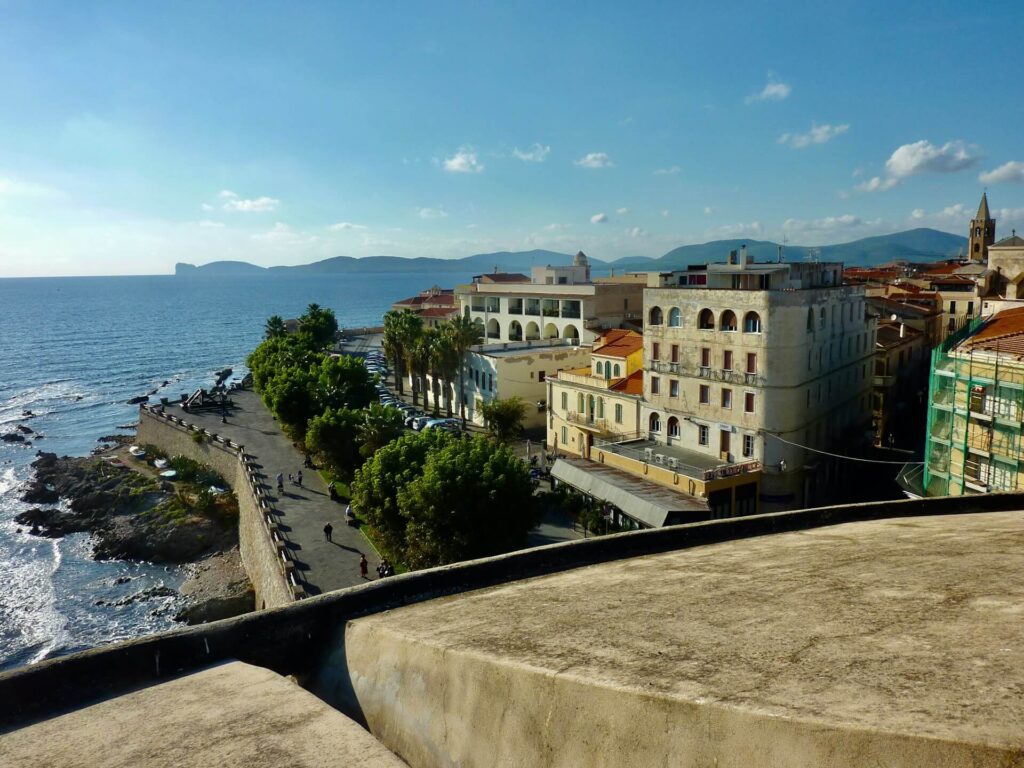
The sun-drenched island of Sardinia with its crystal blue sea, produces several standout wines that show its unique terroir and winemaking heritage.
- Vermentino di Gallura DOCG – Sardinia’s only DOCG offers crisp minerality and subtle salinity, reflecting the granite soils of the northern terrain and showing differences in the various parts of the island.
- Cannonau di Sardegna DOC – A strong red with notes of ripe cherries and Mediterranean herbs, linked to the island’s longevity traditions in the different sub areas of the denomination: Classico, Oliena, Jerzu and Capo Ferrato.
- Carignano del Sulcis DOC – Intense and fruity expressions from ungrafted pre-phylloxera vines growing in sandy coastal soils.
- Vernaccia di Oristano DOC – A traditional fortified wine with sherry-like qualities, aged oxidatively in partially-filled barrels.
The island’s diverse soils including granite and limestone contribute significantly to the unique character of Sardinian wines, providing distinct mineral profiles that are highly sought after by connoisseurs.
Hidden Wine Treasures of the Region
Sardinia offers more than the well-known Cannonau and Vermentino wines. The island holds less familiar viticultural gems in varieties such as Monica, Cagnulari, and Bovale.
These native grapes grow in specific microclimates throughout areas like Gallura, Sulcis, and Oristano, with each location giving distinct soil and climate characteristics to its wines: Mandrolisai, Alghero Cagnulari, and Mogoro Semidano are hidden gems of the wine production of this marvellous island.
While visiting Sardinian wine routes or joining vineyard tours, guests can sample these lesser-known varieties alongside traditional winemaking practices that have existed for thousands of years. This rich winemaking heritage traces back to Phoenician roots, demonstrating a continuous viticultural tradition that has survived countless invasions and cultural shifts.
Geography, Terroir, and Climate
Sardinia’s geographical isolation has helped preserve traditional wine practices while fostering unique growing conditions unlike other Mediterranean areas. The island features varied landscapes from coastal plains to hills, with main wine production from the northern Gallura region to the southern Campidano plain.
The island offers multiple soil types across its territories—granite giving notable minerality, limestone and clay adding structure, and sandstone contributing distinct flavors. These varied geological foundations, combined with old bush shaped vines, result in wines of significant complexity. The region’s ancient bush vine heritage contributes to the distinctive character found in many Sardinian wines.
The Mediterranean climate of Sardinia includes winds, hot dry summers and mild winters, with sea influences moderating temperatures near coastal areas. This climate, though increasingly affected by drought and heat waves, especially in southern parts, gives Sardinian wines their characteristic profiles—often marked by a subtle salinity reflecting the island’s close relationship with the surrounding Mediterranean Sea.
History
Wine has remained a constant cultural element throughout Sardinia’s ancient history, with evidence of grape growing dating back to the 15th century BC. The island’s wine origins are firmly rooted in the Nuragic civilization, which grew early forms of what might be Cannonau. In the Monte Zara archeological site, the finding of what can be possibly identified as a grape press, possibly the Mediterranean’s oldest wine press,could date the wine production in the island back to the IX century BC- in the Nuragic age.
Sardinian wine history has been preserved by geographical isolation. While Greek mythology credits Aristaeus with bringing grape cultivation to the island, archaeological evidence at sites like Sa Osa—where perfectly preserved grape seeds remain—suggests an earlier timeline. As well as in the rest of Italy, Phoenician were responsible for the transportation of many greek grape varieties. Despite having been ruled by various powers, Sardinians kept their distinctive wine traditions. Today, native grapes like Vermentino, Bovale, and Carignano continue to express this ancient heritage.
Important wine-growing areas
Sardinia’s wine landscape features areas from North to South that define the island’s viticultural character. Each area contributes to a unique expression, shaped by specific microclimates and geological features. These regions benefit from the island’s diverse soil compositions including limestone, sandstone, and clay that contribute to the wines’ distinctive profiles.
Alghero in the northwest offers calcareous soils that give complex structure to red and white wines, while Gallura in the northeast produces the island’s only DOCG wine from granite soils.
Central Sardinia includes Mandrolisai with red and rosè wines made with local red grape varieties, and Nuorese area with Nepente di Oliena at East, then the western Oristano area with Vernaccia di Oristano and Arborea DOC.
Moving south the wide Campidano plain emerges, producing wines in the area of Terralba and Oristano, notably the Mogoro DOC, Ogliastra with its IGT wines and Sulcis with Carignano planted with original roots and finally Cagliari area.
Alghero
On the northwestern coast of Sardinia, Alghero DOC area represents one of the island’s most distinctive wine regions, where the Mistral wind brings sea salt across vineyards extending 10 km along the coastline and reaching 30 km inland. This particular terroir contains various soils—volcanic, sandy, rocky, and iron-rich limestone—producing wines with notable mineral character.
The beautiful town of Alghero still retains the imprint of the period of Catalan-Aragonese domination, tangible in its dialect and in its architecture. Visitors can experience a multilingual culture reflected in both wines and the region’s medieval architecture, with a Spanish-Catalan heritage evident throughout the area.
The wine region features Torbato (31% of plantings) and native Cagnulari alongside Cannonau, Vermentino, and international varieties, notably Cabernet Sauvignon but also Merlot, Sauvignon Blanc and Chardonnay across its 376 hectares. The annual rainfall of 400-550mm contributes to the unique growing conditions that define Alghero’s distinctive wines.
Gallura
In northeastern Sardinia, Gallura stands as the island’s most prestigious wine region and the only one to achieve DOCG status. Its distinctive granitic soils and maritime climate create the perfect environment for Vermentino, the signature grape that grows among these sun-drenched hills. The region’s viticultural heritage was significantly influenced by ancient civilizations including Phoenicians, Carthaginians, and Romans.
The wines from this area show remarkable character—vibrant acidity, pronounced minerality, and aromatic complexity that reflects Gallura’s unique terroir. Since earning DOCG classification in 1996, the region has maintained a balance of tradition with new approaches, as ancient techniques continue alongside sustainable practices, both in the regular Vermentino DOCG fresh and fruity and in the Vermentino Superiore warmer and more structured.
Visitors can enjoy Vermentino with local cuisine while exploring the stunning Costa Smeralda coastline. Beyond the summer crowds, spring and autumn offer quieter times to experience both the wines and the deep cultural heritage they represent.
Sorso-Sennori
Close to Alghero, near the Gulf of Asinara, Sorso-Sennori stands as a notable wine area in northern Sardinia’s Sassari province. This coastal region offers ideal conditions for Moscato Bianco grapes, which produce the local Moscato di Sorso-Sennori DOC wines.
The sea-influenced soils contribute to the production of elegant wines. While Moscato di Sorso-Sennori is less known than the famous Vermentino from the nearby area, it offers equally impressive wine experiences, sweet and pleasant, to be paired with the famous Seadas.
Mandrolisai
Moving inland from the coastal vineyards of Sorso-Sennori, Sardinia’s central region offers another viticultural highlight: Mandrolisai‘s vineyards extend across granite and schist soils at elevations between 300-900 meters, with DOC designation limited to 750 meters above sea level.
The wines here come from a distinctive trinity of grapes: Bovale Sardo (minimum 35%), Cannonau, and Monica (20-35% each), often co-fermented with indigenous yeasts. The tannic structure from Bovale Sardo combines well with Monica’s fruity spice notes, creating balanced wines with bright, precise characteristics. The area preserves some of the region’s old vineyard sites that range from 35 to 118 years old.
In this area, sustainable viticulture practices are common, with many maintaining traditional alberello training systems in older vineyards.
Jerzu
Sardinia’s Jerzu area represents one of the island’s most distinctive wine territories. Located in Ogliastra at 500 meters elevation, this remote area maintains authentic winemaking traditions that have remained largely isolated from external influences.
The wine production of this region includes several DOC wines of the region and centers on local grape varieties, with robust Cannonau and crisp Vermentino being the most prominent, while Monica appears less frequently in local vineyards.
The hillside vineyards of Jerzu benefit from Sardinia’s hot, dry summer climate and the moderating effects of the nearby Gennargentu mountains. This particular combination of geography and climate creates wines with notable intensity and character. The Cannonau from this area, Cannonau di Sardegna DOC sub zone Jerzu, typically shows full-bodied qualities and high alcohol content, while Vermentino offers aromatic freshness—both reflecting the unique characteristics of Jerzu’s environment.
Oliena
Located at the base of Mount Corrasi in central Sardinia, Oliena represents an important wine-producing area on the island. Local producers have focused on Cannonau production since 1950, blending traditional methods with contemporary techniques.
The distinctive characteristics of Oliena—decomposed granite and limestone soils, significant temperature variations, and non-irrigated vineyards—produce wines with notable personalities. The Cannonau di Sardegna DOC sub zone Nepente di Oliena shows the fruit complexity and balanced tannins that characterize this microregion.
Mogoro
Mogoro sits in Sardinia’s Oristano province as a sub zone of the Sardegna Semidano DOC known for its viticultural significance. Since 1956, this area has maintained 300 hectares dedicated to indigenous Sardinian grape varieties.
The area produces notable wines with the local Semidano grape, a local variety almost abandoned and cultivated only in this area because it’s very sensitive, low productive and difficult to grow. Semidano wines have a straw-yellow color, delicate floral and herbal notes, fine elegance and a long final.
Mogoro represents authentic Sardinian wine traditions and is surrounded by natural landscapes and cultural heritage that make it worthy of attention during Sardinian visits.
Oristano
Beside Mogoro, Oristano’s characteristic wine region extends along Sardinia’s mid-western coast, representing one of the island’s most historically significant viticultural areas. The area features alluvial, sandy soils that support the indigenous Vernaccia di Oristano grape, which received Sardinia’s first DOC designation in 1971.
Together with the production of the dry Vernaccia di Oristano, this region maintains distinctive winemaking practices in the Vernaccia di Oristano vino liquoroso, an 100% Vernaccia oxidised wine made using a method similar to the Jerez system and flor-aging techniques, creating wines with nutty, sherry-like characteristics. These traditional methods involve making wines in non-topped-off oak barrels and then aged for a minimum of two years. Vernaccia di Oristano has no genetic relationship with similarly named varieties found elsewhere in Italy, despite sharing nomenclature with grapes like Tuscan Vernaccia.
Sulcis
In Sardinia’s southwestern corner, Sulcis stands as one of the island’s most distinctive wine territories, known for its flagship Carignano del Sulcis DOC. This appellation highlights the adaptability of the Carignano grape, which must make up at least 85% of production.
Several expressions exist here, from ruby-red, full-bodied standards with 12% minimum alcohol content to sweet amber Passito versions reaching 16%. The wines reflect Sulcis’ unique terroir through intense aromas of cooked fruit, vanilla, and balsamic notes.
Bosa
Along the northwestern coast of Sardinia, Bosa attracts visitors with its medieval charm and notable wine heritage. Counted among Italy’s most beautiful villages, this scenic town is situated amid the unyielding basalt soils of the Planargia region—ideal terrain for its signature Malvasia di Bosa wines.
The area produces both dry and sweet expressions of Malvasia, characterized by aromatic profiles of honey, almond, and dried fruits. The Mediterranean climate, with warm days and cool nights, creates perfect conditions for these distinctive grapes.
The 13.5-kilometer Malvasia di Bosa Route passes through quaint villages like Tinnura, Flussio, and Modolo. Local tastings showcase wines deeply connected to ancient traditions dating back to Phoenician and Roman times.
Campidano
The expansive Campidano plain stretches across southwestern Sardinia, forming one of the island’s most significant wine-producing regions between Cagliari and Oristano. Ancient bush vines thrive in the Mediterranean climate, with hot, dry summers requiring careful management to preserve acidity and freshness.
Cannonau dominates the landscape, producing full-bodied reds with dark berry and spice notes that perfectly complement Sardinian meat dishes. Other indigenous varieties like Monica, Carignano, and the white Nuragus contribute to the region’s diverse portfolio. The unique soil conditions of each area within Campidano create distinctive flavor profiles that reflect the region’s varied terroir.
Capo Ferrato
Southeastern Sardinia features Capo Ferrato, a wine region with distinctive terroir and viticultural tradition. The area’s sand and limestone soils support the indigenous Cannonau grape, producing full-bodied reds with characteristic fruity profiles.
The Cannonau di Sardegna DOC sub zone Capo Ferrato shows deep coloration with strawberry and raspberry aromas, delicate floral notes, and white pepper hints. These wines offer gentle tannins alongside nice acidity, creating a balanced profile. This wine represents Sardinia’s signature red, with approximately one in five bottles produced on the island being Cannonau.
Cagliari
Cagliari wine zone extends across southern Sardinia into four administrative areas, forming one of the island’s most varied viticultural regions. The city of Cagliari itself stands majestically on seven distinct hills, offering wine enthusiasts stunning panoramic views over the Golfo degli Angeli
The ancient Nuragus grape thrives here, yielding refreshing whites that pair well with local seafood. Malvasia di Sardegna, introduced by Greeks centuries ago, grows alongside the native Nasco grape with its distinctive moss aromas. Carignano, brought by Spanish influence, flourishes in this terroir with the indigenous Bovale Sardo.
Main Grape Varieties
Sardinia’s vineyards feature various red grape varieties, with Cannonau (genetically similar to Grenache) standing as the island’s most prominent indigenous cultivar.
Carignano grows well in sandy coastal soils, particularly in Sulcis, while Monica produces softer, fruit-forward red wines that complement the region’s stronger offerings.
Girò and Bovale sardo complete the red grape selection, with Girò traditionally made into sweet wines and Bovale sardo adding structure and depth to the island’s characteristic blends.
Among the whites the Vermentino stands as the king of Sardinia white grape varieties followed by the Nuragus.
Cannonau
Cannonau stands as Sardinia’s most celebrated grape variety, genetically related to Spain’s Grenache. Originally thought to be brought to the island from Spain during the 14th-century Aragonese conquest, now after the discover of Cannonau grape seeds in the archaeological site of Duos Nuraghes in 2002, the hypothesis is that Cannonau came from Greece or Middle East and was brought to the island by the Phoenicians.
Cannonau wines are characteristically full-bodied with high alcohol content, soft acidity, and light tannins. They feature red fruit flavors with floral and white pepper notes. The significant day-night temperature fluctuations in Sardinian vineyards enhance these distinctive floral characters. The Cannonau di Sardegna DOC (established 1972) includes dry, sweet passito, and fortified liquoroso styles. The Riserva classification requires 13% ABV and two years aging.
Key production areas include Oliena, where Nepente di Oliena is made, Jerzu, and Capo Ferrato. These robust wines pair well with Sardinian cuisine—malloreddus, fregola, and aged cheeses make excellent accompaniments.
Carignano
Carignano represents a common red grape variety in Sardinia, with Spanish roots dating to 14th-century Aragonese rule. This variety grows particularly well in Sulcis, where sandy, phylloxera-resistant soils produce Carignano del Sulcis DOC wines.
Though susceptible to powdery mildew, this thick-skinned grape creates ruby-red wines with high acidity, warm alcohol and medium structure. Carignano offers intense dark fruit characteristics—mulberry, plums, and currants—along with subtle herbaceous notes that develop with aging. The vineyards in Sulcis feature old bush vines that contribute significantly to wine quality and character.
Monica
While Carignano tends toward bold intensity, Monica offers a softer character to Sardinia’s wine landscape.
Monica grows primarily in central Sardinia, where it does well in the hot climate and rocky soils. Monica di Sardegna DOC wines (containing at least 85% Monica) feature fresh berry and cherry aromas with subtle sweetness and spice. The medium body and soft tannins make these wines approachable when young, still and sparkling but also in the Pasisto style. The grape has adapted particularly well to calcareous soil types that dominate many of Sardinia’s hillsides.
Monica’s high yield and low cultivation costs have secured its place in local traditions, where it represents the third cultivated red grape, though it remains less known outside Sardinia. Whether in still or semi-sparkling styles, these wines pair nicely with the island’s grilled meats and aged cheeses.
Girò
Girò stands as one of Sardinia’s most fascinating historical grape varieties, representing a Spanish heritage that has taken on uniquely Sardinian characteristics. This red variety grows primarily in the Cagliari and Oristano provinces, where it adapts well to hot, dry limestone-clay soils, though it experienced significant losses during the phylloxera epidemic. Its revival was significantly aided when it received Cagliari DOC recognition in 1972.
The variety is recognizable by its five-lobed dark green leaves and black-violet berries, producing wines with strong tannins and distinctive cherry notes. The Girò di Cagliari DOC focuses on fortified expressions in vino liquoroso requiring 17.5% alcohol content and specific aging requirements—nine months for standard versions and two years (including one in wood) for Riservas. Both sweet and dry liquoroso styles demonstrate the grape’s characteristic concentration.
Bovale sardo
Historically significant yet often overlooked, Bovale Sardo represents an important part of Sardinia’s Spanish-influenced viticulture. Arriving, as many other sardinian grape varieties, during Aragonese rule, this variety—also known as Bovaleddu or Muristeddu—is distinct from its cousin Bovale di Spagna (Bovale Grande).
This drought-resistant vine grows in Nuoro, Mandrolisai, and Terralba regions, preferring limestone and clay soils despite its vulnerability to downy mildew. The variety shows high sugar levels that contribute to its distinctive wine profile. The grape produces wines with rich polyphenol content, impressive structure—high tannins, robust acidity, and elevated alcohol content—coupled with dark fruit, espresso, and chocolate notes.
Rarely bottled as a varietal, Bovale Sardo reaches its greatest expression when blended with Cannonau and Monica in DOC Mandrolisai or Campidano Terralba. Its contribution to these blends has helped improve Sardinian wines in international markets.
Vermentino
Across the sun-drenched hillsides of Sardinia, Vermentino stands as the island’s signature white grape variety. Though grown in Sardinia since the 14th century, Vermentino’s origins are still debated even if it’s almost agreed that it probably arrived from Corsica.
Today, Vermentino represents 13% of the island vineyards where it expresses its characteristics differently from North to South, achieving its most exceptional expressions in the granite soils of Gallura. This DOCG treasure offers a symphony of citrus, green apple, and delicate white flower notes balanced by distinctive minerality that speaks of its Mediterranean home, often aging on fine lees to build structure and complexity.
This versatile wine pairs brilliantly with the island’s seafood offerings. While less internationally recognized than some Italian whites, Vermentino’s crisp acidity and terroir-driven character continue to win deserved acclaim.
Cagnulari
Sardinia’s white wines receive attention through Vermentino, but the island’s red wine heritage contains equally interesting treasures with red grape varieties occupying 71% of sardinian vineyards. Among these, Cagnulari represents a rediscovered variety from the island’s northwest where it does well in limestone-rich clay soils.
This rare grape grows primarily between Alghero and Sassari, where it has its own Alghero Cagnulari DOC, with a minimum of 85% of Cagnulari grapes required.
When properly produced, Cagnulari yields wines with bright ruby colors and a characteristic profile of red berries, spiced plums, and black pepper, complemented by balsamic notes and pleasant freshness. The variety experienced a significant revival in the last decades, when local producers began restoring and enhancing these vineyards.
Typically harvested in late September, it’s traditionally grown using the alberello system and can be vulnerable to berry-split following unseasonable rains. For an authentic taste of Sardinian wine tradition, try Cagnulari with roasted meats or lamb – though these wines rarely appear beyond the island’s shores.
Vernaccia
Among Sardinia’s most treasured wine traditions, Vernaccia di Oristano stands as the island’s first DOC designation, recognized officially in 1971 though its history extends back to Phoenician times around 800 BC.
This unique grape thrives in the sandy alluvial soils of the Tirso Valley, traditionally bush-trained in the alberello method. The high sugar content allows the grapes to achieve full ripeness levels, contributing significantly to the wine’s distinctive character.
Vernaccia di Oristano wines can also undergo an oxidative wine making process, developing a protective “flor” yeast layer similar to sherry, creating complex flavors of dried fruit, hazelnuts, chestnut honey and almonds.
The regulations for this type of Vernaccia di Oristano are strict—maximum yields of 8 tonnes/hectare, minimum aging of 29 months for dry styles (53 for Superiore Riserva), and at least 15% alcohol content. Whether found as dry, sweet, or fortified, this ancient variety represents the connection between Sardinian viticulture and time-honored winemaking techniques.
Torbato
Torbato stands as one of Sardinia’s most distinctive white grape varieties, believed to have arrived on the island during the era of Catalan domination. Known locally as “Turbat,” it grows primarily in Alghero’s clay-calcareous soils, where it thrives in the hot, dry Mediterranean climate.
The wine presents a straw color with floral and citrus aromas. The palate offers green apple and pear flavors complemented by distinctive flinty, mineral notes. Both still and sparkling expressions exist of this once-endangered variety.
With only about 90 hectares dedicated to its cultivation, each bottle represents a taste of Sardinia’s unique viticultural heritage.
Malvasia di Sardegna
Malvasia di Sardegna stands as one of the island’s most distinctive aromatic treasures, with historical connections to Spain and Sicily extending back centuries. This grape grows primarily in the Planargia region, where it produces the notable Malvasia di Bosa DOC wines containing at least 95% of the varietal.
Unlike Sardinia’s dry Vermentino or strong Cannonau, Malvasia di Sardegna offers sweet, aromatic expressions with tropical fruit flavors and floral notes. Its medium-intensity amber-hued wines come in multiple styles—semi-sweet, sparkling, and the valued passito. The varietal demonstrates impressive versatility similar to other Mediterranean Malvasias that produce both dry and sweet wines. While mainly consumed locally with desserts and rich cheeses, this grape remains somewhat under-exported compared to other regional varieties.
Moscato
Introduced in the island by the Romans, Sardinian Moscato Bianco has established its presence on the island since receiving DOC status as Moscato di Sardegna in 1972 alongside with the Moscato di Sorso Sennori DOC and with the subzones Gallura and Tempio Pausania added in 1980, producing a range of styles from dry, sparkling Spumante to sweet Passito wines.
Nuragus
Nuragus represents one of Sardinia’s oldest grape varieties, with roots dating to the Phoenicians during the Nuragic Age (1900-730 BC), serving as a fundamental component in southern Sardinian viticulture. These vines grow mainly between Cagliari and Oristano, adapting well to the hot Mediterranean climate of the Campidano plain.
The grape features medium-sized yellow berries that demonstrate impressive resistance to various pests and diseases common in the region.
Nuragus di Cagliari DOC wines feature high acidity and light body, often showing subtle almond and sour apple notes. DOC rules stipulate at least 85% Nuragus in the blend.
These wines pair excellently with seafood, offering an authentic expression of Sardinian terroir.
Overview on appellations system
Sardinia’s wine classification system follows Italy’s structured designation hierarchy, offering quality assurances across the island’s diverse terroirs. The island has one DOCG appellation—Vermentino di Gallura—representing the highest level of the island’s winemaking tradition, contrary to the statement provided.
The region contains 17 DOC appellations that form the core of Sardinia’s quality wine production. These include Vermentino di Sardegna DOC, featuring crisp whites with coastal minerality, and Carignano del Sulcis DOC, Alghero DOC, Vernaccia di Oristano DOC. Each appellation regulates acceptable grape varieties, cultivation methods, and production techniques.
This regulatory framework guarantees quality while preserving Sardinia’s viticultural heritage. When selecting a Sardinian wine, you’re experiencing a protected expression of a place where Mediterranean climate, diverse soils, and indigenous varieties combine to create distinctive wines unique to this island.
3 Wine Destinations for a Perfect One-Day Trip
Sassari, Alghero and local wines from the North, where you can explore historical vineyards and learn about native grape blending methods from knowledgeable guides from the area.
The Gallura and Costa Smeralda Tour combines Costa Smeralda’s beautiful scenery with seaside wine tastings, where ocean-influenced wines complement local seafood perfectly.
Oristano and the Ancient Cellar itinerary offers a look through time, where centuries-old traditions continue in present days.
Sassari Alghero and local wines from the North
The scenic Northern wine route stretches through Sardinia’s upper region, offering visitors a wonderful day-trip to experience the island’s exceptional viticulture. Starting in Alghero, you’ll find distinctive Torbato grapes that grow in limestone-rich soils, nurtured by refreshing maritime breezes.
As you travel to Olmedo and Sassari, you’ll notice how granite terrains give local wines their characteristic mineral qualities.
Alghero itself deserves a visit, with its linguistic melting pot and its Spanish-Catalan heritage evident throughout the area.
This region benefits from the salty air and mistral winds, which contribute uniquely to the flavor profile of local vintages.
In the Alghero countryside, Monica red wines pair perfectly with the area’s grilled meats. The exquisite Cannonau di Sardegna, a premier red grape variety, showcases the island’s distinctive terroir and ancient winemaking tradition.
Coastal Vineyard Tour
Along Sardinia’s beautiful Mediterranean coastline, coastal vineyards offer a fantastic one-day trip for wine lovers who appreciate exceptional flavors and stunning views. The Costa Smeralda area is known for its crisp Vermentino wines, with Vermentino di Gallura DOCG being the only DOCG wine from Sardinia.
Local tastings showcase wines deeply connected to ancient traditions dating back to Phoenician and Roman times.
The spring months are ideal for visits when the vineyards come alive and the weather remains comfortable. The region offers minerally white wines with amazing sea views—perfect for cellar tours and tastings with lunch at the winery.
Oristano and the Ancient Cellars
Stepping into Sardinia’s ancient cellars, you can observe traditional Vernaccia di Oristano aging in wooden barrels and learn about past efforts to rebuild vineyards after the devastation of phylloxera. These establishments preserve Phoenician-introduced grape varieties that have evolved into today’s Cannonau and Vermentino.
As you walk through stone cellars lined with oak casks, each sip connects you to history—the soil, indigenous grapes, and generations of expertise creating wines unique to this Mediterranean island. These ancient bush vines produce Sardinia’s most distinctive wines, reflecting a balance between traditional methods and modern approaches.
3 Traditional Dishes You Must Try
When visiting Sardinia, three traditional dishes stand out. Try Culurgiones, soft pasta parcels filled with potato and Pecorino cheese that go well with the island’s white wines. These dumplings often include mint and garlic which adds distinctive flavor to this traditional dish.
Don’t miss Su Porceddu, a suckling pig slowly roasted over flames with myrtle leaves, which pairs nicely with local Cannonau reds.
Complete your meal with Seadas, a fried pasta filled with young cheese and topped with honey, which tastes wonderful alongside Sardinian dessert wines.
Culurgiones Filled Pasta
Culurgiones stand as one of Sardinia’s most cherished culinary treasures, recognized for their distinctive wheat spike shape. These PGI-protected pasta pockets originate primarily from Ogliastra, where families still gather to create each pleat with practiced precision.
These pouches contain a velvety mixture of mashed potatoes, Pecorino Sardo, fresh mint, and garlic—ingredients that reflect Sardinia’s agricultural heritage. The folding technique involves alternating side pinches to create their iconic wheat-like appearance. Culurgiones carry historical significance, traditionally marking both harvest celebrations and Day of the Dead observances.
Porceddu Roast Piglet
Porceddu, the traditional roast suckling pig of Sardinia, stands as the centerpiece of the island’s rustic cooking tradition. This ceremonial dish holds deep cultural importance at weddings and celebrations throughout the region.
The preparation follows time-honored techniques—young piglets of 4-6kg receive seasoning with salt, rosemary, myrtle, and fennel before slow-roasting for hours over aromatic juniper wood. This creates crackling skin surrounding incredibly tender meat that separates easily from the bone. Originally, the traditional preparation involved roasting the pig underground in pits, a method believed to have developed when stolen pigs needed to be cooked discreetly.
Each household maintains their preparation traditions, though the fundamental method has remained consistent across generations. Served alongside local Cannonau wine, crisp pane carasau, and pecorino cheese, porceddu offers a taste of Sardinia’s pastoral heritage in its most authentic form—a genuine expression of island culture.
Seadas Honey Dessert
Glistening with honey and bursting with warm cheese, seadas represents Sardinia’s perfect marriage of sweet and savory flavors. This traditional dessert features young pecorino cheese enclosed in semolina dough, deep-fried to golden perfection, then drizzled with local honey.
These large, ravioli-like treats originated in Sardinia’s pastoral communities where shepherds created them as energy-rich sustenance. The classic recipe includes lemon zest that complements the cheese filling beautifully. The interplay between the slightly salty cheese, aromatic lemon zest, and sweet honey creates an unforgettable taste experience.
When visiting Sardinian restaurants, you’ll encounter various regional interpretations—some use corbezzolo honey for distinctive bitterness, others prefer the floral notes of acacia. For authentic seadas, timing is everything—they’re best enjoyed immediately after frying when the contrast between crisp exterior and molten interior reaches its peak.