Campania Wine Region: Complete Guide
Campania’s varied landscape extends along the Tyrrhenian Sea coastline in southern Italy. You’ll find metropolitan Naples next to ancient Pompeii, with Mount Vesuvius creating a dramatic backdrop. This mix of busy urban centers and historical sites gives the region its unique character.
As you travel through Campania, you’ll notice a change from sunny coastal areas to cooler, more temperate mountainous terrain. The Mediterranean climate supports both the region’s agriculture and its people, with moderate temperatures in the highlands providing good conditions for various plants. The region’s rich terroir contributes to its reputation for producing diverse grape varieties that thrive in this varied climate.
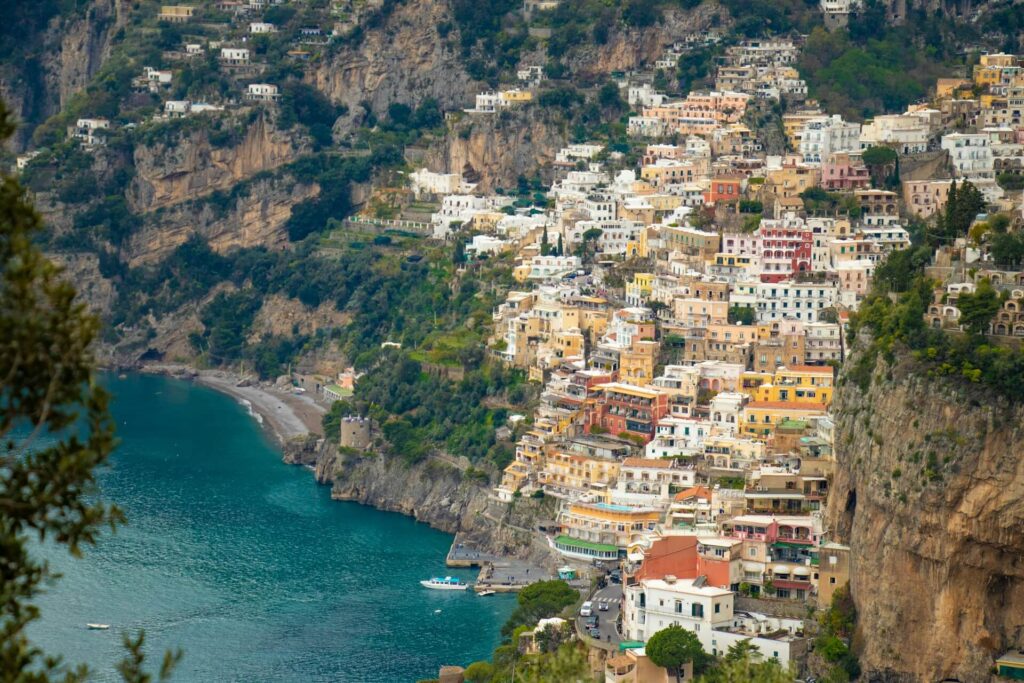
The beautiful towns of Sorrento and Amalfi sit on coastal cliffs of the Amalfi coast, offering amazing views where blue waters meet rocky shorelines. This visual beauty adds to the sensory experience of the region, creating a complete encounter that affects all your senses—a true expression of southern Italian beauty and character.
Explore our Italian Wine Guide.
Signature Wines of the Region
Campania’s wine landscape features notable examples like the intense, complex Taurasi and Aglianico del Taburno reds along with the bright, aromatic Fiano di Avellino and Greco di Tufo whites. These wines highlight indigenous varieties that flourish in the region’s volcanic soils, showing unique terroir qualities that can’t be replicated elsewhere.
Each glass contains centuries of tradition, from the plum-cherry notes of ancient Piedirosso to the tropical, floral complexity of Greek-introduced Falanghina. The region’s impressive four DOCG appellations contribute significantly to Italy’s premium wine portfolio, showcasing Campania’s commitment to quality and tradition.
Notable Wines
Campania’s five signature wines represent the core of this ancient winemaking region’s terroir and traditions. Each expression shows the volcanic complexity and Mediterranean influence that define these noble bottlings.
- Taurasi DOCG: Aglianico reaches its full potential here—structured tannins supporting dark fruit, leather, and spice notes that develop beautifully over decades of cellaring.
- Greco di Tufo DOCG: This concentrated white delivers pronounced minerality with almond, pear, and citrus notes underscored by a distinctive flinty character.
- Fiano di Avellino DOCG: Honeyed aromas give way to hazelnut and stone fruit, with remarkable aging potential uncommon in white wines.
- Lacryma Christi del Vesuvio: These aglianico and piedirosso blend wines offer bright cherry and herbal notes with the unmistakable minerality imparted by Mount Vesuvius’s slopes.
- Falanghina del Sannio DOC: The crisp acidity and vibrant floral profile make these wines perfect companions to the region’s seafood cuisine, showcasing the floral notes that characterize this ancient variety.
Hidden Wine Treasures of the Region
Campania’s wine scene offers overlooked treasures, including historically significant Falerno del Massico wines made from Falanghina and Aglianico blends.
Near Aversa, you can witness archaic methods used for Asprinio production or sample the distinctive volcanic characteristics of Caprettone from Vesuvius’s slopes. Some vineyards in the area have been transformed from land once controlled by organized crime into symbols of cultural reclamation.
Notable Wines
Campania’s lesser-known wine varieties offer remarkable experiences for those who explore beyond the famous DOCGs. In the Alto Casertano the ancient Pallagrello Bianco provides textured complexity and aromatic qualities that reflect the region’s viticultural past. The fertile soil surrounding Mount Vesuvius contributes significantly to the distinctive character of these indigenous grapes.
- Casavecchia: A rediscovered red variety with strong tannic structure, dark fruit and earth notes.
- Asprinio: Known for sharp acidity and citrus freshness, traditionally grown on living poplar trees.
- Coda di Volpe Bianca: Produces golden-hued wines with subtle almond hints and a full mouthfeel.
- Caprettone: Often confused with other varieties but truly distinct, offering mineral-driven expressions with volcanic character.
These native grape types, grown in volcanic soils for centuries, represent the true character of Campania’s wine heritage—each taste connects you directly to this ancient tradition.
Geography, Terroir, and Climate
Campania sits in southwestern Italy alongside the Tyrrhenian Sea, featuring varied landscapes that shape its wine character. The region contains coastal plains and mountain ranges, including the Apennines and Mount Vesuvius near Naples.
Volcanic heritage gives the soils distinct mineral qualities, especially the tuff rock found in Greco di Tufo areas, which contributes to the wine’s mineral profile. These soils, created by ancient volcanic activity, produce wines with notable structure and depth.
The climate varies across Campania—coastal sections have typical Mediterranean weather with warm summers and mild winters, while inland areas show more continental patterns. Higher altitude vineyards maintain important acidity in grapes, and sea air helps moderate temperatures. This balance between Mediterranean warmth and cooler mountain influences creates ideal conditions for Campania’s notable white varieties and the robust reds.
History
Campania’s wine history extends to ancient civilization, where viticulture began under Greek influence in the 8th century BC. As these settlers founded Neapolis (modern Naples), they introduced indigenous grape varieties that later became favorites among Romans. Plinio il Vecchio’s texts confirm the region’s wine reputation during Imperial times.
Throughout medieval periods, monasteries maintained viticulture practices despite Norman and French rule. The Romans aptly named this fertile territory Campania Felix for its agricultural abundance.
The late 19th century brought renewal through local families who preserved native grapes against international varieties. Their commitment to Aglianico, Greco, Fiano, and Falanghina maintained connections to ancient systems of growth in cultivating vines in very old vineyards.
Important wine-growing areas
Campania features several wine-growing territories, including Il Casertano and Napoli on the mainland, along with the island areas of Ischia and Capri.
The mountainous Irpinia serves as the region’s primary wine center, where high-altitude vineyards yield many of Campania’s DOCG wines. Each territory expresses unique characteristics through the combination of volcanic soil, sea breezes, and elevation that shapes their distinct viticultural profiles. The Taurasi zone within Irpinia is particularly recognized for producing exceptional wines from late-ripening Aglianico grapes, which are often harvested as late as November.
Il Casertano
Northern Campania hosts Il Falerno del Massicio DOC, a famous coastal wine that blends Aglianico and Primitivo for the reds and Falanghina for the whites.
The region preserves ancient grape varieties saved from extinction—Pallagrello Bianco and Nero, Casavecchia, and the extremely scarce Coda di Pecora—each carrying tales of their old history and survival against phylloxera. Many vines continue to grow on their original roots or wild rootstock, maintaining genetic authenticity in the Alto Casertano area. The revival focuses on organic methods that respect tradition while capturing Alto Casertano’s characteristic minerality.
The Aversa Asprinio wines clearly express their origins in their name: the whites present citrus-floral scents with notable freshness
Napoli
Volcanic influences shape wine production near Napoli, where Vesuvius’s ancient soils give distinctive minerality to the region’s native grape varieties. Campi Flegrei DOC offers terroir-driven expressions with Falanghina grapes, producing brisk, saline whites that reflect the Tyrrhenian’s maritime character.
In Vesuvio DOC, both Aglianico and Piedirosso (locally known as “Per’ e Palummo”) grow on steep, ash-rich slopes. These vines benefit from cooling mountain breezes, creating structured reds with notable elegance. The Mediterranean climate—mild winters paired with sun-drenched summers—provides ideal ripening conditions. The Lacryma Christi wines, crafted primarily from Piedirosso grapes, blended with Aglianico represent one of the area’s most iconic wines
Ischia
The ancient island of Ischia sits as a viticultural gem within Campania, holding Italy’s second-oldest DOC designation (established 1966) with winemaking roots dating to 700 BC when Romans called it Enaria.
Vineyards grow on Mount Epomeo‘s terraced slopes, where the tufo verde soil and cooling sea breezes create wines with distinctive character. Local varieties flourish here—Biancolella and Forastera yield golden-hued whites showing delicate floral notes, while Piedirosso creates medium-bodied reds with dark fruits and violet aromas, developing gamey complexity as they age.
The steep terrain requires creative solutions during harvest; rack-and-pinion trolleys help transport grapes. Stainless steel fermentation is common to maintain the grapes’ natural qualities—an approach that preserves Ischia’s unique maritime-volcanic character in the wines.
Irpinia
Irpinia stands as the heartland of Campania’s most acclaimed wines, located within Avellino province in the lower Apennine mountains. This area features a continental climate with significant day-night temperature variations that nurture the region’s distinctive grapes.
In the area of Avellino Irpinia has three DOCGs: Taurasi (from Aglianico), Fiano di Avellino, and Greco di Tufo—the latter two producing mineral-driven whites of remarkable finesse. The area’s winemaking is deeply influenced by ancient Greek colonization, which established many viticultural traditions still honored today. The Taurasi is one of the best expression of Aglianico in Italy with structured and complex wines with bold tannins that show a magnificent longevity
The volcanic and limestone-clay soils give clear terroir characteristics to these wines. This ancient land of the Hirpini tribe offers authentic culture without excessive tourism—a genuine Italian wine experience.
The area of Benevento is living a new reinassance focusing on quality and increasing the level of wines like the Aglianico del Taburno DOCG or the sweet and spicy Sant’Agata dei Goti Passito
Capri
Located in the clear waters of the Tyrrhenian Sea, Capri forms a unique viticultural microclimate within Campania’s wine region. This island received DOC status in 1977, securing its position in the area’s wine history.
Vineyards exist on steep terraces, where traditional pergola systems allow proper airflow—important for managing humidity from Mediterranean influences. Falanghina and Greco Bianco grow well in Capri Bianco, while Piedirosso (minimum 80%) forms the basis of the red-skinned, structured Capri Rosso.
Cilento
Cilento stretches across southern Campania from the Tyrrhenian coast to the Alburni Mountains, creating a UNESCO World Heritage landscape that adds to the northern wine regions of the province. The DOC was established in 1989, covering 59 municipalities with various microclimates and terroirs from clay to volcanic soils.
The region offers unique wines from just 82 hectares of vineyards producing wines from many different grape varieties.. Cilento’s characteristic wines include whites primarily made from Fiano (60-65%), with Trebbiano and Greco/Malvasia additions. The region benefits from the Tyrrhenian Sea proximity which helps maintain acidity in the wines. The reds highlight Aglianico‘s structure (60-75%) complemented by Piedirosso and Primitivo and also international grapes such as Cabernet sauvignon and Merlot.
Sorrento peninsula and Amalfi coast
The maritime Mediterranean climate combined with mountain influences, creates ideal conditions for wines produced in one of the most beautiful coastal areas of Italy.
In the area of Furore and Tramonti the producers of Costa d’Amalfi DOC grow unique vineyards hundreds of years old, shaped like trees on spectacular terraces on the sea.
Very rare varieties like Tintore, Pepella, Fenile, Ripoli and Biancazita are grown in a peculiar terroir representing an impressive biodiversity producing elegant and powerful wines.
Main Grape Varieties
Campania’s viticultural identity features indigenous varieties like Aglianico del Taburno, which produces structured reds with pronounced tannins. The rare Pallagrello bianco is noted for its minerality and tropical fruit notes.
The resurrected Casavecchia is an authentic gem with dark berry flavors, while Greco nero contributes complex spice characteristics to regional blends. The vibrant Piedirosso, locally called “Per’ e palummo” (pigeon’s foot), delivers bright red fruits and subtle herbal nuances that express Campania’s volcanic terroir. Fiano, with its over 2000 years of cultivation history in the region, produces dry, full-bodied white wines characterized by distinctive citrus and floral notes.
Aglianico
The Aglianico grape stands as the primary component of Aglianico del Taburno, and Taursi forming the core of this DOCG’s character. This notable variety shows its full potential in this region, growing in the volcanic soils rich with minerals while benefiting from the Mediterranean climate. The unique terroir of the region includes vineyards situated across varying elevations that create distinct microclimates.
Here, in the Irpinia areas of Avellino and Benevento, the Aglianico expresses its best. Harvested late in October sometimes in November, it shows its identity in the power of strong tannins and high acidity, but, after a long evolution that in the best vintages of Taurasi can last over twenty years, in the Riserva type it can offer significant complexity: full-bodied, dark fruit with tobacco and spicy notes of cinnamon, a powerful structure where tannins and acidity are softened by the ageing.
Pallagrello bianco
Pallagrello bianco almost vanished a few decades ago but now represents one of Campania’s most interesting viticultural returns. This ancient grape grows mainly in Caserta province, where its compact bunches with small, pruinose-skinned berries produce approximately 70-80 quintals per hectare. The identification of this variety was a significant discovery as it had been confused with Coda di Volpe for many years. The wines show notable complexity—steel-fermented versions display straw-yellow colors with fresh apple, pineapple, and melon notes, while aged expressions develop exotic fruit, acacia honey, and toasted almond characteristics.
The taste of Pallagrello Bianco offers a soft, balanced palate with long-lasting flavors. Its rich texture and aromatic complexity showcase the best qualities of Campania’s native white varieties—a testament to the region’s wine heritage.
Casavecchia
Rich in history and character, Casavecchia is one of Campania‘s most intriguing red grape varieties, primarily grown in Caserta province. Its rediscovery from an ancient vine stump that survived phylloxera has transformed it into a treasured indigenous grape.
These vigorous vines produce sparse, large grape clusters that naturally resist disease, thriving in clay-dominant soils. Harvest occurs in mid-October, resulting in wines with soft, high tannins and remarkably low acidity—suitable for long aging.
In the glass, Casavecchia shows luscious raspberry and strawberry notes paired with distinct minerality and a velvety mouthfeel. The grape is known for its high anthocyanin levels which contribute to its rich color and aging potential. Though production remains limited due to its naturally low yields, this ancient variety once praised by Pliny continues to be part of Campania’s diverse viticultural heritage.
Piedirosso
Piedirosso represents one of Campania’s native red grape varieties, carrying historical importance and exhibiting a character shaped by the region’s volcanic soils. Its history extends to the 1st century when Pliny referred to it as “Colombina.” The name derives from its red-colored stems that resemble pigeons’ feet.
The grape grows mainly in the Mount Vesuvius area, flourishing in volcanic terrain. The resulting wines show deep ruby colors with violet hints and feature flavors of plum, cherry, and wild berries, alongside subtle espresso and damp earth notes. With bright acidity and gentle tannins, it offers a more accessible profile compared to Aglianico. The vine shows fair disease resistance particularly against powdery mildew and Botrytis.
Piedirosso plays an important role in Lacryma Christi del Vesuvio DOC and serves effectively in blends to moderate Aglianico’s tannic intensity. These mineral-rich, slightly saline wines pair well with pasta dishes, grilled meats, or sheep cheese.
Falanghina
Falanghina has ancient Roman origins and remains one of Campania’s most valued white grape varieties. Historical evidence suggests it played a role in Falernian wines, once favored by Roman emperors.
Two primary types exist—Falanghina Flegrea and Beneventana—both flourishing in the region’s volcanic soils. This specific terroir gives the wine its characteristic minerality, complementing its bright acidity and aromatic profile. The revival of this grape variety in modern times, particularly in the Campania region, has reestablished its prominence in Italian winemaking. The wine presents lively notes of apple, pear, exotic citrus, and gentle pine hints.
Falanghina is traditionally fermented in stainless steel to maintain its subtle qualities, though some production methods now include oak aging and lees contact for greater complexity.
Tintore
Hidden within the terraced vineyards of the Amalfi Coast, Tintore remains an exceptionally rare viticultural treasure that has barely survived modern wine industry pressures. This ancient grape variety grows primarily in Tramonti valley, where pre-phylloxera vines centuries old produce only about 1000 bottles annually.
The glass reveals a deep ruby-purple color with an intimate bouquet of blackberries, forest floor, and chalky minerality. These aromas continue onto the palate, complemented by pleasant tannins that provide structure to its velvety texture. After aging 18-24 months in steel and another 6 months in bottle, this 14% ABV IGT Campania Rosso develops significant body and aging potential.
Coda di Volpe
The fox-tailed grape clusters of Coda di Volpe, named literally for their resemblance to a fox’s bushy appendage, grow across Campania’s diverse terroirs. This ancient variety was valued in Roman times and has kept its importance throughout the centuries.
These adaptable vines grow mainly in Avellino, Benevento, Napoli, and Caserta provinces, where they yield light-bodied wines with moderate production and naturally low acidity. The wines present stone fruit and citrus notes with distinctive mineral finishes—reflecting Campania’s volcanic soils. The grape ripens late in season and requires immediate skin removal after pressing due to its thick-skinned berries.
While traditionally used in blends for DOCs like Campi Flegrei and Greco di Tufo, single-varietal Coda di Volpe wines are gaining recognition.
Greco
Among Campania’s noble white varieties, Greco represents the region’s ancient viticultural heritage. It grows primarily in Avellino, where it reaches its highest quality in the mineral-driven Greco di Tufo DOCG. Despite its name it doesn’t have a Greek origin but it’s instead one of the oldest indigenous grape varieties grown in Italy; some studies suggest kinship with Asprinio. These old grape vines are grown in the Etruscan style, growing high onto the holder rod that is sometimes an alive tree in the “viti maritate” system of growth.
The wines made from Greco are known for their fresh, herbal notes,white flowers and minerality.
Fiano
Fiano represents one of Campania’s most respected white grape varieties, with a distinguished history potentially connected to the ancient Roman wine Apianum. The name possibly comes from Ligurian Apuan settlers who moved to the area.
Fiano grows mainly in Campania’s volcanic soils, especially in Avellino, where it reaches its finest expression as Fiano di Avellino DOCG. These wines offer rich orchard fruits, smoky minerals, and subtle floral notes, often developing interesting hazelnut characteristics as they age. The grape was historically called vitis apiana because of its appeal to bees attracted to the sweetness of the berries.
Asprinio
Asprinio, a historic white variety from Campania, features a distinctive viticultural tradition and unmistakable character. These vines grow dramatically up poplar trees in the “viti maritate” system, reaching 30-45 feet high and requiring challenging harvesting on traditional “scale napoletane” ladders.
DNA studies show Asprinio is genetically identical to Greco, yet maintains its own identity in the Aversa DOC. The variety grows well in sandy soils that have historically protected it from phylloxera. This indigenous grape transitioned from wild to domesticated cultivation during the Etruscan period. The wine appears straw yellow with green reflections and has pronounced acidity, making it suitable for both still and sparkling expressions. The wines offer citrus-forward aromatics and significant aging potential—sometimes exceeding ten years—particularly when produced as structured spumante.
Sciascinoso
Sciascinoso stands as a distinctive red grape in Campania’s viticultural landscape, living somewhat in the shadow of the region’s more famous varieties. This grape contributes significantly to local wine diversity and grows primarily in Benevento province, where it forms an important part of the Sannio Guardiolo Sciascinoso DOC.
The vine shows vigorous growth yet produces surprisingly modest yields. However, it concentrates its energy on creating wines, which were described as full-bodied with strong tannins in error. In fact, Sciascinoso wines are typically dry, savory, and low in tannins.
The Guardiolo Sciascinoso Spumante or Metodo Classico offers a sparkling version.
Overview on appellations system
Campania’s wine hierarchy follows Italy’s appellation system, which categorizes wines based on quality standards and geographical origins. The structure includes DOC (Denominazione di Origine Controllata) and DOCG (Denominazione di Origine Controllata e Garantita) classifications established in the 1960s to maintain regional authenticity.
Campania features four DOCG appellations: Aglianico del Taburno, Fiano di Avellino, Greco di Tufo, and Taurasi. These represent the highest quality level, with strict production requirements focused in areas like Irpinia and Taburno. Additionally, 15 DOC designations exist across various terroirs from volcanic Campi Flegrei to coastal Amalfi vineyards.
Each appellation highlights native grape varieties—Aglianico is prominent in red wines while Fiano, Greco, and Falanghina are important for whites. The region’s diverse soils and microclimates produce wines with characteristic minerality and complexity unique to this area. The region currently cultivates approximately 63,000 acres of vineyards spread across these appellations, showcasing Campania’s significant commitment to viticulture.
3 Wine Destinations for a Perfect One-Day Trip
Naples’ coastal routes showcase salt-kissed terroirs where Falanghina and Biancolella grow against striking Mediterranean backgrounds, paired perfectly with fresh seafood.
Mount Vesuvius offers exceptional wine experiences with organic wines produced on its mineral-rich slopes.
Avellino’s compact vineyard circuit lets you sample the region’s wine variety in one day, with tastings often held in historic buildings where traditional methods remain central.
Amalfi Coast wines
Driving on one of the most scenic routes in the world, with breathtaking views over the sea and surrounded by lemon trees and lovely villages like Amalfi and Positano, you can also taste wines from very old vineyards – some over hundreds of years old, planted before phylloxera and still ungrafted.
Here, vineyards look like terraced gardens overlooking the sea, with wines almost resembling trees with centenary trunks. It’s simply unique. You’ll be welcomed by local farmers who will love to share their wines and history, and you’ll enjoy a delicious lunch prepared at the winery.
Pompei visit and winery on the Vesuvio foothills
Once in Naples, you cannot miss Pompei. This spectacular site, with its wonderfully painted walls, mosaics, and numerous archaeological remains of daily life, deserves a guided visit.
On the foothills of Vesuvius, in the Vesuvius National Park, you can taste wines produced from old, non-grafted vines and enjoy delicacies prepared at the winery with local ingredients.
Irpinia and Avellino Vineyard
Inland from Naples‘ coastal wine areas, the rolling hills of Avellino offer great opportunities for exploring local vineyards just 50 kilometers east of the city. This small wine region is known for its native grape varieties – Fiano, Greco, Aglianico, and Falanghina – grown across beautiful landscapes.
Ancient vineyards and cellars are dug into the tuff mountains, where traditional methods blend with modern techniques. High altitude, good sun exposure, and volcanic soil make this a perfect place for growing vines.The minerality of Fiano di Avellino DOCG and the structured elegance of Aglianico Taurasi reds showcase Avellino’s unique soil characteristics, giving you an authentic taste of Campania‘s wine heritage. Complete your wine experience by sampling the region’s excellent seafood, which pairs well with the crisp acidity of local white varieties such as Greco di Tufo.
3 Traditional Dishes You Must Try
When visiting Campania, you’ll find Pasta alla Genovese, a rich onion-based sauce that pairs well with local cuisine.
Neapolitan Pizza features a soft, pillowy crust with minimal yet flavorful toppings and stands as a cornerstone of Campanian street food. This UNESCO-recognized culinary tradition combines fresh local ingredients to create Italy’s most famous comfort food.
Mozzarella di Bufala, offering milky-fresh flavor and delicate texture, provides a cooling contrast to the region’s tomato-based dishes.
Pasta Alla Genovese
Among Campania’s traditional culinary treasures, Pasta alla Genovese represents a curious contradiction: a dish bearing Genoa’s name while being firmly established in Neapolitan tradition. This intriguing sauce demands patience—3 to 6 hours of slow cooking transforms simple ingredients into something extraordinary.
The recipe requires large quantities of onions, affordable beef cuts like chuck roast, and aromatic vegetables that combine through careful reduction. Despite its name suggesting Genoese origins, this beloved dish is actually a Neapolitan favorite from the Campania region. The extended cooking process creates a sauce with remarkable depth, where softened onions and tender beef produce a rich flavor composition balanced by dry white wine‘s acidity.
Typically paired with ziti, rigatoni, or paccheri, this weekend family dish goes well with Greco di Tufo.
Neapolitan Pizza
No pizza in Italy holds more esteem than the authentic Neapolitan pizza, a food tradition that began with simple origins to become perhaps the most recognized symbol of Italian gastronomy worldwide.
A true Neapolitan pizza features a paper-thin center (never exceeding three millimeters) and puffy, charred cornicione. The dough—a basic mixture of Tipo 00 flour, water, salt, and yeast—ferments for 24 hours, creating rich flavors. In wood-fired ovens reaching 900°F, it cooks in just 90 seconds. This traditional preparation has been recognized by UNESCO as heritage, highlighting its cultural significance beyond mere cuisine.
The classic Margherita presents San Marzano tomatoes, fior di latte (or fine mozzarella di bufala), fresh basil, and extra virgin olive oil. While options exist—like the cheese-free Marinara or simple Bianca—all follow TSG standards, guaranteeing each bite delivers the taste of Campania.
Mozzarella Di Bufala
Mozzarella di Bufala Campana DOP stands as the crown jewel of Campania’s gastronomic legacy, representing dairy craftsmanship at its finest. This protected treasure, made from the milk of Italian-Mediterranean water buffalo, shows its excellence through a pure white exterior that yields to a flaky interior. When cut, authentic bufala releases “la goccia”—a singular drop of milky whey that signals impeccable quality.
The true character of this delicacy comes through in traditional dishes like Caprese salad, where its mild sourness and rich milkiness complement sun-ripened tomatoes. The simplicity of the Caprese perfectly embodies Italian cuisine’s philosophy of quality ingredients speaking for themselves. For an authentic experience, visit areas south of Naples to observe production firsthand, where artisans still shape curds by hand, preserving techniques that date back to the 12th century.