Lazio Wine Region: Complete Guide
Located in central Italy, Lazio represents one of the country’s most historically significant wine regions. This territory, which includes Rome, features varied landscapes from volcanic hills to coastal plains. Wine production in the area dates back to Etruscan times, with Roman influence later extending viticulture across Europe. The region’s national prominence significantly increased in the 1870s when Rome became the capital of Italy.
Lazio’s wines reflect a Mediterranean climate tempered by the Tyrrhenian Sea. The volcanic soils of the Alban Hills give specific characteristics to local wines. As Italy’s seventh-largest wine producer, the region has over 30 DOCs and important DOCG appellations such as Cesanese del Piglio.
Native grape varieties are predominant in this region—Malvasia and Trebbiano for white wines, Cesanese for red wines— although international varieties like Cabernet Sauvignon are also grown. In recent decades, the region has experienced a renewal, with increased attention to indigenous grapes and sustainable practices.
Explore our Italian Wine Guide.
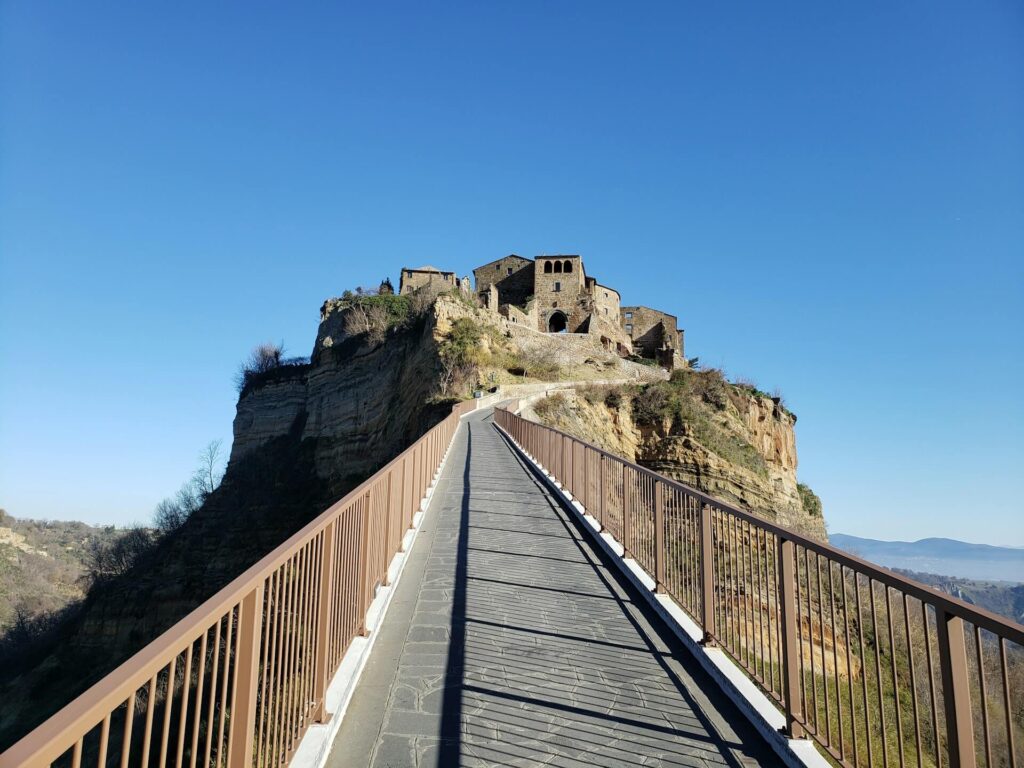
Signature Wines of the Region
Lazio’s wine portfolio includes various appellations that show the region’s character. Frascati DOC is the typical Lazio white wine with peach and lemon zest notes, while Cesanese del Piglio DOCG is the region’s main red wine offering tobacco and blueberry flavors.
The historic Est! Est!! Est!!! di Montefiascone DOC and mineral-driven Orvieto also represent Lazio’s wine variety, with many influenced by the volcanic soil of the region. Wine production in the region has flourished for over 3,000 years, creating a rich viticultural heritage that continues to evolve.
Notable Wines
The Lazio region produces several notable wines recognized internationally. These wines reflect Roman traditions while highlighting the area’s volcanic soil characteristics.
- Frascati DOC – This light-bodied white features crisp acidity with gentle notes of green apple and citrus. Primarily made from Malvasia grapes grown in the Alban Hills, it serves as a typical Roman aperitif. The region’s volcanic soils contribute significantly to the wine’s distinctive minerality and structure.
- Cesanese del Piglio DOCG – As Lazio’s sole DOCG, it yields a rich, slightly bitter red wine with dark fruit notes and earthy qualities. The native Cesanese di Affile grape does well in Piglio’s specific microclimate.
- Est! Est!! Est!!! di Montefiascone DOC – This traditional white from Lake Bolsena’s area offers refreshing apple flavors and strong minerality, showing the influence of ancient volcanic soils on its vines.
Lazio wines offer more than just the well-known Frascati and Cesanese varieties. The region contains numerous overlooked options worth trying.
Indigenous Bellone grapes yield whites featuring distinct Asian pear and papaya characteristics, particularly from areas near Rome. Other regional specialties include Moscato di Terracina grown in Latina’s sandy coastal terrain and rich reds from the volcanic soils of Colli Albani. The region benefits from maritime breezes that contribute to the distinct flavors and acidity profiles of these wines. These less familiar selections highlight the true range and quality available throughout Lazio.
Notable Wines
The lesser-known treasures of Lazio’s wine scene remain largely unexplored by international enthusiasts, offering a haven for curious wine lovers. Going beyond Rome’s shadow, you’ll find notable indigenous varieties flourishing in Lazio’s varied terroirs, from volcanic hills to coastal plains.
- Bellone – This ancient white variety offers crisp acidity, subtle spice, and stone fruit notes, especially expressive when grown in mineral-rich volcanic soils. These distinctive profiles are enhanced by the region’s volcanic soils which contribute significantly to the wine’s complexity and unique mineral character.
- Nero Buono di Cori – A distinctive red from the Latina province presenting firm tannins, dark fruit concentration, and a characteristic peppery finish that works wonderfully with regional cuisine.
Geography, Terroir, and Climate
Lazio’s unique wine character comes from its varied geography and climate. In central Italy, this region contains diverse landscapes ranging from limestone mountains to volcanic hills and coastal plains along the Tyrrhenian Sea.
The geological diversity is notable—volcanic soils in the Alban Hills provide good drainage and mineral content, while limestone and tufa deposits in other areas help maintain acidity in white grapes. These conditions support native varieties such as Cesanese, Malvasia, and Trebbiano, each finding suitable growing environments. The region’s most famous viticultural area, Castelli Romani, features volcanic soils that are particularly ideal for producing high-quality grapes with distinctive mineral characteristics.
The Mediterranean climate brings hot, dry summers and mild, rainy winters, with sea influences moderating coastal areas. Temperature differences between day and night help grapes ripen evenly while maintaining acidity. Various microclimates exist across Lazio’s five provinces due to elevation changes and proximity to the sea, allowing each subregion to produce wines with distinctive characteristics.
History
Lazio’s deep connection with wine extends back thousands of years. The Etruscans started growing vines in this region before Rome was established. As Rome grew into an empire, wine production became more systematic, with Lazio’s vineyards providing wine to Rome’s numerous taverns.
During the Middle Ages, Catholic monasteries maintained winemaking knowledge throughout Europe’s challenging periods. Their vineyards were common features across the landscape, sustaining wine’s importance economically and culturally, despite the generally poor quality produced during those times.
The late 19th century brought a crisis with phylloxera, requiring extensive replanting. After World War II, Lazio’s wine production experienced renewal, with greater attention to quality rather than quantity. This approach is now most apparent in the renewed interest in local grape varieties such as Cesanese and Malvasia.
Traditional stories like Est! Est!! Est!!! di Montefiascone—named after a traveler’s enthusiastic marking system—illustrate how wine forms an integral part of Lazio’s cultural identity, strengthening links between historical and contemporary practices. The Romans played a crucial role in industrializing wine production throughout their vast European territories.
Important wine-growing areas
Lazio’s wine landscape features five distinct regions that shape the area’s wine character. The Tuscia e Maremma Laziale in the north and the volcanic Castelli Romani south of Rome offer different soil conditions, while the Colli Albani hills yield the noted Frascati and Marino whites.
Montefiascone, where the historic Est! Est!! Est!!! is produced, and Cesanese del Piglio, Lazio’s first red wine DOCG, round out the region’s varied wine-growing areas. The region’s ancient winemaking traditions continue to influence modern production techniques while showcasing Lazio’s unique terroir.
Tuscia e maremma laziale
The ancient territories of Tuscia and Maremma Laziale stand as two of Lazio’s most important wine-growing areas, each featuring unique terroirs that influence their wines’ characteristics.
In northern Lazio, Tuscia yields notable white wines including Bianco Vergine della Tuscia, made from Trebbiano Toscano and Malvasia del Lazio. These pale straw-colored wines offer citrus and white peach aromas, while volcanic soils contribute a distinct mineral finish. The area’s winemaking traditions reflect ancient Etruscan influences that have shaped the region’s viticulture for centuries.
The Maremma Laziale, along the Tyrrhenian coast, benefits from a Mediterranean climate with varied soils supporting both traditional and modern wine production. The Maremma DOC, established in 2011, acknowledges the region’s special qualities. The area produces excellent varietal wines, particularly Cabernet Sauvignon reds and refreshing Trebbiano and Vermentino whites that reflect this ancient land’s essence.
Castelli Romani
Located in the Colli Albani hills southeast of Rome, Castelli Romani represents one of Lazio’s most historically significant wine regions. This group of 14 quaint villages has been a summer retreat for Roman nobility since ancient times, when poets such as Horace praised its wines.
The vineyards reach altitudes of 600 meters, where volcanic soils from extinct volcanoes provide exceptionally fertile growing conditions. The cooler climate produces crisp whites primarily from Malvasia and Trebbiano, while reds include Sangiovese, Cesanese, and Montepulciano. Frascati DOC, one of the region’s most celebrated appellations, produces fresh and crisp flavors characteristic of Lazio’s white wines.
Traditional “fraschette” offer samples of straightforward, accessible wines with DOC status. Although historically quantity sometimes took precedence over quality, contemporary techniques have notably improved Castelli Romani’s products, with the area now producing over 8 million bottles yearly.
Colli albani
Colli Albani stands as a defining viticultural landscape within Castelli Romani in the Lazio region. This DOC, established in 1970, is located southeast of Rome in extinct volcanic terrain that creates its characteristic terroir.
The wines of Colli Albani are made primarily from Malvasia Bianca di Candia and Trebbiano grapes, complemented by Malvasia del Lazio. These varieties appear in still, sparkling, and novello styles across different sweetness levels, with superior options available for wine enthusiasts.
The Mediterranean climate, moderated by Tyrrhenian Sea breezes, supports vineyards that produce approximately 1,675 hectoliters each year. The area features Lake Albano—an ancient volcanic crater that provides both a scenic setting and influences the microclimate for these historic vineyards.
Montefiascone
Montefiascone sits prominently in Viterbo province as one of Lazio’s most historically significant wine territories, overlooking the volcanic Lake Bolsena. This area is known for its Est Est!! Est!!! DOC, established in 1966, whose unusual name comes from a medieval German bishop’s enthusiastic approval of local wines.
The wine combines Trebbiano Toscano (locally called Procanico, 50-65%), Malvasia (10-20%), and Trebbiano Giallo (5-40%). Montefiascone‘s volcanic soils give distinctive character to these crisp whites, produced across seven communes covering 344 hectares. The region’s white grape varieties are particularly well-suited to the microclimate around Lake Bolsena. Several styles exist including dry Bianco, Spumante, and the more prestigious Classico style with stricter yield requirements. While popular in Rome for its accessibility, this wine remains somewhat overlooked internationally despite its rich heritage dating back to ancient times.
Cesanese del Piglio
While Montefiascone showcases Lazio’s volcanic-influenced whites, Cesanese del Piglio represents the region’s most prestigious red wine tradition. Located 30 miles east of Rome in the Ernici Hills, this DOCG produces distinctive reds from the indigenous Cesanese grape.
You’ll find medium-plus to full-bodied wines with cranberry, pomegranate, and plum notes complemented by wild game aromas and occasionally iron undertones. The region’s iron-rich clay soils contribute markedly to the wine’s character. Cesanese wines typically finish with a kale-like bitterness that becomes more apparent after a few sips.
Regulations require at least 90% Cesanese in blends, with Superior bottlings aged 18 months before release. This ancient variety, potentially pre-Roman, pairs beautifully with regional specialties like abbacchio, porchetta, and wild boar salami.
Production often involves stainless steel, concrete, or neutral oak to preserve Cesanese’s unique personality – a true taste of Lazio’s historical red wine heritage.
Orvieto
Orvieto sits at the edge of southwestern Umbria and northern Lazio, creating a distinctive wine-growing region with deep historical roots. Etruscan wine culture remains present, with ancient underground chambers still existing beneath the medieval streets.
The area’s tufa, limestone, and volcanic soils support mainly Grechetto and Trebbiano grapes. Grechetto adds body and fruitiness, while Trebbiano provides clean acidity. DOC regulations allow other varieties including Malvasia, Drupeggio, and Verdello. The Rosso Orvietano DOC also embraces a variety of red grapes including Aleatico and Sangiovese.
Though historically known for sweet dessert wines affected by noble Botrytis, Orvieto now mostly produces dry whites. The wines complement local black truffles and lentils perfectly. The moderate climate, influenced by Lakes Corbara and Bolsena, creates favorable conditions for these characteristic white wines.
Colli della Sabina
Located in the central area of Italy’s Rieti province, Colli della Sabina represents one of Lazio’s most characteristic wine territories. The landscape features vineyards across gentle hills, with medieval villages and ancient ruins that reflect the region’s wine history dating back to the 3rd century BC.
This area received DOC designation in 1996 and produces white wines primarily from Trebbiano and Malvasia di Candia (minimum 50%), while its red and rosé offerings feature Sangiovese (40-70%) combined with Montepulciano. The hot summers and cool winters, together with elevations about 50 miles from both seas, create wines with distinctive character. The local winemakers also produce various styles including white, red, sparkling, and spumante wines that showcase the region’s versatility.
When visiting, try pairing the local white wines with traditional pasta dishes and fresh cheeses, while the structured red wines complement the region’s notable porcini mushrooms and substantial meat preparations.
Cerveteri
The Cerveteri DOC lies along the Tyrrhenian coastline west of Rome, an area steeped in ancient Etruscan history. This region—formerly called Caere—received DOC status in 1974 and enjoys maritime breezes that temper the climate across its diverse coastal soils.
The white wines of Cerveteri feature Trebbiano Toscano and Malvasia, resulting in crisp, refreshing characteristics. Red varieties blend Montepulciano and Sangiovese, sometimes including Merlot or the traditional Cesanese grape. Annual production remains small at 93 hectoliters, with most wines consumed locally alongside traditional Roman dishes. The local population generally prefers table wines sold directly by producers or in plastic jars rather than the DOC varieties.
Visitors to Cerveteri should see the UNESCO-listed Banditaccia Necropolis—a testament to the area’s rich cultural heritage that goes beyond its wine traditions.
Frascati
Southeast of Rome lies Frascati, the principal white wine region of Lazio, with winemaking roots extending back 5,000 years. The area’s volcanic soils, rich in potassium, contribute to the distinctive character of these wines.
Regulations specify at least 70% Malvasia di Candia and/or Malvasia del Lazio in the blend, with Bellone Bianco, Bombino, Greco, and Trebbiano making up to 30%. The region offers several quality tiers—from Frascati DOC to the higher-status Frascati Superiore and Cannellino di Frascati DOCGs.
These wines typically show light-bodied characteristics with apple, floral, and citrus notes—ideal matches for Roman cuisine. Frascati Superiore DOCG demonstrates lower yields and higher alcohol content compared to its DOC counterpart. Though historically quantity was prioritized over quality, current production is trending toward more refined expressions from this ancient volcanic terroir.
Agro Pontino
South of Rome in the province of Latina, Agro Pontino represents one of Lazio’s most dynamic wine-growing areas despite its relatively recent viticultural development. Maritime breezes moderate the climate across its coastal plains and rolling hills, creating ideal conditions for both indigenous and international varieties.
The region has been producing wines since the mid-1900s, with a strong organic focus now present in many operations. The area excels with indigenous grapes like Bellone, Moscato di Terracina, and the distinctive Nero Buono, which produces impressive full-bodied reds. Both traditional and innovative winemaking approaches flourish here, with quality oak-aged reds gaining international recognition. Though less celebrated than other Italian wine regions, Agro Pontino offers exceptional value and authentic expressions of Lazio’s wine identity.
Main Grape Varieties
Lazio’s viticultural identity forms through its diverse range of grape varieties adapted to the region’s unique terroir. Malvasia’s floral aromas and Trebbiano’s mineral notes dominate the white wine landscape, particularly in the volcanic hills of Castelli Romani where they grow well.
Bellone shows promise for its sparkling potential, while Grechetto offers aromatic expressions with distinctive citrus and herbal characteristics. Along the coast, Moscato di Terracina develops complex sweet profiles influenced by maritime breezes.
Indigenous varieties like Malvasia Puntinata (with its characteristic rust-colored spots) and locally-named Trebbiano Toscano (“Procanico”) reflect Lazio‘s rich viticultural heritage. These grapes flourish in the region’s Mediterranean climate where day-night temperature variations preserve acidity, while volcanic soils provide exceptional drainage and mineral richness—elements present in signature blends like Frascati and Est! Est!! Est!!! di Montefiascone. The Cesanese grape variety contributes significantly to Lazio’s red wine portfolio, producing dark-colored, full-bodied wines with complex dark fruit and spice flavors.
Cesanese
Cesanese represents Lazio’s most important red variety, offering a distinctly Italian expression through its two primary biotypes: Cesanese Comune and the more prestigious Cesanese di Affile. These varieties appear in the region’s notable denominations: Cesanese del Piglio DOCG, Cesanese di Olevano Romano DOC, and Cesanese di Affile DOC.
The wines are typically medium-bodied with soft tannins, showing rich cherry flavors, floral notes, and subtle earthy undertones sometimes accompanied by red pepper characteristics. Heavy oak treatment doesn’t suit these wines, as it would mask their natural character.
Cesanese faces growing challenges due to its extremely late ripening. Historically, the grape was primarily used to create sweet red wines ranging from frizzante to spumante styles before the late 20th century shift toward dry still wines. The variety matches well with regional specialties like duck ragu and sausages with polenta. Though still underappreciated internationally, Cesanese’s unique profile is gradually gaining recognition in sophisticated wine circles.
Trebbiano giallo
Trebbiano Giallo exists as Lazio’s primary white grape variety, while Cesanese represents the region’s dominant red. This ancient white grape grows across central Italy but shows its best qualities in Lazio, where it serves as the foundation for important appellations including Frascati and Est! Est!! Est!!! di Montefiascone.
Trebbiano Giallo contributes crisp acidity and subtle aromatics to local wine blends. Often combined with Malvasia, it produces wines featuring refreshing minerality, gentle white flower notes, and subtle peach and citrus character. Though not intensely aromatic, the grape’s high acidity and low sugar levels result in dry, accessible white wines. The variety is particularly valued for its high yield capabilities, making it economically important for the region’s wine industry.
These wines are best served cold at 8-10°C to fully appreciate their subtle complexity. They pair excellently with local seafood, light pasta dishes, and fresh goat cheese—the natural acidity complementing these Mediterranean foods perfectly.
Grechetto
Grechetto stands as one of central Italy‘s most interesting white grape varieties, with notable cultivation across Lazio despite being more commonly associated with neighboring Umbria. Though Greek in origin, it has become thoroughly Italian, playing an important role in prestigious DOC wines throughout the region.
Grechetto offers a complex personality with a layered flavor profile—white peach, honeydew, and wild flowers combined with distinctive notes of pear, almond, and hints of seashell. Its full-bodied nature makes it remarkably versatile for food pairings, standing up well to tuna steaks and complementing various Indian dishes. The grape produces wines that are characteristically bone-dry with medium-high acidity.
While often blended with Trebbiano in Orvieto wines, Grechetto increasingly appears in single-varietal expressions that highlight its sensitivity to growing conditions. Look for organically cultivated versions that follow EU regulations, offering pure expressions of this grape’s potential. Though less internationally recognized than other Italian varieties, Grechetto rewards curiosity with its depth and nuance.
Moscato di Terracina
Moscato di Terracina stands as one of Lazio’s most distinctive aromatic treasures, earning DOC status in 2007 after centuries of cultivation in the region’s red clay soils. This versatile Muscat variety thrives in the Terracina area, producing wines in multiple styles from bone-dry to lusciously sweet passito expressions.
The wine presents an intoxicating bouquet of rose, apricot, yellow exotic fruits, and subtle Mediterranean herbs. With approximately 42 hectares under cultivation, production remains relatively intimate at around 21,400 cases annually. Typical bottles contain 12.5% alcohol content and offer a medium-bodied experience with harmonious balance.
For the best experience, try the dry or semi-sweet versions, serving them properly chilled between 8-10°C. These wines shine alongside blue cheeses and fruit-based desserts, though the dry versions pair surprisingly well with local seafood dishes. The versatility continues with frizzante and spumante expressions that showcase the grape’s naturally aromatic character.
Malvasia del Lazio
Throughout the rolling hills of Castelli Romani, Malvasia del Lazio stands as Lazio’s quintessential white grape variety. Also known as Malvasia Puntinata (named for the small dot visible on each grape), this variety thrives in the volcanic soils surrounding Rome.
The wines show a bright golden yellow color with an enticing aromatic profile of floral notes, tropical fruits, and distinctive minerality. The palate reveals green apple, ripe apple, and mirabelle plum nuances underpinned by fruity-balsamic characteristics. These wines are pleasantly dry with exceptionally little residual sugar, creating a refreshing experience.
Typically hand-harvested and fermented in stainless steel, Malvasia del Lazio appears in notable DOCs including Frascati, Marino, and Colli Albani, often blended with Trebbiano to create elegant expressions.
Serve these wines at 8-10°C alongside asparagus salads, or simple seafood dishes to appreciate their subtle complexity.
Malvasia di Candia
Lazio’s Malvasia Bianca di Candia is the region’s most widely planted Malvasia variety, distinct from its cousin Malvasia del Lazio. This historic grape traces its origins to Greece, likely from Monemvasia or Crete’s Malevizi district, before spreading throughout the Mediterranean during Venetian trade dominance.
The vines show medium-sized, five-lobed leaves with glossy green tops and velvety undersides. The pyramidal bunches feature golden-yellow, spheroidal berries with thick skins and juicy pulp that deliver a pleasing Muscat character.
In the glass, you’ll find light straw-yellow wines with complex aromas of exotic fruits like pineapple and peach. Also known as Malvasia Candida Aromatica, this variety adds distinctive aromatic properties to regional blends. Modern production often includes cryomaceration and steel tank aging to preserve freshness. These crisp, light-bodied wines thrive in Lazio’s volcanic soils and Mediterranean climate, featuring prominently in Frascati DOC and DOCG blends alongside Trebbiano. They pair well with seafood, fresh cheese and cured meats.
Trebbiano toscano
Trebbiano Toscano represents one of Lazio’s most important grape varieties despite its Tuscan origins, with widespread recognition throughout central Italy. This early-budding, late-ripening variety grows well in Lazio’s volcanic soils, particularly in the elevated vineyards of the Alban Hills where cooler temperatures help maintain its natural acidity.
Trebbiano Toscano wines typically show light-bodied character with zesty acidity, offering delicate citrus and green apple notes alongside subtle almond and floral undertones. The grape’s high acidity also makes it an ideal base for distillation in other regions. Modern production methods often involve cold fermentation in stainless steel to preserve freshness, though some approaches include oak aging.
Historically included in mass-produced blends with local varieties like Malvasia, current quality-focused approaches now highlight Trebbiano’s potential through careful yield management. These wines pair excellently with seafood dishes and summer salads, and are best enjoyed young and chilled.
Trebbiano verde
Trebbiano Verde represents a distinct variety that’s often misidentified in Lazio’s vineyards, commonly confused with Trebbiano Toscano. Research shows limited recognition of this specific term, with Trebbiano Giallo being more prevalent in regional classifications.
The volcanic soils of Lazio give unique characteristics to these grapes, often eliminating the need for sulfites in production. The wine presents a delicate aromatic profile featuring pear, apple, and subtle floral notes, with invigorating citrus elements. Many producers utilize stainless steel tanks during aging to preserve the wine’s freshness and distinctive flavor profile.
Trebbiano Verde-based wines pair well with seafood pastas and traditional Lazio dishes like Amatriciana. Their medium-light body and vibrant acidity cut through rich flavors while maintaining balance.
Merlot
Merlot cultivation in Lazio represents a specific viticultural expression, showing the grape’s adaptability to the region’s volcanic terroirs. Lazio’s Merlots have distinctive profiles with deep ruby-red colors and complex aromas of ripe berries, plum, and subtle spice notes.
Quality-focused approaches have emerged in the region, with different interpretations of the variety through family traditions and technical innovations. The volcanic soils of Castelli Romani give remarkable minerality and depth to these wines.
These Merlots pair well with pasta with rich meat sauces, traditional meat dishes, and mature cheeses. Their soft tannins and harmonious structure create versatile pairing options for both casual and special occasions.
Though less exported than other Italian reds, Lazio’s Merlots offer good value and are gaining recognition for their distinctive character, balanced acidity, and persistent finish that stays pleasantly on your palate.
Cabernet Sauvignon
The volcanic soils of Lazio have increasingly accepted Cabernet Sauvignon vines, marking a change in the region’s viticultural landscape. This international variety thrives particularly in Castelli Romani, where potassium-rich volcanic terroir adds to its structure and complexity.
The practice often involves blending Cabernet with native Cesanese to create wines of distinctive character. Similar to the quality-focused transition seen throughout Lazio’s wine industry in recent decades, producers are emphasizing terroir expression over volume production. The maritime influence from the Tyrrhenian Sea moderates summer temperatures, allowing for balanced ripening and acid development.
While less internationally recognized than their Tuscan counterparts, Lazio’s Cabernet Sauvignons offer a unique expression worth exploring. Modern vinification techniques have dramatically improved quality, with the region’s varied microclimates contributing to increasingly sophisticated wines.
Around Rome’s metropolitan area, this Bordeaux transplant has adapted to Lazio’s ancient soils, yielding wines that balance Old World tradition with contemporary appeal.
Sangiovese
While Cabernet Sauvignon has found success in Lazio’s volcanic landscape, Sangiovese maintains a quieter but significant presence in the region. This adaptable, late-ripening variety contributes to Lazio’s viticultural diversity, though it doesn’t command the spotlight like Cesanese or Malvasia.
Sangiovese thrives in Lazio’s clay-limestone soils, particularly in hilly areas offering ideal sun exposure and ventilation. The resulting wines reveal characteristic forest berry and black cherry notes, balanced by firm tannins and pronounced acidity. Though less emphasized in Lazio than in Tuscany, Sangiovese adds versatility to compelling blends.
When enjoying Lazio’s Sangiovese expressions, serve them between 16-18°C in a balloon glass—consider brief decanting to reveal their full potential. These wines pair beautifully with regional pasta dishes and meats, their structured body and tangy finish cutting through rich flavors while complementing simpler fare. Its high acidity and structure make it an excellent companion for tomato-based pasta dishes typical of Italian cuisine.
Montepulciano
Central Italy’s Montepulciano plays a different role in Lazio than in neighboring Abruzzo. While it dominates Abruzzo’s wine production, Lazio typically features this grape in blends rather than as a single-varietal wine.
The thick-skinned Montepulciano ripens late, providing natural protection against spring frosts. Its resistance to botrytis and powdery mildew offers practical advantages in the vineyard. Despite its name suggesting a connection to Tuscany, Montepulciano is distinct from Sangiovese and has been confirmed as a separate variety through DNA profiling.
Lazio’s Montepulciano wines display rich dark fruit and cherry characteristics with subtle herbal notes. Their well-balanced acidity pairs naturally with local pasta specialties like carbonara and cacio e pepe.
Though less prominent than Lazio’s white wines, Montepulciano offers excellent value. These accessible red wines work well for both weeknight meals and weekend gatherings, especially when served with grilled meats and aged cheeses.
Malvasia di candia
Among Lazio’s diverse grape varieties, Malvasia di Candia stands as a cornerstone of the region’s white wine production. This Byzantine-derived grape dominates Lazio’s vineyards, particularly in the renowned Frascati wines where it comprises over 70% of DOC and DOCG blends.
Wines made from this golden-yellow grape offer a distinctive muscat-like flavor profile with intense floral aromas and fresh fruit notes. The thick-skinned berries grow in pyramidal bunches and thrive in Lazio’s volcanic soils.
Harvest typically occurs by hand in mid-September, often with cryomaceration techniques before fermentation to extract maximum aromatics. Steel tank aging helps preserve the wine’s vibrant character.
For an intimate wine experience, pair Malvasia di Candia with seafood, fresh cheeses, or light courses. Beyond dry styles, this versatile grape appears in the region’s sweet Cannellino di Frascati DOCG.
Canaiolo
Canaiolo stands as an ancient red grape variety with deep roots in central Italian viticulture. This often-overlooked grape now plays a supporting role in Lazio’s emerging wine scene, adding distinctive fruity notes to regional expressions.
The greatest strength of Canaiolo lies in its ability to soften a blend’s edges while contributing mature black cherry and blackberry characteristics. When grown in Lazio’s warm, well-exposed vineyards, the grape produces wines that change from vibrant red-mauve in youth to deeper ruby with time.
Despite its susceptibility to mites and powdery mildew, careful vineyard management yields good results. Canaiolo’s Merlot-like soft tannins and fresh acidity create an accessible profile that responds well to the terroir. While pure varietal bottlings remain rare treasures, this grape’s return to prominence in Lazio offers wine enthusiasts a chance to appreciate its elegant, fruit-forward charm.
Ciliegiolo
Named for the Italian word for cherry, Ciliegiolo is one of Lazio’s most promising yet underappreciated red varieties. This grape typically plays a supporting role in regional blends, where it adds vibrant cherry notes, color depth, and softens the sharper edges of Sangiovese-based wines.
While Ciliegiolo grows well in Tuscany’s Maremma region, Lazio’s vineyards increasingly show its potential as both a blending component and varietal wine. A pure Ciliegiolo from Lazio’s terroir offers a profile dominated by dark cherries complemented by earthy undertones, spice, and subtle smokiness. Ian D’Agata, a respected wine expert, has recognized Ciliegiolo as one of Italy’s greatest underappreciated varieties.
The grape needs careful attention due to its susceptibility to mildew, but proper vineyard management in Lazio’s well-drained hillsides produces expressive wines. For good pairings, try Ciliegiolo with savory dishes like Peking duck or chicken salad – its fruit-forward character creates a nice contrast to rich foods.
Bellone
Bellone traces its roots back to ancient Roman times when it was likely referenced by Pliny the Elder in his writings. This indigenous grape grows primarily in volcanic soils around Rome and throughout the Latina province, where it thrives in the distinctive climate of the Castelli Romani region. Locals often refer to this variety as Cacchione in traditional nomenclature.
Bellone wines offer an aromatic profile of Asian pear, papaya, and grilled spices, complemented by flavors of honey, apricot, and lemon zest. The grape’s thick, waxy skin and compact bunches contribute to wines with remarkable balance and a subtle mineral character that reflects its volcanic terroir.
While often blended in Frascati and other Lazio DOCs, single-varietal Bellone bottlings are gaining recognition. These wines remain relatively rare outside the region, making them a special find for curious wine enthusiasts.
Bombino bianco
While Bellone captures the essence of Lazio’s ancient wine heritage, Bombino Bianco represents the region’s viticultural diversity. This late-ripening white variety contributes to many of Lazio’s blends, though it’s perhaps better known in neighboring Puglia and Abruzzo.
In the vineyard, Bombino Bianco shows remarkable vigor with long, branched shoots requiring careful management. Its late budburst offers protection from spring frosts, while proper exposure guarantees ideal ripening in Lazio’s hills. The variety thrives in well-drained soils across various training systems.
When vinified, Bombino Bianco produces straw-yellow wines with golden highlights and subtle floral aromas. Though capable of standing alone, this grape typically appears blended with Trebbiano, where it adds body and structure. Limited yields and lees aging can improve texture. Its cultivation area has seen significant fluctuations over decades, with a dramatic decline from 16,438 hectares in 1990 to under 2,000 hectares by 2010.
While not internationally celebrated, Bombino Bianco offers authentic expressions of Lazio’s terroir in fresh, approachable wines
Overview on appellations system
Lazio’s appellations system shows a structured yet diverse classification following Italy’s wine regulations. The region features three DOCGs: Cesanese del Piglio, Frascati Superiore, and the sweet Cannellino di Frascati, representing the highest quality designation.
The core of Lazio’s wine identity exists within its 27 DOCs, ranging from whites made with Trebbiano and Malvasia to reds showcasing indigenous Cesanese. Six IGPs provide greater flexibility while maintaining geographical connection.
These appellations function beyond administrative boundaries as protectors of tradition. Rules specify permitted grape varieties, yields, and aging requirements. The region’s first DOCG was established in 2008 specifically for Cesanese del Piglio. In regions like Castelli Romani and the Alban Hills, volcanic soils create distinct terroir expressions that the appellations help safeguard and highlight. Understanding these classifications provides access to the authentic character of Lazio’s wines.
3 Wine Destinations for a Perfect One-Day Trip
A visit to Castelli Romani and Frascati provides visitors with wine tasting of crispy white wines, Malvasia-Bellone blends, and scenic vineyard views just 30 miles away from Rome.
A tour to Tivoli allows to visit famous Villas such as Villa d’Este or Villa Adriana and the village of Castel Gandolfo, the Pope summer residence
An excursion to Cerveteri allows visitors to taste great white wines and visit the Etruscan Necropolis of Banditaccia.
Frascati and Castelli Romani Wine Tour
A short drive from Rome brings you to the Castelli Romani wine region, an excellent option for those who love white wines. Located in the Alban Hills south of Rome, this ancient growing area flourishes in volcanic soils rich in potassium, contributing to the characteristic acidity and minerality in the wines.
The renowned white wines of Frascati, made from native Malvasia and Bellone grapes, are worth your attention. Throughout the area, you can sample various wines while enjoying views of beautiful vineyards. Many locations offer tastings paired with traditional Roman foods.
Tivoli Villas and Castel Gandolfo
You can combine wine tasting with guided visits, to enrich your exploration of this traditional wine-producing area.
Have a guided visit to Tivoli and one of its famous Villas, Villa D’Este or Villa Adriana, then discover the Pope’s summer residence in a guided visit to the village of Castel Gandolfo.
Cerveteri
Perfect also for a half-day excursion, Cerveteri offers great white wines in an area rich in history.
Its territory hosts the ancient Etruscan Necropolis of Banditaccia, which is the largest necropolis in the Mediterranean area, and in 2004, together with the Necropolis of Tarquinia, was included in the UNESCO World Heritage List.The Necropolis is a real city of thousands of tombs excavated in the tuff, dating from the 9th century B.C. to the Etruscan period (3rd century B.C.).
3 Traditional Dishes You Must Try
When visiting Lazio, make sure to try the iconic Roman dish Spaghetti alla Carbonara, featuring a silky egg-based sauce with crispy guanciale and sharp pecorino cheese.
Don’t miss Abbacchio alla Romana, tender milk-fed lamb seasoned with anchovies, garlic, and rosemary that perfectly complements the region’s bold red wines. For a taste of Rome’s Jewish culinary heritage, try Carciofi alla Giudia, artichokes fried to golden perfection with crisp outer leaves and a tender heart that goes well with Lazio’s mineral-driven white wines. Another local favorite is Pasta alla Gricia, often called carbonara’s predecessor as it combines guanciale and pecorino without tomatoes for a simple yet flavorful dish.
Spaghetti Alla Carbonara
Spaghetti alla Carbonara stands as one of Rome’s most iconic culinary treasures, despite its relatively recent appearance in the city’s gastronomic history. Created in post-WWII Rome, this dish shows the simple brilliance of Lazio cuisine.
Authentic Carbonara needs just five ingredients: guanciale (cured pork cheek), eggs, Pecorino Romano, black pepper, and spaghetti. The technique requires precision. Mix eggs with aged Pecorino away from heat, then combine with al dente pasta and crispy guanciale plus a splash of pasta water for silky texture.
Avoid versions that include cream, garlic, or onions—these additions go against tradition. Frascati, a crisp local white wine, pairs well with the dish, cutting through its richness while complementing its savory depth.
Abbacchio Alla Romana
Abbacchio alla Romana remains a fundamental dish in Lazio’s traditional cooking and a key part of Roman food heritage. This Easter favorite uses tender suckling lamb, cooked through two stages: first pan-roasted then slowly braised.
The lamb’s natural taste is complemented—never dominated—by a thoughtful mix of garlic, rosemary, and the rich flavor of anchovy fillets. A finishing paste made with vinegar adds complexity, transforming what was historically seen as a modest cut of meat into something exceptional. The dish traditionally includes medium-sized lamb pieces to ensure even cooking throughout the preparation process.
Serve this dish with a full-bodied Cesanese or Sangiovese to balance the lamb’s richness. These local wines offer acidity that cuts through the dish’s intensity, creating an authentic Lazio dining moment that connects you to centuries of Roman cooking tradition.
Carciofi Alla Giudia
Artichokes become crispy golden delicacies in Carciofi alla Giudia, a dish characteristic of Rome’s historic Jewish quarter. These whole deep-fried artichokes appear throughout Lazio, where the double-frying technique creates their distinctive texture—tender inside with irresistibly crunchy petals that open like bronze flowers.
In traditional preparation, fresh globe artichokes are trimmed of tough outer leaves, soaked in lemon water, then fried first at lower temperatures (120-150°C) followed by a higher-heat finish (180°C). This approach brings out maximum flavor from the vegetable while developing that signature crispness. The dish’s origins date back to the 1550s when Rome’s Jewish population was confined to the ghetto.
Served warm with simply a sprinkle of salt and lemon wedges, this antipasto showcases the Roman Jewish tradition of transforming basic ingredients into something special. A crisp Frascati works well with the rich, herbaceous notes.