Umbria Wine Region: Complete Guide
Umbria, Italy’s hidden treasure, lies in the country’s center as the only landlocked region in central Italy. With Tuscany, Le Marche, and Lazio at its borders, this stunning landscape covers about 8,456 square kilometers of rolling terrain.
Throughout Umbria, you’ll find rolling hills, the majestic Apennine Mountains, and quiet valleys shaped by the Tiber River. This varied topography creates ideal conditions for grape growing, with each hillside and valley offering distinct growing environments. Most wineries are situated on the slopes of the Apennines, providing optimal sun exposure and drainage for vineyards.
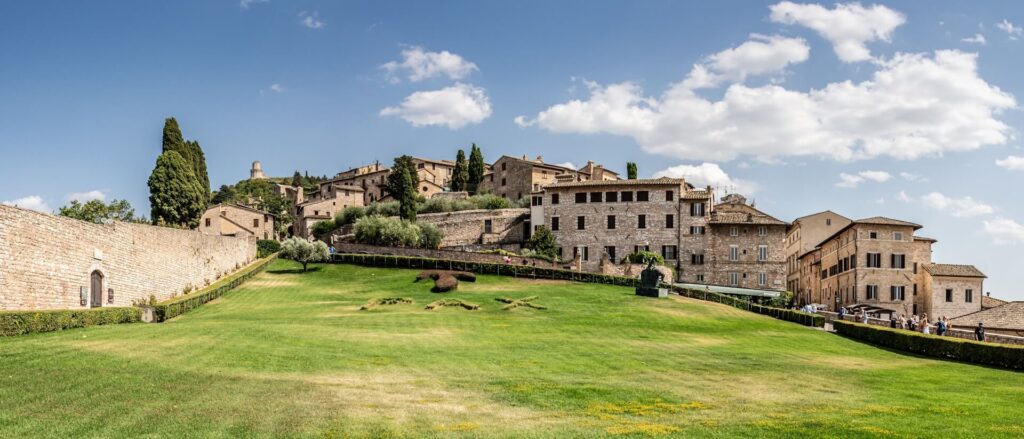
What sets Umbria apart is its compact size—small enough to cross in a day yet varied enough to surprise at every turn. Lake Trasimeno provides unique microclimates, while ancient hilltop towns look out over vineyards that have thrived for thousands of years, originally cultivated by Etruscans and Umbrians approximately 3,000 years ago.
Explore our Italian Wine Guide.
Signature Wines of the Region
When exploring Umbria’s signature wines, you’ll find both indigenous and international varieties that reflect the region’s diverse terroirs.
Grechetto and Trebbiano are prominent in white wine production, particularly in the renowned Orvieto DOC, while Sagrantino and Sangiovese create powerful reds in appellations like Montefalco and Torgiano. These exceptional wines complement regional specialties, from lake fish dishes to wild game and aged cheeses.
Notable Wines
Exploring Umbria’s wine selection reveals many distinctive offerings that have established the region’s reputation internationally. Each bottle represents Umbria’s soil characteristics, craftsmanship, and centuries-old winemaking traditions. The climate and terrain of Umbria contribute to the exceptional quality of these wines, reflecting the region’s identity as the Green Heart of Italy.
- Sagrantino di Montefalco DOCG features intense tannins and rich flavors unique to Sagrantino grapes, pairing well with regional wild meat dishes.
- Orvieto Classico DOC provides a refreshing experience with its blend of Grechetto, Trebbiano, and Verdello, creating crisp notes that pair with local seafood.
- Torgiano Rosso Riserva DOCG presents Sangiovese’s strong character with a uniquely Umbrian smooth texture.
Hidden Wine Treasures of the Region
Beyond Umbria’s famous labels lies a world of lesser-known wines found only by exploring remote areas. The unique microclimate around Lake Trasimeno produces distinctive Gamay perugino rosés (actually made from Grenache) that differ from typical Umbrian wines.
Another regional specialty worth finding is Grechetto di Todi, fresh, mineral, with exotic fruit and honey notes, which has a unique character rarely known outside of Italy.
Geography, Terroir, and Climate
In central Italy lies Umbria, attracting wine enthusiasts with its geographic position—bordered by Tuscany, Lazio, and Marche without coastline or international borders. The region features rolling hills and mountains ranging 200-500 meters above sea level, with Lake Trasimeno—central Italy’s largest lake—providing cooling effects to the surrounding areas.
Umbria offers diverse soil compositions including clay, limestone, sand, and marl. Montefalco’s clay-limestone combination supports the growth of powerful Sagrantino wines, while Orvieto’s volcanic tuff soils yield crisp whites. The region’s geological diversity enhances the complexity and depth of its wines, creating distinctive flavor profiles. Torgiano’s mixed clay and sandy soils produce balanced expressions of both red and white varieties.
The Mediterranean climate of Umbria incorporates continental influences, resulting in hot summers and cold winters with significant day-night temperature variations that enhance flavor development. This varied landscape creates distinct microclimates supporting both native and international grape varieties, producing everything from full-bodied reds to elegant, aromatic whites.
History
Umbrian wine history stretches back millennia, with ancient civilizations establishing its foundation. The Umbri tribe left their mark from 1000 BC, while the Etruscans created underground cellars in volcanic rock for cooler fermentation. Romans later improved agricultural methods that established the region’s reputation for winemaking, with Plinio il Vecchio noting these unique wines.
Medieval hill towns and monasteries continued wine traditions, and creation of art masterpieces. By the mid-20th century, quality suffered as production focused on quantity through high-yielding practices.
A revival began as regional producers returned to traditional methods, transforming from sweet to dry styles and restoring native grape varieties like Grechetto and Sagrantino. Contemporary Umbrian wines represent a blend of historical techniques with modern approaches, offering an authentic connection to the past.
Important wine-growing areas
When visiting Umbria’s wine country, you’ll find Orvieto’s volcanic hills producing mineral-rich white wines that reflect the region’s natural conditions. Torgiano and Montefalco form the core of Umbrian wine production, with the latter’s powerful Sagrantino wines having DOCG status and worldwide acclaim. These distinctive high tannin wines pair excellently with local wild boar dishes, creating a remarkable culinary experience.
The rolling landscapes of Assisi and the vineyards near Lago di Corbara complete Umbria’s varied growing areas, each offering unique expressions shaped by local climate and soil composition.
Orvieto
For centuries, Orvieto has stood as a jewel in Umbria’s crown of wine production, with roots stretching back to the ancient Etruscans who first cultivated vines on its distinctive volcanic tufo soil.
This historic region straddles southwestern Umbria and neighboring Lazio, with its classico zone near Lake Corbara being particularly revered. Orvieto’s signature white wines come primarily from Grechetto and Trebbiano grapes, often complemented by Verdello, Drupeggio, and Malvasia. Their straw-yellow hue and delicate wildflower bouquet make them perfect companions for fish, cheese, and traditional Italian appetizers.
Beyond the celebrated Orvieto Classico, the region also produces red Rosso Orvietano wines and luscious Muffa Nobile dessert wine. Representing 80% of Umbria’s vineyards, Orvieto underscores its significance in the region’s winemaking heritage.
Lago di Corbara
Lago di Corbara is a distinctive wine-growing territory in the heart of Umbria that has developed its own identity within Italy’s viticultural landscape. This small DOC region covers only 23 hectares and combines international varieties such as Cabernet Sauvignon and Merlot and Pinot noir with Sangiovese.
The area produces various wine styles, from crisp whites to complex reds, with particular focus on Riserva selections that undergo extended aging. The region also creates special dessert wines—Vendemmia Tardiva and Passito—made from carefully dried grapes for concentrated sweetness. The local approach balances tradition with environmental stewardship.
Torgiano
Torgiano stands as Umbria’s viticultural cornerstone, with a winemaking background that extends to Etruscan times. In 1968, it became Umbria’s first DOC, reflecting its outstanding terroir where the Chiascio and Tiber rivers meet among rolling hills.
The area produces primarily Sangiovese-based reds, often combined with Canaiolo, and whites made from Trebbiano and Grechetto. The Mediterranean climate, with its significant day-night temperature variations, produces wines of notable complexity.
The cultural heritage is evident in the region’s Wine and Olive Oil Museums, which highlight the historical depth behind local viticulture. This balance of tradition, advancement, and natural splendor makes Torgiano a worthwhile destination on any Umbrian wine visit.
Montefalco
Centrally positioned in Perugia province, Montefalco stands as one of Umbria’s most distinguished wine territories, having received DOC status in 1979. This hillside area features calcareous clay soils and a Mediterranean microclimate that creates optimal conditions for grape ripening.
Montefalco Rosso consists predominantly of Sangiovese (60-70%) with Sagrantino (10-15%) contributing structure and tannins. The Rosso Riserva must age for 30 months, including 12 months in oak. For those who prefer white wines, Montefalco Bianco contains at least 50% Grechetto blended with Trebbiano Toscano.
The most famous wine from this area is the Montefalco Sagrantino DOCG, a great full bodied wine, with bold tannins and robust flavours, perfect for long aged wines. Sagrantino is a native grape variety of incertain origin that was used in the Middle Ages to produce a sweet wine. Only in the 70’s some producers started to make a dry red wine beginning the renaissance of this wine region.
Undulating terrain showcases vineyards alternating with olive groves across an area that includes neighboring towns such as Bevagna and Castel Ritaldi. The entire Montefalco wine region sits within Colli Martani DOC, forming an important subregion of this larger appellation.
Assisi
Situated along the eastern slopes of Mount Subasio, Assisi features a wine territory that’s as spiritually rich as its cultural heritage. The region’s subtropical microclimate at higher elevations creates perfect conditions for complex wines on mineral-rich, gentle slopes.
The area produces exceptional reds including Sangiovese, Merlot, and Cabernet Sauvignon, with Riservas requiring at least 85% of noble varieties. The whites showcase Grechetto and Trebbiano, offering fresh, fruity profiles with distinctive almond notes.
The region maintains organic practices that honor the land’s ancient viticultural traditions. While exploring the area, you’ll notice how Assisi’s Neolithic and Umbrian roots influence modern winemaking. The DOC status that was officially granted in 1997 elevates the region’s standing in Italy’s wine landscape.
Colli Perugini
Colli Perugini was established as a DOC in 1981 and represents one of Umbria’s distinctive wine territories. This area covers approximately 62 acres of vineyards across Deruta, Fratta Todina, Marsciano, and Monte Castello. The annual production reaches about 4,900 cases, highlighting its small-scale presence in Umbria’s wine production.
The region grows both international and local grape varieties, with vineyards planted at elevations up to 450m for reds and 500m for whites. This altitude, paired with Umbria’s typical day-night temperature variations, creates good conditions for grape development.
The DOC offers various styles including Bianco (which contains Chardonnay, Grechetto, and Trebbiano) and Rosso (primarily made from Sangiovese, Merlot, and Cabernet Sauvignon). The area also produces a notable Vin Santo, created from air-dried grapes pressed by March 31 after harvest.
Colli Martani
The rolling hills of Colli Martani extend through Umbria’s heartland, forming a wine region with history dating back to Roman times. Vineyards are situated at elevations between 150-600 meters, benefiting from Mediterranean climate with pronounced day-night temperature variations.
This DOC, certified in 1988, produces various wines from native and international varieties. Whites include Trebbiano, Grechetto, Chardonnay and Sauvignon Blanc, used also to produce sparkling wines, while reds feature Sangiovese, Merlot and Cabernet Sauvignon. The distinctive Vernaccia stands out—a notable red raisin sweet wine made from at least 85% Vernaccia Nera. Historical evidence suggests that as early as the 7th century, wines from this region were being transported to France.
Throughout municipalities like Massa Martana, Montefalco and Bevagna, traditional winemaking methods combine with modern techniques, resulting in wines that express this ancient terroir.
Trasimeno
Lake Trasimeno marks Umbria’s most characteristic wine territory, with vineyards spread across gentle hills along Italy’s fourth-largest lake, bordering Tuscany. The Colli del Trasimeno DOC spans 222 hectares where “Trasimeno Gamay” (actually closer to Grenache), Sangiovese, and Ciliegiolo grow alongside white varieties such as Grechetto. The lake became a Regional Park in 1995, preserving not only its natural beauty but also the surrounding agricultural lands.
The Mediterranean microclimate and diverse soils of this area create good conditions for elegant, mineral-rich wines. The Trasimeno Wine Route includes 22 wine-producing properties across the region.
Amelia
Moving eastward from Lake Trasimeno, Amelia represents another notable area in Umbria’s wine landscape, situated in the southwestern corner of the region. This area features a distinctive terroir with varied soil compositions that significantly influence the character of its wines made with local grape varieties like Ciliegiolo.
Colli Altotiberini
The Colli Altotiberini wine region extends along the Tiber river valley, representing one of Umbria’s historically significant yet less recognized wine areas. This DOC spans from Perugia to Città di Castello, including eight communes with vineyards positioned at elevations ranging from 200-550 meters.
The region produces various wines, with whites containing Trebbiano (minimum 50%) and reds based on Sangiovese. Though small at just 31 hectares yielding approximately 360 hectoliters yearly, the area’s warm climate and rolling hills provide suitable conditions for both local and international grape varieties.
Main Grape Varieties
Umbria’s vineyards grow powerful red varieties including Sangiovese, the region’s most widely planted grape, and the indigenous Sagrantino, which produces some of Italy’s most tannic and age-worthy wines.
Montepulciano appears frequently, often blended with Sangiovese to create balanced, fruit-forward wines with good structure. International varieties such as Cabernet Sauvignon and Merlot have gained prominence in recent decades, particularly in modern blends that showcase Umbria’s versatility while honoring its traditional methods.
Sangiovese
Sangiovese serves as the primary grape of Umbrian viticulture, offering its characteristic high acidity and moderate tannins across the region’s diverse terroir. This versatile grape grows successfully in Torgiano and Montefalco, forming the base of notable wines such as Torgiano Rosso Riserva DOCG and Montefalco Rosso DOC.
In these blends, Sangiovese typically combines with international varieties like Merlot and Cabernet Sauvignon, as well as the local Sagrantino, creating complex wines. The wines range from bright and acidic to full-bodied and intense, showing good aging potential. Umbrian Sangiovese offers remarkable versatility, whether in young, fruit-forward expressions or mature, developed bottles.
Montepulciano
Montepulciano is one of Umbria’s most significant red grape varieties, second only to Sangiovese in regional importance. This native Italian variety thrives in Umbria’s warm climate, where it develops its characteristic blackberry and blueberry flavors, complemented by intriguing violet and leather notes.
The wines showcase firm tannins balanced by high acidity, creating rich, smooth profiles perfect for aging. While often vinified in neutral oak or stainless steel, premium expressions may see time in barriques. Montepulciano pairs particularly well with rustic regional dishes like grilled meats and robust cheeses.
Recent innovations have elevated the quality of Umbrian Montepulciano, revealing its impressive aging potential. Within Umbria’s wine landscape, this versatile grape delivers both approachable everyday wines and complex age-worthy expressions.
Sagrantino
Sagrantino, possibly Umbria’s most distinctive grape variety, has built its reputation as one of Italy’s most powerful and tannic red wines. Native to Montefalco, this grape yields wines with an opaque color and complex profile of dark fruits, spice, and leather notes.
Sagrantino appears in two main styles: the modern dry (secco) version that emerged in the 1970s and the traditional sweet passito made from dried grapes. The Montefalco Sagrantino DOCG, established in 1992, ensures these wines meet strict quality standards. By law, these wines must complete a minimum 33 months of aging before release to develop their distinctive character.
With proper aging—these wines can last 30+ years—Sagrantino’s strong tannins soften into an exceptional experience. The secco pairs well with wild boar or aged pecorino, while the passito complements traditional biscotti. Each glass offers a taste of Umbria’s history.
Cabernet Sauvignon
While indigenous varieties like Sagrantino take the main role in Umbria’s wine story, Cabernet Sauvignon has built a quiet yet important place in this central Italian region. This Bordeaux transplant does well in Umbria’s warm, dry climate, where it’s often blended with local grapes to add structure and complexity.
Cabernet Sauvignon appears primarily in Umbria IGT wines, allowing for distinct expressions that reflect the region’s rolling hills and diverse soils. Modern temperature control and oak aging methods bring out the grape’s characteristic black fruit notes while balancing its strong tannins. The significant day-night temperature variations in Umbria create ideal conditions for proper grape ripening, enhancing the wine’s depth and character.
Merlot
Merlot stands as one of Umbria’s most successful international grape varieties, offering a softer counterpoint to the region’s bold indigenous wines. These wines show deep ruby-red color and sensual aromas of blackberry and purple fruits.
Most Umbrian Merlots age about six months in small French oak barrels, developing subtle notes of tobacco and vanilla that complement their natural fruit character. The velvety tannins create a full-bodied experience that’s surprisingly approachable at 13.5% alcohol.
These wines don’t demand extended cellar time—they’re crafted to please immediately while maintaining enough structure to complement heartier cuisine.
Trebbiano Spoletino
Trebbiano Spoletino stands as Umbria’s most distinctive white varietal, reflecting the region’s ancient viticultural heritage and terroir-driven character. Native to the limestone-rich soils around Spoleto in Perugia province, this grape has no relation to other Trebbiano varieties.
These wines typically show a pale yellow color with greenish hints, floral aromatics, and vibrant acidity. The palate offers citrus, peach, and apricot flavors alongside almond notes and a characteristic minerality. The wines have long aging potential, developing complex smoky and flinty notes over time.
Trebbiano Spoletino appears in various styles—from crisp single-varietal bottlings to sparkling and oxidative expressions. The grape’s late ripening cycle and disease resistance made it suitable for traditional “maritata” cultivation, where vines grow supported by trees. Though production remains limited, this variety demonstrates remarkable potential.
Grechetto
Grechetto ranks as a fundamental component of Umbria’s white wine identity. This ancient grape, native to the region and noted in historical texts by Plinio il Vecchio, flourishes in the clay-limestone soils across Umbria.
Two main subvarieties exist: Grechetto di Todi and Grechetto Spoletino. Both produce dry white wines characterized by pleasant fruit and floral aromas. The grape offers refreshing acidity and a savory finish, making it an excellent match for vegetable soups, fish dishes, and fresh cheeses.
While Grechetto plays an important role in Orvieto DOC wines, it reaches its full potential in Colli Martani DOC where it’s often produced as a varietal wine. For best enjoyment, serve at 10-12°C to appreciate its greenish-yellow to golden color and typical 12-13.5% alcohol content.
The berries typically have a yellow peel that provides excellent protection while contributing to the wine’s distinctive character profile.
Malvasia bianca
The golden clusters of Malvasia Bianca contribute to Umbria’s viticultural diversity. This grape grows well in the region’s balanced climate, producing wines with delicate aroma profiles that show their best qualities with careful management.
Umbria’s Malvasia offers a nuanced expression compared to its coastal relatives. When made into off-dry styles, it shows ripe pear, mango, and honey notes with subtle spice undertones. Winemakers often use stainless steel tanks to ensure the wine develops without oak influence, preserving its natural character. The slow fermentation process maintains its fruit character while adding complexity.
Verdello
Verdello counts among Umbria’s less-known but historically significant grape varieties that still influences the region’s wine character. This late-ripening variety features distinctive dark green berries and notably high acidity levels.
Found mainly in Orvieto blends, Verdello serves a supporting role, adding crisp acidity without overwhelming the flavor profile. Though its plantings have decreased substantially since 2000, it remains an important element in several DOC wines, including Orvieto and Colli Amerini, where it may constitute up to 30% of the blend.
The grape displays moderate resistance to downy mildew but needs careful attention against botrytis. When tasting an Umbrian white with bright, persistent acidity and subtle fruit notes, you’re likely experiencing Verdello’s quiet but necessary contribution to the region’s wine tradition.
Canaiolo Bianco or Drupeggio
Historically significant yet somewhat overlooked, Canaiolo Bianco is one of Umbria’s traditional white grape varieties with documentation dating back to Wales’ early 19th-century records. Though its prominence has declined, this cultivar remains permitted in Orvieto DOC blends, contributing its distinctive characteristics to regional wines.
Canaiolo Bianco vines feature medium-sized, orbicular or pentagonal leaves and pyramidal grape bunches. The small, spheroid berries with thick, pruinous skin produce wines of straw yellow hue with light, floral profiles. This white sub-variety shares a historical connection with the more widely known Canaiolo red grape used in traditional Tuscan wine blends.
Primarily found in limited plantings across Umbria, Tuscany, and Lazio, interest continues in this heritage variety. In blends with Grechetto or Malvasia Bianca, it adds to Umbria’s collection of indigenous grapes where is also known as Drupeggio
Chardonnay
Chardonnay has found a remarkable expression in Umbria’s limestone and marl soils, which impart unique mineral characteristics to the wines.
Umbrian Chardonnay combines elegance with vibrant acidity. These wines typically show grapefruit and jasmine aromas, complemented by subtle hazelnut notes and creamy textures.
Serve these IGT-classified wines chilled (8-10°C) alongside leek soup or pasta dishes. Umbrian Chardonnays deliver a distinct mineral finish that perfectly reflects the region’s terroir-driven winemaking philosophy.
Sauvignon
Sauvignon Blanc holds a minor yet developing role in Umbria’s wine story, standing apart from the region’s primary local varieties. While not historically central to Umbrian wine production, this international grape appears in certain IGP wines where production extends beyond traditional regional selections.
An Umbrian Sauvignon Blanc typically retains the grape’s bright acidity and refreshing character, but often displays a distinctive central Italian interpretation. Unlike Sagrantino or Grechetto, which represent Umbria’s wine traditions, Sauvignon Blanc reflects the region’s openness to international varieties. Sauvignon Blanc is among the international varieties increasingly planted alongside Cabernet Sauvignon and Merlot throughout Umbria’s vineyards.
Overview on appellations system
Umbria’s appellation system follows a structured hierarchy reflecting the region’s quality wine production. At the top level are 2 DOCG designations—Torgiano Rosso Riserva and Sagrantino di Montefalco—followed by 13 DOC and 6 IGP classifications that collectively yield about 600,000 hectoliters annually.
These appellations extend across Perugia and Terni provinces, including notable areas such as Colli del Trasimeno, Assisi, and Montefalco. Regional consortia in Orvieto, Torgiano, Trasimeno, and Montefalco work to maintain production standards while promoting Umbrian wines internationally. Though less known than neighboring Tuscany’s appellations, Umbria’s denominations continue gaining recognition for their unique character and quality. The region’s lush green landscapes contribute significantly to the terroir that makes Umbrian wines distinctive in Italy’s wine portfolio.
3 Wine Destinations for a Perfect One-Day Trip
For an unforgettable one-day wine tour in Umbria, make sure to visit the charming town of Montefalco, renowned for its bold and exquisite Sagrantino wines, offering a perfect introduction to the region’s rich wine culture.
Alternatively, consider a scenic journey to Orvieto, where you can see the stunning Duomo while appreciating the area’s distinctive white wines crafted from Trebbiano, Grechetto, and Verdello grapes. These wines beautifully reflect the unique soil and climate of this historic region.
Extend your stay beyond Umbria with a visit to the picturesque Civita di Bagnoregio, completing your perfect itinerary.
Montefalco Wine Area
Surrounded by vineyards and olive groves, Montefalco dominates the valley from the top of a hill, offering an endless view on sunny days.
The town, originally called Coccorone, changed its name after Emperor Federico II, a great lover of falcon hunting, stayed in Montefalco from 1249 to 1250.
Montefalco is a little gem of Umbria, where you can admire the perfect architecture of the Palazzo del Comune, the Church of St. Francis with its extraordinary fresco cycle of stories from the life of St. Francis by Benozzo Gozzoli, and enjoy traditional Umbrian food in a local trattoria.
Driving along the scenic itinerary of the Strada del Sagrantino in one of the region’s most fascinating areas, you’ll taste exceptional samples of Sagrantino full-bodied wines.
White Wines in the Orvieto Area
Visiting Orvieto, one of the most beautiful towns in Umbria, is a truly unique experience. You can’t help but admire its Duomo, among the most majestic achievements of Italian Gothic architecture, the medieval quarter, with the Church of San Giovenale and the Torre del Moro, and the Well of San Patrizio, a masterpiece of 16th-century engineering designed to supply the city with water.
Finally, explore the hidden city, known as Orvieto Underground, an intricate labyrinth of tunnels, galleries, cisterns, wells, quarries, and cellars that reveal the heritage of the Etruscan foundation.
A vineyard tour in this region is an immersion in a landscape of breathtaking beauty, with gentle hills cultivated with the traditional grapes of the Orvieto white wines.
Wineries are often located on tufo hills and showcase caves excavated in Etruscan times, still used today to produce and age wines using ancient methods and tools.
White Wines in the Orvieto Area and Civita di Bagnoregio
Just a short jump into the Lazio region, but truly just around the corner if you’re staying in Orvieto, you cannot miss Civita di Bagnoregio.
Built on a landslide, Civita di Bagnoregio stands isolated on a ravine and seems to float in the air. The village can only be reached on foot via a high narrow road that leads to a small village, featuring medieval buildings and breathtaking views.
3 Traditional Dishes You Must Try
When you taste Umbria’s famous local flavors, don’t miss porchetta, a succulent herbed pork roll that’s been slow-roasted until the skin crackles.
For pasta lovers, strangozzi with truffles presents handmade noodles combined with Umbria’s prized black truffles, offering an earthy, aromatic experience. The black truffle is one of the Big Five ingredients of the Valnerina region, adding its distinctive flavor to numerous traditional dishes.
Complete your culinary exploration with farro soup, a hearty blend of ancient grains and seasonal vegetables that represents the region’s agricultural heritage.
Porchetta: Herbed Pork Roll
Porchetta stands as the crown jewel of Umbrian cuisine, with roots stretching to ancient Rome where Emperor Nero enjoyed this exceptional herbed pork preparation. In Umbria, this renowned dish consists of pork that’s gutted, deboned, and filled with an aromatic blend of wild fennel, garlic, salt, and pepper before being slow-roasted until the skin becomes wonderfully crisp while maintaining a juicy interior.
Unlike Lazio’s version which highlights rosemary or Sardinia’s “porceddu” cooked over juniper wood, Umbrian porchetta features wild fennel as its characteristic flavor. In Umbria, the preparation uniquely involves stuffing the pig with chopped entrails mixed with lard. This delicacy appears at family celebrations, local festivals, and as popular street food—typically served in rustic bread or alongside roasted vegetables. Visitors to Umbria can sample this traditional specialty with local wines to experience the authentic taste that has earned porchetta its status as a protected Italian culinary heritage.
Strangozzi With Truffles
Strangozzi with truffles provides an authentic taste of Umbrian cooking that many appreciate when visiting this central Italian region. This straightforward yet refined pasta dish comes from the area between Spoleto and Foligno.
The egg-free pasta strands (called umbricelli in Perugia or ciriole in Terni) are made by hand to reach the ideal thickness. Combined with aromatic black truffles from Norcia, available from October to March, this creates an earthy, rich experience.
The dish uses minimal ingredients—just butter, olive oil, and garlic—allowing the truffle’s distinct flavor to be the main focus. The traditional preparation involves forming a firm dough with flour and letting it rest before rolling and cutting into thin slices. The pasta cooks quickly in salted water and tastes best when served hot, when the truffle aroma is most intense.
Farro Soup Delight
Within Umbria’s culinary heritage, farro soup provides an excellent way to sample the region’s rustic yet nourishing food traditions. This classic dish shows the straightforward approach of country cooking while offering rich flavors.
The soup starts with a soffritto of carrots, celery, and onions cooked in olive oil, before adding the ancient grain farro and flavorful broth. Regional variations might include pancetta or prosciutto bones for extra taste, while others stay vegetarian with beans and seasonal vegetables.
Each spoonful connects you to centuries of Umbrian tradition. The hearty character of this soup goes well with local wines – consider enjoying it with a glass of dry Orvieto or light Sangiovese. A piece of crusty bread makes a perfect companion to this comforting bowl of countryside wisdom.