Lombardy Wine Region: Complete Guide
Located in north-central Italy, Lombardy is one of Italy’s most varied wine regions. It shares borders with Switzerland to the north, Piedmont, Veneto, Trentino-Alto Adige, and Emilia-Romagna. The region includes notable cities such as Milan, Bergamo, and Brescia, each adding to Lombardy’s cultural heritage.
Wine production in this area dates back to ancient Greeks who settled along the Po River, with later Celtic and Roman influences. These early winemakers traded extensively with Etruscan communities in nearby Tuscany. Currently, Lombardy yields about 1.3 million hectolitres yearly across 22 DOC, 5 DOCG, and at least 13 IGT classifications.
Different wine territories exist throughout the region—from the Alpine-influenced Valtellina with its Nebbiolo wines to the sparkling Chardonnay Pinot nero and Pinot bianco in Franciacorta, the Croatina and Barbera wines of Oltrepò Pavese, and the rosé wines of Lake Garda. Lombardy’s cool, continental climate, affected by the Alps and Po River, creates good conditions for its notable viticultural variety.
Explore our Italian Wine Guide.
Signature Wines of the Region
Lombardy offers an array of wines across three main categories: reds like Nebbiolo-based Valtellina Superiore, white and rosè sparkling wines from Oltrepò Pavese, and sparkling Franciacorta.
The region produces light, approachable Valtellina Nebbiolo styles and the more concentrated Sforzato made from dried grapes in an Amarone-like process. Franciacorta’s Metodo classico sparkling wines compare to Champagne in quality and complexity, made with Chardonnay, Pinot Nero, and Pinot Bianco across various expressions including the silky Satèn style. The Oltrepò Pavese area contributes significantly to Lombardy’s wine portfolio as the largest production area in the region.
Notable Wines
Lombardy’s diverse viticultural landscape features several signature wines that represent the region’s winemaking tradition. These wines reflect the varied microclimates and heritage of the area.
- Franciacorta DOCG Satèn – A silky, Chardonnay-dominant sparkler with lower pressure and refined bubbles.
- Sforzato di Valtellina DOCG – A powerful Nebbiolo made from partially dried grapes, offering concentrated cherry and spice notes.
- Lugana Riserva DOC – Aged Turbiana expressing honeyed complexity while maintaining mineral precision.
- Oltrepò Pavese Metodo Classico Pinot Nero – Elegant sparkling wine with 15+ months on lees conveying brioche and red fruit.
- Garda Classico Rosso DOC – A finessed blend where Groppello’s bright fruit complements Marzemino and Barbera’s structure.
Geography, Terroir, and Climate
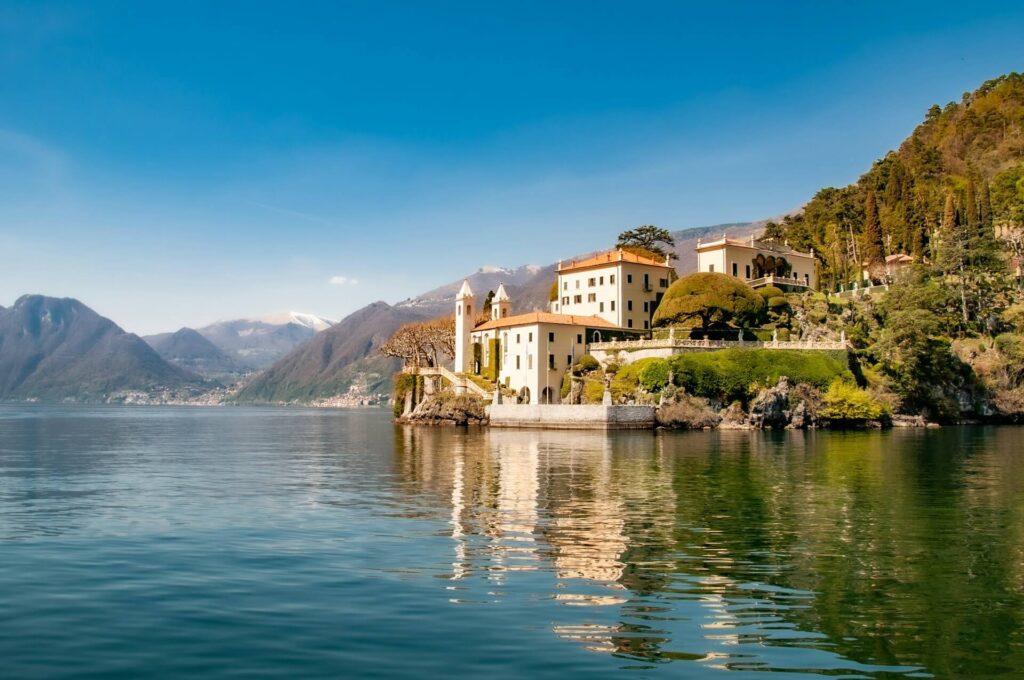
Northern Italy’s Lombardy wine region features a complex geographical landscape that strongly influences its distinctive wines. The towering Alps stand in the north, the fertile Po Valley extends south, and the magnificent lakes—Como, Garda, and Iseo—create important microclimates throughout the region.
The terroir varies significantly across Lombardy. Valtellina’s stony, heat-retaining soils support Nebbiolo at altitudes above 700 meters, while Oltrepò Pavese’s calcareous composition offers ideal conditions for Pinot Noir. This diversity yields wines with crunchy fruit and vibrant acidity. Lombardy is also known for its high-quality Lugana wines produced from the Turbiana grape variety, which thrives particularly well near Lake Garda.
Lombardy’s cool continental climate brings cold winters and warm summers, with the lakes moderating temperatures and preventing spring frosts. The notable diurnal temperature variations preserve acidity in the grapes, particularly in higher-elevation Valtellina. This climate-terroir interaction expresses itself differently across subregions—from Franciacorta’s refined sparklers to Valtellina’s age-worthy reds.
History
Lombardy’s viticultural past extends back nearly three millennia to the 7th century BC, when Etruscan and Ligurians formed settlements along the Po River and introduced old etruscan winemaking methods, then fully developed during the Roman Empire. Maritime commerce along the Adriatic sea also brought Greek vines and the Greek system of growth from Southern Italian Magna Grecia to Northern Italy, through the Po River. Romans later spread these practices throughout the region, until it was occupied by northern european populations during the Barbarian invasions, particularly the Longobardi that gave name to the region.
Medieval monasteries maintained winemaking during difficult periods, with vineyards that supplied Milan’s markets. Oltrepò-Pavese became an important production area, while exchanges with Swiss territories nearby created distinctive traditions.
After World War II, Lombardy’s wine identity changed, with greater attention to sparkling wine production. The region’s unique diverse landscape of mountains, lakes, and valleys contributed significantly to the development of varied wine styles. From the 1990s, Franciacorta has become central to Lombardy’s status for premium offerings, while traditional operations in Valtellina continue making notable Nebbiolo-based wines. Today, a popular wine tourism scene exists across Lake Garda and Oltrepò Pavese, showing how Lombardy’s wine culture has developed over time.
Important wine-growing areas
Lombardy’s viticultural importance extends across several key areas. Oltrepò Pavese accounts for approximately half the region’s wine production, including DOCG sparkling wines made from Pinot Nero.
San Colombano and Valcalepio represent smaller but important zones, with Valcalepio near Bergamo adding distinctive regional characteristics. The varied climate influenced by Alpine conditions contributes to the unique characteristics of wines from these areas.
Franciacorta is known as Lombardy’s top sparkling wine area, while the small Scanzo appellation produces rare passito-style wines that highlight the region’s varied winemaking traditions.
Oltrepo’ Pavese
South of Milan near the Po River, Lombardy’s Oltrepo’ Pavese is one of Italy’s most significant wine-growing territories, producing over half of the region’s total wine output. This 3,600 square kilometer area features vineyards at 300-400 meters elevation, at the beginning of the Apennine hills with relevant excursions between day and night temperatures and clay-rich soils creating excellent conditions for viticulture. The area is shaped like a bunch of grapes and sits on the same 45th parallel as the prestigious Bordeaux region.
Pinot Nero occupies 3,000 hectares in this region, mainly used for Metodo Classico sparkling wines that received DOCG status in 2007. express the historical production of the area. The area’s seven DOCs include traditional Barbera and Croatina blends like Buttafuoco and Sangue di Giuda, as well as The Bonarda dell’Oltrepo’ Pavese made here with Croatina (whilst in Emilia Romagna and Piedmont the wines named Bonarda are made with Bonarda grape variety).
Visitors can experience wine tourism among medieval castles and ancient villages, where an 1,100-year viticultural tradition dates back to the Codex Etruscus.
San Colombano
San Colombano hill stands as Milan’s only DOC wine region, though it sits outside the city’s administrative borders. This geological feature extends across southern Lombardy through Pavia and Lodi provinces, producing about 14,400 cases of wine yearly.
The area’s red wines are mainly made from Croatina and Barbera grapes, occasionally including Uva Rara (locally called Bonarda) up to 15%. White wines feature Chardonnay as the primary variety. Both red and white frizzante styles are made within the DOC. This unique wine region represents regional diversity across Lombardy’s viticultural landscape.
Valcalepio
Valcalepio sits between Mount Orobie, Lake Iseo, and Mount Canto, forming an important viticultural area in Lombardy’s Bergamo province. This DOC, established in 1976, grows at around 550 meters above sea level across roughly 400 hectares of vineyards.
Two main wine styles are produced here: reds combining Merlot (40-75%) with Cabernet Sauvignon (25-60%), and whites made from Chardonnay and Pinot Bianco, sometimes including Pinot Grigio. The area’s unique terroir consists of shale-clay soils in the northwest and clayey-limestone in the eastern section, which tends to be slightly warmer. The region receives 800-1000 mm of annual rainfall, providing sufficient moisture for optimal grape development.
While 70% of production is Valcalepio Rosso, the Moscato Passito is also notable. These wines remain relatively unknown outside Italy, with just 10% exported—making a visit to this scenic region between Lakes Como and Iseo particularly interesting.
Scanzo
Among Lombardy’s treasures, Scanzo exists as a viticultural area surrounding the town of Scanzorosciate in the Valcalepio region. This is the smallest Italian DOCG classification and covers merely 31 hectares.
The Moscato di Scanzo vineyards occupy just 12 hectares of land where the calcareous soil called “sasso di luna” (moon stone) captures the heat of the sun during the day and brings it back to the vines in the night, allowing a perfect maturation for the bunches. The wines come from this distinctive red aromatic grape variety that goes through a required 21-day drying process. The resulting deep ruby wine offers complex notes of dried rose, sage, and acacia honey with spiced undertones. The grapes are part of the ancient Moscati family, which is characterized by their distinctly aromatic qualities that bring notes of incense, spices and wild rose to the wine.
Franciacorta
Franciacorta represents Lombardy‘s primary area for sparkling wine production, and one of the best italian areas for traditional Champagne method production, located in the province of Brescia near Lake Iseo. The region features rolling hills with mineral-rich glacial soils where Chardonnay, Pinot Noir and Pinot bianco grow well in the mild climate where cool winds coming from Val camonica are softened by the influence of the mild winds and warm temperature of the surrounding lakes .
Unlike many Italian sparkling wines, Franciacorta uses the traditional Champagne method, requiring lees aging of 18 months for non-vintage wines and 30 months for Millesimato bottles. The region produces various styles including the creamy Satèn and Rosé, all following strict standards set by the Consorzio. The name “Franciacorta” derives from franca curte, referring to medieval tax-exempt territories.
Valtellina
Valtellina is Lombardy’s principal red wine region, extending along the Adda River in the northern Rhaetian Alps near the Swiss border. The south-facing steep slopes need careful hand cultivation but offer perfect conditions for Nebbiolo (locally known as Chiavennasca).
The wines from this area show remarkable character, combining 2,000+ years of winemaking tradition with distinctive alpine terroir. The high-altitude vineyards create significant day-night temperature variations, developing complex flavor profiles in the grapes. These vineyards sit at approximately 2,500 feet above sea level, contributing to the wine’s unique characteristics.
Valtellina offers several classifications: the standard DOC, the more prestigious Superiore DOCG (with its five subzones), and the notable Sforzato—a powerful style made from partially dried grapes. The wines typically appear lighter-bodied than their Piedmont counterparts, with elegant red fruit notes and distinctive minerality.
Garda
Lake Garda’s southeastern shores represent a notable wine-producing area that extends across both Lombardy and Veneto provinces. The Garda DOC, includes international grape varieties and local ones such as Groppello, Sangiovese, Marzemino and Barbera.
The area features specific terroir conditions where Alpine influences and lake breezes moderate temperatures, creating ideal conditions for growing grapes. The region enjoys similar climate benefits as other parts of Lombardy, where nearby water bodies and the Alps contribute to its unique terroir. The characteristic murrain and marl soils contribute significant minerality and structure to the wines.
This region shows considerable range with 18 permitted grape varieties across 31 Lombardy communes. A combination of traditional methods and current technology produces complex rosés and sparkling wines with characteristic aromatic profiles.
Lugana
Lugana wine comes from the southern shores of Lake Garda, standing as one of north Italy’s most distinguished appellations across both Lombardy and Veneto provinces. The calcareous clay soils combined with Lake Garda’s temperate microclimate create perfect growing conditions for Lugana grapes here called Turbiana, (the local name for Trebbiano di Soave), that gives these wines their character. Recent DNA analysis proved its genetic relation with Verdicchio grape, even if the two grapes are very different in their organoleptic characteristics
Lugana appears in several forms: fresh, citrusy DOC wines; complex Superiore aged for at least a year; and the refined Riserva with two years of development showing flinty mineral notes. Cold fermentation methods help maintain the variety’s floral aromas and crisp acidity. The region encompasses approximately 1,000 hectares of vineyards, making it a relatively boutique wine production area with focused quality.
Lambrusco viadanese
In the heart of Mantua’s agricultural landscape, Lambrusco Viadanese stands as one of Lombardy’s distinctive viticultural treasures. This varietal thrives in deep, fertile soils where it produces medium-sized grapes with thick, pruinose skin.
Lambrusco Viadanese wines show ruby-red hues with purple reflections and a bouquet of wild berries, cherry, and rosehip underscored by mineral notes. Its natural characteristics make it exceptionally suitable for sparkling wine production. Serving these wines between 12°C and 14°C allows full appreciation of their aromatic intensity and balanced acidity.
Typically harvested in late September with yields averaging 110 quintals per hectare, this varietal has earned recognition under IGP Provincia di Mantova, particularly for its sparkling expressions. Though plantation hectares have decreased recently, Lambrusco Viadanese remains integral to Mantua’s wine heritage and continues gaining appreciation for its traditional charm.
Main Grape Varieties
Lombardy’s viticultural landscape prominently features Nebbiolo, which is locally called Chiavennasca. This variety dominates the steep terraced vineyards of Valtellina and produces structured, age-worthy wines.
The region also grows traditional varieties like Brugnola, Rossola, and Pignola Valtellinese, which contribute to the region’s distinctive red blends and maintain its winemaking heritage. Pinot Nero plays an important role in Lombardy’s viticulture, serving as the foundation for many of the region’s sparkling wines, particularly in the Franciacorta and Oltrepò Pavese areas. Several white wine varieties including Turbiana and Chardonnay are cultivated throughout Lombardy’s diverse growing regions, adding to its impressive wine portfolio.
Nebbiolo
The Nebbiolo grape, known locally as Chiavennasca, represents Lombardy’s most prestigious red varietal despite its Piedmontese origins. In Valtellina’s terraced vineyards near Lake Como, this fog-loving varietal (its name derives from “nebbia”) thrives on south-facing slopes with calcareous or sandy soils. This late-ripening grape typically requires ample sunlight exposure for optimal maturation.
Nebbiolo wines have a light brick-red appearance, which develops orange hues with age. The profile shows high tannins and acidity that soften beautifully over time, revealing complex notes of tar, tobacco, dried fruits, and truffles.
When serving this sophisticated wine, pair it with truffle risotto or lamb ragù to complement its nuanced complexity. Be patient—Nebbiolo rewards those who allow proper aging before uncorking.
Brugnola
Beyond Nebbiolo, Lombardy’s indigenous varieties offer fascinating expressions, with Brugnola being a distinctive red grape native to the Valtellina region. This variety contributes complexity to Valtellina Superiore DOCG wines, where it’s typically blended with Nebbiolo (locally called Chiavennasca) and Rossola.
In the vineyard, Brugnola shows resilience against downy mildew and botrytis, though it needs careful management against powdery mildew. The variety grows well specifically in Valtellina’s microclimate, producing reliable yields and adding distinctive regional character to the area’s medium-bodied reds.
Rossola
Rossola Nera is a distinctive black grape grown only in the Valtellina region of Lombardy. This late harvested spherical grape with thin violet skin has been traditionally grown in Valtellina for its good resistance to frost. The high acidity and soft tannins make the Rossola grape good to be blended in wines with a long ageing potential
Rossola appears primarily as a blending component, adding necessary acidity and ruby-red color to Valtellina’s wines. These wines are produced in the region’s famous terraced vineyards nestled in the Rhaetian Alps. It can make up to 20% in DOC blends and 10% in DOCG Valtellina Superiore products. The vines show remarkable vigor and cold-hardiness but need careful management because of their susceptibility to powdery mildew and botrytis. With about 115 hectares under cultivation as of 2000, this late-ripening variety remains important to maintaining the region’s traditional appellations while supporting local wine tourism and Lombardy’s grape-growing heritage.
Pignola valtellinese
Pignola Valtellinese, a lesser-known but historically significant grape variety in Lombardy’s viticultural landscape, originated in Piedmont but now grows primarily in the Valtellina region. This variety appears in Villa di Tirano and Bianzone, characterized by its medium-small, spherical grapes with thin, black-blue skin resembling pine cones.
This late-ripening varietal contributes to Lombardy’s winemaking diversity, appearing in DOC blends like Valtellina Rosso with tannic, savory profiles. It’s also made, removing the skins, into white wine with persistent floral aromas, serving as an excellent base for traditional method sparkling wines. The variety’s name “Pignola” derives from the pine cone-like shape of its grape clusters.
Though difficult to grow, Pignola’s distinct qualities support local wine traditions. The wine pairs well with game meats and cheeses, complementing the regional cuisine while reflecting Valtellina’s rich viticultural heritage.
Pinot nero
Pinot Nero represents one of Lombardy’s finest grape varieties, known for its elegant profile, interesting aromas, and silky tannins. In this region, it serves an important role in Franciacorta sparkling wine production, where it adds structural depth and complexity through classic method fermentation.
This Burgundian transplant grows well in Lombardy’s cooler microclimates, particularly at higher altitudes where the terroir gives distinctive characteristics to the wine. Despite its challenging cultivation requirements—thin skin and sensitivity to growing conditions—the grape remains valued for its remarkable terroir expression. The variety’s name comes from the pine cone-like clusters of its grape bunches, reflecting its compact growth pattern.
The grape’s versatility allows for both red vinification and white pressing, making it an important component in the region’s wine portfolio. When vinified in red, Lombardy’s Pinot Nero shows bright acidity with cherry and raspberry notes, sometimes accompanied by earthy undertones.
Pinot bianco
Another prominent member of the Burgundian grape family found in Lombardy is Pinot Bianco, a genetic mutation of Pinot Noir that’s often confused with Chardonnay due to its similar appearance and growing habits.
While not native to Lombardy, this early-ripening variety has gained attention from producers in the region. It contributes structure to Franciacorta’s sparkling wines, working alongside Chardonnay and Pinot Noir. The variety does well in sandy soils with mineral deposits from glacial rocks, producing wines with white flower flavours and pineapple, banana, plum and citrus notes. The grape grows in densely packed bunches, making it susceptible to fungal diseases during wet weather conditions.
Pinot Bianco can be made using various techniques—some production methods use stainless steel to preserve freshness, while others involve oak barrels for complexity, adding subtle wood smoke and butter notes. These wines pair beautifully with seafood and light starters, offering excellent value despite their historically underestimated status.
Pinot grigio
The rose-colored mutation of the Pinot family is widely recognized as Pinot Grigio in Italian wine production, though it’s known elsewhere as Pinot Gris.
Unlike Veneto or Friuli-Venezia Giulia where Pinot Grigio grows well, Lombardy’s versions typically show crisp acidity with delicate notes of green apple, citrus, and subtle minerality. The wine presents a light-bodied profile with ABV between 11.5-13.5%. This light-bodied style results from early grape picking techniques similar to those used in Alto Adige.
Lombardy’s Pinot Grigio offers good compatibility with regional cuisine, particularly lake fish dishes and lighter antipasti.
Chardonnay
Chardonnay represents Lombardy’s principal white grape variety, serving a vital function in the region’s celebrated Franciacorta sparkling wines. This grape appears blended with Pinot Bianco and Pinot Nero in the Metodo Classico approach that characterizes this distinguished DOCG.
The limestone and clay soils of Franciacorta, together with the temperature-moderating influences of nearby alpine lakes, extract outstanding qualities from Chardonnay vines. These conditions create wines with crisp acidity, mineral undertones, and subtle notes of green apple and citrus. The region experienced a significant quality improvement in the 16th century with the introduction of French techniques that influenced modern production methods.
Though sparkling expressions are most common, Lombardy’s Chardonnay shows notable adaptability. Unlike its buttery, oak-influenced versions in warmer climates, the regional style prioritizes freshness and terroir expression. This makes it a perfect companion for local specialties—particularly risottos, freshwater fish, and delicate cheeses.
Lugana
Along the southern shores of Lake Garda, Lugana represents one of Lombardy’s most distinctive wine territories, spanning both Lombardy and neighboring Veneto. The region’s clay and glacial gravel soils give notable minerality to its wines, while Lake Garda’s microclimate creates ideal growing conditions.
The primary grape is Turbiana, once considered Trebbiano di Lugana but now confirmed through DNA testing as a distinct variety related to Verdicchio. Lugana established itself as a pioneering Italian wine region when it received DOC certification in 1967. Lugana comes in five styles: the crisp, mineral-driven DOC; the more complex Superiore with mandatory one-year aging; the sophisticated two-year-aged Riserva; the luscious late-harvest Vendemmia Tardiva; and the effervescent Spumante.
Moscato bianco
Moscato Bianco ranks among Italy’s most aromatic white grape varieties, contributing significant character to Lombardy’s viticultural landscape. This versatile grape is known by several names: Muscat Blanc, Muscat Canelli, or Muscat de Frontignan, indicating its Greek heritage despite its Italian prominence.
The grape’s small, thin-skinned berries produce intensely perfumed wines with distinctive rose, peach, and sage notes. Lombardy’s Moscato expressions typically appear straw-yellow with golden highlights, feature lively acidity, and finish with a delicate bitterness that lingers. The name Moscato derives from the Italian word muscum for its characteristic musky aroma. Harvest usually occurs in August, with fermentation in stainless steel to preserve the fragrant bouquet.
This adaptable variety appears in sparkling, still, sweet, and fortified styles—each capturing the essence of Lombardy’s terroir while honoring the grape’s ancient Mediterranean lineage.
Lambrusco viadanese
Lambrusco Viadanese originates from the fertile plains of Mantua, representing a distinctive native variety within Lombardy’s viticultural heritage. The vine displays medium-sized, pentagonal leaves with wooly undersides and compact, spherical berries protected by thick skin.
This variety grows best in deep, fresh soils when trained using GDC or espalier systems. Cultivation has decreased significantly—from 1,226 hectares in 1970 to just 120 in 2010—yet its importance in wine production continues.
The traditional production method involves hand-harvesting grapes for a 15-day maceration, followed by secondary fermentation at 15°C for at least 90 days. Winemakers may also employ the Charmat method to produce these vibrant sparkling wines. The resulting sparkling red wines feature wild berry and cherry notes with a fresh, intense finish—ideal for complementing fatty dishes when served at 12-14°C.
Croatina
Croatina is a significant red grape variety across Lombardy’s wine regions, especially in Oltrepò Pavese territory. This grape is often called “Bonarda” locally, though it differs from Bonarda Piemontese.
Bonarda is one of Lombardy’s most interesting yet potentially puzzling grape varieties. Terminological confusion exists around this grape, as “Bonarda” in Lombardy often refers to Croatina or Uva Rara rather than true Bonarda Piemontese.
Lombardian Bonarda wines present medium-bodied expressions with bright ruby coloration and juicy fruit profiles featuring cherry and plum notes. The wines typically show moderate tannins with refreshing acidity, making them excellent with food. They’re traditionally produced with minimal oak influence to maintain their natural fruitiness.
Croatina produces wines with firm texture, mild tannins and bright plum, strawberry, and mulberry notes, both still and sparkling, notably in Bonarda dell’Oltrepò Pavese DOC wines.
Oltrepò Pavese Bonarda DOC requires 85-100% Croatina, resulting in wines with balanced acidity and aging potential.
Barbera
Originally from the hills of Monferrato in central Piedmont, Barbera has established a significant presence in Lombardy’s Oltrepò Pavese region. This versatile grape thrives in the clay and limestone soils across the region, where it demonstrates remarkable adaptability and consistently high yields.
In Lombardy, Barbera is often blended with Croatina to temper its naturally high acidity, making it similar to how it’s frequently blended outside of Piedmont. The resulting wines show ruby red colors with vibrant flavors of black cherries, plums, and subtle violet notes. Oltrepò Pavese Barbera sometimes appears in a frizzante style – a slightly spritzy version that adds an invigorating dimension.
While not as prestigious as its Piedmont counterparts, Lombardy’s Barbera wines have improved through modern vinification techniques, changing from everyday table wines to expressions of greater complexity and aging potential.
Groppello
Groppello, an ancient native grape of Lombardy dating to the 16th century, represents one of the region’s most distinctive viticultural treasures. Its name derives from “gropo” (knot), referencing its characteristically tight clusters that require careful vineyard management to prevent fungal diseases.
This late-ripening variety grows primarily around Lake Garda, covering approximately 420 hectares. The vine yields wines with deep ruby hues and medium body, offering aromatic profiles of cherries, wild strawberries, and subtle floral notes. Groppello produces a full, fruity palate with soft tannins and spicy undertones. Beyond Lake Garda, the variety has established smaller but significant plantings in Valtellina and Val Camonica.
Though historically used for blending, single-varietal expressions now appear in DOC Riviera del Garda Classico. These wines pair well with various foods from roasted vegetables to heartier options like lamb.
Vespolina
Lombardy celebrates the unique character of Groppello, while another distinctive variety adds to the region’s winemaking traditions. Vespolina, originally from neighboring Piedmont’s Novara and Vercelli provinces, has established itself in Lombardy‘s viticultural landscape.
Vespolina wines feature an intense ruby color and delicate structure. Though thin-bodied, they offer floral and spicy profiles, with fruit, sage, and rosemary aromas. The grape matures in late September, producing moderate yields.
Vespolina presents freshness and softness with low tannins. Its name comes from its sweetness that attracts wasps and bees, reflecting the natural appeal of this elegant variety. An excellent example of Vespolina in regional production is the famous Barbacarlo,with the incredible history behind its name, which combines Vespolina with Uva Rara and Croatina.
Marzemino
Marzemino, a distinct red variety from northern Italy, plays a significant role in Lombardy’s wine culture. This grape appears mainly in blends with Barbera, Merlot, and Sangiovese within local DOCs such as Capriano del Colle and Botticino, rather than as a single-varietal wine.
A Marzemino-based wine shows a dark ruby color with garnet hints. Its aroma features wild berry scents with violet notes and light spice. When tasted, it offers a dry, smooth texture with moderate tannins and balanced acidity—traits that make it suitable for various food combinations.
The grape has roots that trace back to the Middle Ages in Italy. Marzemino pairs well with both white meats and aged cheeses. For a traditional Lombardy meal, try it with polenta and mushrooms, reflecting this grape’s historical importance dating back to medieval times.
Riesling Italico
Though sharing part of its name with the German variety, Riesling Italico is a completely different grape with no genetic connection to true Rhine Riesling. Also called Welschriesling, this variety grows well in Lombardy’s warm soils and dry climate.
These vines produce small, greenish-yellow grapes that create straw-colored wines with green highlights. The wines offer a mix of fruit and mineral notes, though generally less complex than Rhine Riesling.
In Lombardy, Riesling Italico functions both as a single-variety grape and as a blending component, adding acidity and freshness to mixed-variety wines. It pairs nicely with various foods, from light seafood to regional desserts, making it a versatile option when exploring Lombardian wine culture.
Cabernet Sauvignon
Cabernet Sauvignon has found a growing presence across Lombardy’s various growing areas, becoming an important international variety that works well alongside the region’s native grapes. It appears often in blends with Merlot in Bordeaux-style wines, showing how well it adapts to Lombardy’s different landscapes.
This strong grape shows distinct characteristics based on its growing location—from the alpine influences of Valtellina to the moderating effects of Lakes Garda and Iseo. The notable day-night temperature differences and varied soils help develop the typical blackcurrant notes and firm tannins of Cabernet.
Overview on appellations system
The Italian wine appellation system provides the foundation for Lombardy’s wine industry, with five DOCG and more than 20 DOC classifications organizing the region’s viticultural areas. These appellations ensure wines represent their geographical origins while upholding quality standards through specific regulations.
In Lombardy, over 90% of wines carry DOP or IGP certification, showing the region’s focus on quality. Each appellation specifies allowed grape varieties, production methods, and aging requirements, maintaining traditional winemaking practices developed over centuries. The region’s annual production of 1.3 million hectoliters contributes significantly to Italy’s wine economy.
Oltrepò Pavese represents the largest production volume, making up nearly half of Lombardy’s wines, while Franciacorta has gained international recognition for its méthode champenoise sparkling wines. Valtellina demonstrates how terroir influences Nebbiolo grapes.
These appellations serve beyond regulation—they link to Lombardy’s cultural heritage, with each wine expressing characteristics of specific microclimates, soils, and generations of winemaking knowledge.
3 Wine Destinations for a Perfect One-Day Trip
Franciacorta’s sparkling wine area makes an ideal day trip, with excellent routes through beautiful estates about 90 minutes from Milan.
Around Lake Como, terraced vineyard landscapes provide wonderful spots where you can sample distinctive local wine varieties while enjoying stunning water views. Moving towards Valtellina you’ll be amazed by the steep terraces and heroic viticulture.
The Oltrepò Pavese region in Lombardy offers exceptional wine experiences with nearly 3000 hectares of Pinot Noir vineyards to explore.
Franciacorta Sparkling Wine
Located between the Alps and the Po Valley, Franciacorta offers the perfect spot for a one-day wine trip from Milan. This DOCG area, just 70 km east of the city, produces high-quality metodo classico sparkling wines that compare favorably with Champagne.
The 80 km wine route winds through the region’s glacial morainic landscape, which contributes to the unique character of these wines.
While exploring, you’ll have opportunities to taste the region’s distinctive Chardonnay-based Satèn and fruit-forward rosés paired with local cured meats. Franciacorta rosé wines must contain at least 25% Pinot Noir in their blend, giving them their characteristic color and structure. Your day can finish with stunning views of Lake Iseo.
Lake Como and Valtellina Wine Terraces
Northwest of Milan lies Lake Como with its striking wine terraces. These mountainside vineyards offer an authentic look at Lombardian wine production in a dramatic setting.
Driving towards the mountains, you reach the Valtellina area, where the vineyards are situated on steep slopes, and viticulture is truly heroic. The Valtellina vineyards are small portions of land, surrounded by stone walls, where winemakers must climb high-elevation terraces to produce Nebbiolo wines. These agricultural sites maintain traditional farming practices while focusing on sustainability.
Milan’s Wine Outskirts: Oltrepo’ Pavese
Beyond Milan’s city center, several excellent wine regions can be visited on a day trip.
Strolling through Oltrepo’ Pavese hills means passing by historical villas, small villages, and fortified castles that once belonged to noble families such as the Malaspinas and Beccarias, revealing a rich and lively past.
Oltrepo Pavese, located just 75 km south, produces outstanding Pinot Nero, Croatina, and Barbera wines.
3 Traditional Dishes You Must Try
Lombardy’s classic Risotto alla Milanese features saffron-infused rice creating a golden dish that pairs well with local structured white wines. Another regional specialty is Ossobuco, a tender veal shank preparation finished with bright citrus gremolata – this works beautifully with a glass of Sforzato di Valtellina. The region’s varied terrain includes several amazing lakes that provide delicious freshwater fish used in traditional recipes. For something lighter, sample Bresaola with peppery arugula and Parmesan shavings, whose subtle flavors match nicely with Lombardy’s sparkling Franciacorta.
Risotto Alla Milanese
No dish represents the culinary heritage of Lombardy more authentically than Risotto alla Milanese. This golden specialty highlights the region’s rice cultivation tradition, with Arborio or Carnaroli grains creating its characteristic creaminess.
Authentic preparation follows a specific technique: first, a soffritto of onions sautéed in butter, occasionally enriched with beef marrow. The rice is toasted until translucent before white wine deglazing. The transformation occurs as hot broth is added gradually while stirring continuously. Saffron threads are introduced late, maintaining their distinct aroma and vivid color.
The final mantecatura—mixing butter and Parmigiano Reggiano—produces the characteristic all’onda (wave-like) consistency. Traditionally served as primo before Osso Buco, this 19th-century creation remains the essential expression of Milanese gastronomy, best appreciated with local Lombardy wines.
Ossobuco With Gremolata
After the creamy saffron risotto, the hearty main course of Lombardy awaits guests. Ossobuco—”bone with a hole” in Italian—features bone-in veal shanks slow-braised to fork-tender perfection in a flavorful mixture of aromatic vegetables, wine, and stock.
Milanese tradition calls for white wine in the braise, though modern interpretations often incorporate tomatoes and red wine. The true magic happens during the slow braising process, as collagen melts into the sauce, creating an incomparably rich consistency. The dish requires lengthy cooking time but rewards patience with extraordinary depth of flavor.
The essential gremolata topping—this bright mixture of lemon zest, minced garlic, and fresh parsley cuts through the dish’s richness with vibrant intensity. When you pierce the center, you’ll find the prized marrow, meant to be savored with crusty bread to capture every drop of the luxurious sauce.
Bresaola With Arugula
In comparison to the hearty, slow-cooked ossobuco, Lombardy presents a more delicate option with bresaola and arugula. This northern Italian specialty consists of thin slices of air-dried beef arranged with peppery arugula and slivers of Grana Padano or Parmigiano Reggiano cheese.
The preparation shows beautiful simplicity—carefully placed bresaola slices covered with nutritious greens lightly dressed in olive oil and fresh lemon juice. This combination creates a balance between the meat’s deep umami flavor, the slight bitterness of arugula, and the cheese’s nutty taste. Originating from the picturesque Valtellina in Lombardy, bresaola has become renowned for its distinctive flavor profile. Enjoy it as an appetizer before your main course, or try variations by adding balsamic vinegar or wrapping the beef around creamy ricotta for something more substantial.