Calabria Wine Region: Complete Guide
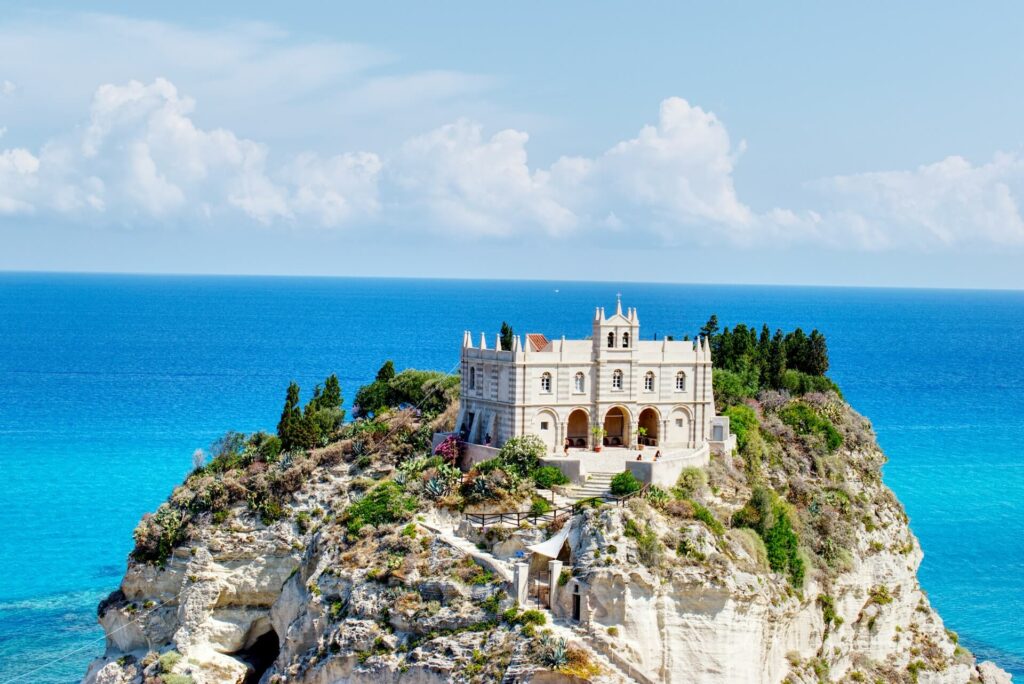
At the toe of Italy’s boot-shaped peninsula, Calabria stretches between two seas, offering a wine region as varied as its dramatic landscape. You’ll find a land where the Ionian and Tyrrhenian waters touch rugged coastlines, while inland mountains create different microclimates that influence the character of local wines.
This ancient winemaking territory has roots dating back to Greek and Roman times, when the first vines were carefully grown in these fertile soils. The Mediterranean climate dominates coastal areas, while mountainous zones provide cooler conditions, creating an ideal setting for growing indigenous varieties like Gaglioppo and Greco Bianco.
Wine isn’t just a product here—it’s the lifeblood of local culture. As you explore Calabria, you’ll notice wine deeply woven into daily life, festivals, and traditions. Beyond vineyards, olive groves and citrus orchards fill the landscape, adding to the rich agricultural heritage that defines the region’s identity.
Explore our Italian Wine Guide.
Signature Wines of the Region
Calabria offers several exceptional wines among its regional specialties. Cirò Rosso, made from the Gaglioppo grape, represents the area’s primary red wine with characteristic cherry and earthy tones.
The sweet Moscato di Saracena and the mineral-rich Nerello Mascalese wines highlight the variety found in this less-recognized Italian wine region.
The region’s distinctive Greco Bianco grape produces zesty white wines with refreshing citrus and almond notes that perfectly complement the local seafood cuisine.
Notable Wines
Calabria’s signature wines show the region’s variety and ancient winemaking traditions. When visiting this southern Italian region, you’ll find distinctive bottles that reflect both terroir and heritage.
There are four standout examples worth trying:
- Cirò Rosso – Made primarily from Gaglioppo, these medium-bodied reds deliver earthy spice notes with a characteristic rustic charm.
- Greco di Bianco – A compelling white displaying high acidity with stone fruit and citrus flavors that pair beautifully with local seafood.
- Moscato Passito di Saracena – This luscious dessert wine, crafted from dried grapes, offers concentrated sweetness balanced by natural acidity.
- Melissa DOC – Full-bodied expressions typically blending Aglianico with other varieties, creating complex wines with impressive aging potential.Try small-batch reds from 80+ year-old vineyards with intensely concentrated flavors.
Hidden Wine Treasures of the Region
Calabria’s lesser-known grape varieties hold special interest for wine enthusiasts. The ancient Scavigna grape and tannic Magliocco offer distinctive flavor profiles rarely found elsewhere.
The crisp, floral Greco Bianco whites stand as some of the region’s most elegant options. While Cirò DOC receives much attention, small producers in Vibo Valentia province create interesting limited-production wines that demonstrate the ongoing changes in Calabria’s wine landscape.
Notable Wines
Calabria’s lesser-known areas hide wine treasures waiting for explorers. Beyond familiar Cirò labels exist wines representing centuries of tradition yet remain mostly unknown outside their regions.
- Pollino’s High-Altitude Gems – Look for limited-production Mantonico whites from mountain vineyards with mineral-driven complexity.
- Donnici Doc wines – Taste wines where Magliocco and Greco Nero create unexpected, elegant expressions. These indigenous varieties are part of Calabria’s impressive collection of 350 native grapes that contribute to the region’s unique wine identity.
These micro-productions often sell out locally, making your finding all the more personal and satisfying.
Geography, Terroir, and Climate
The southern Italian region of Calabria presents geographical contrasts, with its extensive coastlines along both the Tyrrhenian and Ionian Seas complementing the rugged interior dominated by the Apennine Mountains. These diverse landscapes create a patchwork of microclimates that influence the region’s viticulture.
The Mediterranean climate provides warm summers and mild winters, with coastal areas experiencing more moderate temperatures than inland zones. The region’s southern position helps guarantee abundant sunshine for grape ripening, while the varied elevation ranges create distinctive growing environments.
Calabrian soils present a complex story – from limestone to clay and volcanic compositions – each giving unique characteristics to the wines. The valleys, like Savuto, offer conditions for small-scale vineyards where indigenous varieties like Gaglioppo and Greco grow, adapted to local conditions despite challenges from summer heat and occasional drought.
History
Calabria’s wine history dates to ancient times with numerous cultural influences across thousands of years. The Greeks first introduced grape cultivation to this Mediterranean peninsula, establishing methods that Romans later expanded throughout their empire.
During the Middle Ages, monasteries preserved winemaking knowledge while trade routes carried Calabrian wines to neighboring areas. Wine became an integral part of the feudal economy, though historical records remain limited.
The phylloxera epidemic of the late 19th century destroyed many vineyards, necessitating complete replanting. Following World War II, significant modernization occurred, though international recognition developed gradually.
In recent years, Calabria has experienced renewal as local producers embrace both traditional methods and new approaches. While still less recognized compared to Italy’s more famous regions, Calabria’s ancient wine heritage now receives greater appreciation through growing tourism and quality improvements.
Important wine-growing areas
Calabria’s wine landscape features four main growing regions that shape its viticultural identity. Il Cosentino and Il Lametino offer varied terroirs affected by mountain ranges and sea breezes.
Il Cirotano yields the region’s most notable Gaglioppo-based wines. La Locride, located in the province of Reggio Calabria, rounds out these areas with wines that reflect the Ionian coast’s Mediterranean climate and mineral-rich soils.
Il Cosentino
In the northern part of Calabria, Il Cosentino represents one of the region’s most notable wine-growing territories, where old traditions blend with new methods. The area features numerous vineyards growing mainly Greco Bianco and Magliocco grapes, producing quality white and red still wines.
The region’s varied soil composition—clay, limestone, and sandy loams—along with the Mediterranean climate and specific microclimates contribute to the distinct taste characteristics found in each bottle. Many small, multi-generational operations maintain practices influenced by ancient Greek settlers while also adopting modern techniques.
Visitors can attend local wine festivals during harvest season which highlight IGT Calabria-certified wines served with traditional regional foods. Wine tourism has grown in this area, allowing guests to experience the heritage of these terraced vineyards that have been maintained for generations.
Il Lametino
The wine map of Calabria shows another notable area in the region’s viticultural landscape as we move South from Il Cosentino – Il Lametino. This area around Lamezia Terme has diverse clay and calcareous soils under a classic Mediterranean climate that’s ideal for growing grapes.
The wines here are deeply rooted in tradition, with production dating back to ancient times. Local varieties like Greco and Mantonico flourish in this territory, creating distinctive red and white wines that balance traditional methods with newer approaches.
Il Lametino’s wine industry significantly supports the local economy, creating jobs and attracting visitors. Despite challenges from changing weather patterns and international competition, grape growers in this region focus on sustainability and quality rather than quantity.
Il Cirotano
This is an area where wine production dates back to ancient times, with a history dating back thousands of years, even to the time before the Roman civilisation. Ancient Greeks called the wines produced in the region Kremisi.
Cirò DOC wines are produced in the eastern hills of the Sila plateau and on the Ionian coast, in the municipalities of Ciro, Cirò Marina, Crucoli and Melissa. Melissa also produces wines under the Melissa DOC denomination.
The grapes from this area are of the highest quality and come from vineyards grown with the “Alberello” system of growth with the grapes harvested by hand from the low, bush-like vines, with a very low yield per hectare .
Cirò DOC is mainly known for its red wine, although a limited amount of white wine is produced from Greco Bianco and Trebbiano grapes. Cirò Rosso DOC is produced with 95 per cent Gaglioppo, while the remaining 5 per cent is made from the white varieties Greco Bianco and Trebbiano Toscano.
La Locride
Along Calabria’s eastern coastline, La Locride presents a unique wine-producing character formed by its Mediterranean climate and varied terrain. The area features clay-rich lowlands and limestone-infused hills, creating numerous microclimates that support an extensive range of vineyards where old traditions continue alongside new approaches.
The region grows indigenous grape varieties such as Gaglioppo Mantonico and Greco, sometimes planted with international varieties like Merlot. Traditional methods exist alongside contemporary techniques, yielding both DOC-classified wines and accessible IGT blends.
Though production remains small compared to other Italian regions, La Locride’s wines are gaining attention beyond local areas. Wine tourism has grown important, allowing visitors to see hillside vineyards where sustainable practices respect both the area’s past and its future possibilities.
Main Grape Varieties
Calabria’s vineyards feature numerous native grape varieties, with Gaglioppo being the primary red wine grape, especially in the Cirò DOC wines.
Notable white varieties include Greco Bianco and Guarnaccia, which produce aromatic white wines, while Greco Nero adds depth to red blends. Trebbiano Toscano is also grown in the region, though the indigenous varieties best represent the character of this southern Italian wine region.
Magliocco is another significant variety that yields deeply colored wines with intense fruit flavors and substantial tannin structure.
Guarnaccia
Calabria’s Guarnaccia white grape grows primarily in the province of Cosenza, specifically in Verbicaro, Altomonte, and Saracena municipalities within the Pollino National Park area. This grape variety, with uncertain origins but thought to come from Greece, features medium-sized, spherical berries with waxy skin that ranges from green-white to yellow-amber in color. These grapes thrive in moderate-altitude vineyards.
Guarnaccia appears most notably as an ingredient in local blends, particularly in the prestigious Moscato di Saracena dessert wine—recognized as a Slow Food Presidium. When made into a single-variety wine, Guarnaccia produces results with low acidity, mild flavor, and subtle floral and herbaceous notes. Though relatively unknown outside the region, this grape remains important for maintaining Calabria’s distinctive wine identity. Ongoing preservation efforts help protect this regional treasure against more commercial grape varieties.
Greco bianco
The ancient Greco Bianco grape is one of Calabria’s most significant white varietals, with history dating back more than two millennia to Greek colonization of southern Italy. Despite its name similarity, it differs from the Greco used in Greco di Tufo.
Greco Bianco grows primarily along Calabria’s coastal areas, especially near Bianco and Casignana. The wines offer bright acidity with citrus and white flower notes, available in both dry and sweet expressions. Found predominantly on the Tyrrhenian coast region, this versatile grape contributes to Calabria’s diverse wine portfolio.
Terre di Cosenza DOC Greco di Bianco passito is a notable passito-style dessert wine with amber hues and complex orange blossom aromas. This velvety wine pairs well with traditional Calabrian desserts featuring bergamot. When visiting the region, you can appreciate this wine alongside local cuisine at summer festivals that celebrate this ancient grape’s continuing heritage.
Greco nero
Though less well-known than its white relative, Greco Nero stands as an interesting native red variety in Calabria’s wine landscape. This medium-bodied red appears primarily in small-scale local productions, often in the shadow of more prominent varieties like Gaglioppo.
The taste profile of Greco Nero features fruity characteristics with berry notes, subtle spiciness, and earthy undertones. Its moderate tannins and balanced acidity pair well with traditional southern Italian cuisine, particularly grilled meats and vegetables.
Typically harvested late to maximize ripeness, Greco Nero wines undergo brief aging to preserve their fresh character. While rarely exported, this variety contributes significantly to Calabria’s wine identity. You can find it at regional wine festivals, where it appears at reasonable prices.
Gaglioppo
Calabria’s primary indigenous red grape variety Gaglioppo dominates vineyards throughout Cosenza and Catanzaro provinces. While its Greek heritage is ascertained,(it’s related to the Greek grape Mavrodafni, still grown in Greek islands), DNA analysis has confirmed its genetic relationship to the Sicilian grape Frappato but recently also to Sangiovese in Tuscany, probably brought there from Calabria and Sicily.
Gaglioppo appears prominently in Cirò DOC, producing full-bodied reds with high tannins, alcohol content, and characteristic crushed berry flavors with spicy cherry notes. These wines need extended aging to soften their powerful structure and display their full complexity.
The grape adapts well to drought conditions but requires careful attention to prevent disease. In Calabria, Gaglioppo grows at higher altitudes to maintain acidity, and early harvests help avoid overly jammy characteristics. It’s recognized as the most common grape in the entire Calabria region.
Malvasia bianca
Malvasia Bianca originated in ancient Greece and is Calabria’s primary white grape variety, known for its golden berries and adaptability. This grape flourishes in the Calabrian climate, particularly in dry, well-drained soils, and produces complex flavors when yield is controlled.
Calabrian Malvasia Bianca wines feature pleasant aromas of peaches, apricots, and honey, with a round, full-bodied character. The grape’s history stretches back to medieval times when it became the first international brand under Venetian trade influence. These wines are made in dry, sweet, or sparkling styles and the Malvasia is blended in the Bivongi Bianco DOC and in the Terre di Cosenza San Vito di Luzzi DOC.
Magliocco
Magliocco represents Calabria’s principal red grape variety, capturing the region’s viticultural identity with its ancient heritage possibly connected to Greek settlement. It grows across 600 hectares mainly in Calabria’s distinctive soil conditions, reaching maturity late in autumn.
This thick-skinned grape produces wines with notable character – deep ruby with purple tints and a smooth texture. The wines offer rich aromas of dark fruit, spice, and incense that develop well as they age, while structured yet refined tannins provide excellent balance.
Magliocco wines pair well with red meats, game dishes, or Mediterranean foods such as ragu alla Bolognese.
Mantonico
Mantonico bianco represents a distinguished white grape variety native to Calabria with roots likely dating back to Greek settlement in southern Italy. Its name may come from the Greek word for “fortune-teller,” suggesting its ancient heritage.
This late-ripening variety grows primarily along the Ionian coastline, contributing to both dry and sweet wines. Mantonico presents a spectrum of aromas ranging from floral to herbal, sometimes featuring exotic fruit notes.
The grape appears in Calabrian IGT wines and DOC blends such as Bivongi, where it combines with Greco Bianco. Production regulations limit yields to 12 tonnes/hectare with minimum alcohol levels of 10.5%, reflecting Calabria’s dedication to quality indigenous varieties despite regional infrastructure limitations. In the Terre di Cosenza Pollino DOC, it can constitute up to 40% in blends blended with other white varieties and with the red grape Gaglioppo.
Overview on appellations system
Calabria’s wine classification system features eleven DOC appellations distributed across this southern Italian region. These appellations represent the region’s varied terroir and native grape varieties, though they remain less recognized internationally.
Key appellations include Cirò DOC on the Ionian coast, known for Gaglioppo-based reds, and Bivongi DOC in south eastern Calabria, producing complex blends. Additional classifications worth noting are Melissa DOC with its strong reds, Terre di Cosenza DOC with its seven sub denominations, Bivongi DOC with international grape varieties blended with local greco and nerello, Savuto and Lamezia DOC in central Calabria creating both red and white wines and the smallest Scavigna DOC.
3 Wine Destinations for a Perfect One-Day Trip
Calabria‘s wine heritage comes to life through visits to ancient Cirò, where the Gaglioppo grape grows.
For coastal wine outings, in the Crotone area, local grapes are grown in historic vineyards, while some hidden gems are to be discovered in little hamlets and castles.
In Cosenza‘s mountain areas, you can sample unique wines in cooler climates while taking in the natural beauty of the Pollino National Park and the unique villages of Morano and Altomonte.
Cirò: Ancient Wine Heritage
The ancient hills of Calabria are home to Cirò, a region with winemaking traditions stretching back to Greek settlements. These wines, once offered to Olympic champions, now carry the Cirò DOC designation established in 1969.
The region’s signature Gaglioppo grape makes up at least 80% of the local Rosso and Rosato wines. Bianco varieties feature the native Greco Bianco grape. The area was originally called Oenotria by Greek settlers, signifying its ancient dedication to viticulture.
The area hosts numerous producers who maintain ancient methods. A notable local movement creates 100% Gaglioppo wines without modern barriques.
Crotonese wine area and Le Castella
Moving south from Cirò, along Calabria’s eastern coast, in the province of Crotone – the birthplace of the philosopher Pythagoras – are the hidden gems of Santa Severina, one of the most beautiful villages in Calabria, and the spectacular Castel of Le Castella, which stands on an isthmus in the middle of the sea.
Nearby, in the territory of Strongoli Marina, you’ll find ancient Petelia, a stunning 20-hectare estate with organic vineyards, 37 hectares of olive groves, and 3 hectares of citrus orchards and vegetable gardens – a true corner of paradise. Here, you can taste organic wines paired with local food while taking in the breathtaking landscape.
Altomonte and Morano vineyards
The majestic mountains of Cosenza rise dramatically above Calabria’s landscape, offering wine enthusiasts the perfect escape for a day trip. Here, native varieties like Gaglioppo and Magliocco Canino grow in mineral-rich soils, benefiting from Mediterranean warmth and cooling mountain breezes.
Local producers also introduce guests to rare indigenous grapes carefully preserved through generations. Several wineries offer panoramic vineyard tours that combine wine tasting with stunning natural scenery.The terraced vineyards, often hand-cultivated due to the steep terrain, showcase the region’s commitment to quality over quantity. Unique villages of incredible beauty like Altomonte and Morano in the Parco Nazionale del Pollino await to be discovered.
3 Traditional Dishes You Must Try
You’ll find Calabria’s culinary identity in the fiery N’duja, a spreadable sausage that complements local flavors. Pasta Fileja Con Sugo is a must-try dish – handmade twisted pasta with rich meat sauce that shows the region’s simple yet flavorful cooking traditions.
For seafood lovers, Involtini Di Pesce Spada offers a taste of Calabria’s coastal heritage with delicate swordfish rolls stuffed with breadcrumbs, capers, and local herbs. Don’t miss the savory Zeppoli calabresi, delicious fried donuts typically filled with anchovies and mozzarella that locals often serve during special occasions.
Nduja: Fiery Sausage Spread
Fiery and distinctive, ‘nduja is Calabria’s most celebrated spreadable sausage, delivering a punch of heat that captures the region’s bold culinary spirit.
This vibrant red delicacy is made from ground pork mixed liberally with Calabrian chilis, then cured for several months to develop its complex flavor profile.
When in Calabria, you can experience ‘nduja spread on rustic bread or melted into pasta sauces where it imparts deep umami notes. Its spreadable texture comes from high fat content, while its remarkable spiciness adds dimension to everything it touches. The traditional production method involves using leftover pork trimmings combined with fat and skin for an authentic taste.
‘Nduja works well with creamy cheeses like burrata or mascarpone to balance its heat, or alongside regional wines that complement its intensity. Though traditional in Calabria, ‘nduja’s popularity has grown globally, becoming a sought-after ingredient in fine dining establishments worldwide.
Pasta Fileja Con Sugo
Calabrian cuisine treasures fileja con sugo, a dish showcasing the region’s country cooking traditions through its characteristic twisted pasta and flavorful sauce combinations. These handmade spirals, made from simple flour and water rolled on thin metal rods called “danaco,” hold sauces wonderfully within their special shape.
The pasta typically comes dressed with a rich sugo containing tomato puree, garlic, and local olive oil. The most traditional preparation includes spicy ‘nduja sausage, creating fileja alla ‘nduja—a dish that reflects Calabria’s appreciation for spicy food. During summer, fileja Tropeana features sweet Tropea onions.
While not commonly available in stores, you can use penne as a substitute when making these dishes at home. The perfect al dente texture is essential when preparing fileja for the best dining experience. Across its variations, fileja con sugo remains an important part of Calabrian family meals and festivities.
Involtini Di Pesce Spada
Another seafood highlight in Calabria’s culinary portfolio is involtini di pesce spada, a dish that showcases the region’s coastal offerings.
You’ll find thin slices of swordfish pounded and rolled around a savory filling of breadcrumbs, capers, olives, and aromatic herbs—a perfect representation of la cucina povera‘s ingenious simplicity.
When eating along the Calabrian coast, you’ll notice variations in preparation: some chefs pan-fry their involtini, while others grill or bake them. The filling might include local pecorino or parmesan, and occasionally pine nuts or raisins for textural contrast. Most authentic versions are served with a drizzle of Calabrian olive oil or accompanied by salmoriglio sauce.
This traditional recipe originates from the fishing town of Scilla in Reggio Calabria, known throughout Italy for its swordfish expertise.