Trentino-Alto Adige Wine Region: Complete Guide
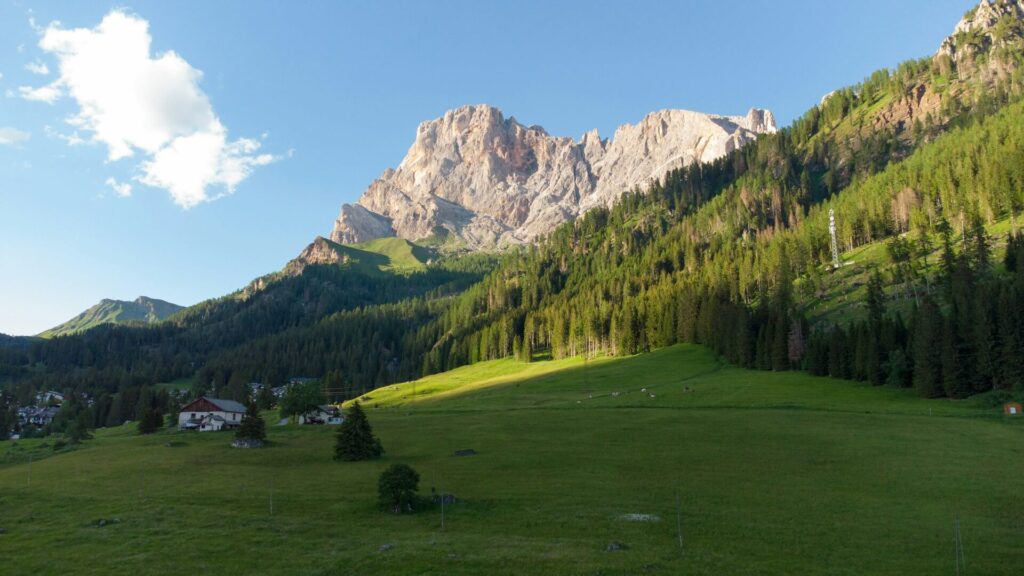
Trentino-Alto Adige, in Italy’s northeastern corner, is a wine region with a distinct Alpine character. This area blends Italian and Austrian influences in language, local cuisine and wine traditions. The region sits adjacent to Austria and Switzerland, featuring valleys with vineyards along the Adige and Isarco rivers.
The area’s specific microclimate forms when cool Alpine air meets warm air currents from Lake Garda, while the Dolomites create a protective rain shadow that provides sunshine to the vineyards. Higher elevation growing sites help maintain acidity in the wines. With approximately 15,800 hectares under vine, Trentino-Alto Adige primarily produces white varieties, which make up over 70% of total production. The area features small family wineries and quality-oriented cooperatives, all contributing to the region’s status for notable wines.
Explore our Italian Wine Guide.
Signature Wines of the Region
Trentino Alto Adige is now considered one of the best wine areas in Italy for white wines and sparkling wines Metodo Classico.
The region is famous for its aromatic and fresh white wines, such as Chardonnay, Gewürztraminer, Pinot Grigio, Müller-Thurgau, Riesling, that take advantage of the peculiar alpine climate and of the geographical conditions of the land. A hidden gem is the local grape Nosiola with its peculiar colour and taste that reminds of hazelnut.
The area also shows great structure in its reds and features native red varieties like Teroldego, Marzemino and Schiava, growing alongside international varieties such as Lagrein, Merlot and Pinot Noir.
Notable Wines
Five representative wines and one gem await those exploring Trentino-Alto Adige’s viticultural landscape. Ancient techniques combine with environmental sustainability, with wines reflecting the Alpine terroir. The region’s high-altitude slopes contribute to the unique character of these wines, with some vineyards reaching elevations up to 900 meters.
- Santa Maddalena – This subzone of the Alto Adige DOC represents one of the most important wine-growing areas. Located around the province of Bolzano it includes all the white and red grape varieties of the region.
- Spumante Metodo classicoTrento DOC – The first Italian DOC dedicated exclusively to Classic Method sparkling wines. Elegant and complex, deeply mineral, with notes of exotic fruits, white flowers, spices, bread crust and an incredibly long final.
- Teroldego Rotaliano DOC – Signature grape of the area, the Teroldego gives birth to wines with an intense purple color with hints of berries, violets, musk and tobacco.
- Lago di Caldaro DOC– The Lake caldaro DOC is located along the oldest wine-growing area in the entire German-speaking area. Here The prevailing grape is Schiava, which finds hereits ideal growing conditions and can develop its distinctive almond aroma together with violet and cherry notes
- Val di Cembra– A subzone of the Trento DOC an hidden gem located in a spectacular territory with vineyards cultivated in stone terraces. Cold temperatures allow perfect growing to Müller-Thurgau, Pinot Bianco, Chardonnay and the local Nosiola for the production of notable whites.
Geography, Terroir, and Climate
Trentino-Alto Adige sits in Italy’s northeastern corner, offering one of Europe’s most distinctive wine-growing environments where Alpine features meet Mediterranean influences. The region contains 13,700 hectares of vineyards across steep slopes and valleys, with the UNESCO-recognized Dolomites forming a dramatic backdrop.
The region is divided administratively but also geographically in Trentino, South, with gentle hills and opened valleys, and Alto Adige, North, with vineyards grown onto the sides of steep slopesVineyards grow on slopes at elevations up to 900 meters, though most remain below 600 meters.
The terroir consists of well-drained alluvial, gravel, and limestone soils.This topography creates various mesoclimates that produce diverse wine expressions. It’s worth noting that approximately 70% of Trentino’s land is situated above 1000 meters in altitude, with vineyards concentrated in the lower elevations.
Climate is notably diverse in the region: Mediterranean in the Garda lake area, where lemon and olive trees can easily grow and Alpine on the mountains.
The continental climate brings summer temperatures above 30°C while winters become decidedly cold. The Dolomites’ rain shadow effect creates drier conditions, while gusts of warm air help protect against fungal diseases. The combination of long sun exposure, elevation, and soil drainage results in wines with remarkable freshness, concentration, and clarity—directly reflecting this extraordinary landscape.
History
Trentino-Alto Adige has developed into one of Italy’s most distinctive wine areas. The earliest finds date back 2,500 years. Seeds, bowls and simple tools found in the Brixen area prove the pre-Roman origin of wine production in the area.
In 15 B.C. the actual South Tyrol became part of the Roman Empire, and from the encounter between Roman cultivation techniques and Rhaetian winegrowing traditions, viticulture prospered, establishing foundations that would continue for thousands of years.
During the Middle Ages abbeys and monasteries began to cultivate land in the area; Benedictins, Bavarian and Swabian monastic orders became the keepers of wine production in what is now South Tyrol for nearly a thousand years.
At the dawn of the Renaissance, Tyrol was annexed to the Habsburg Empire and South Tyrolean wine became well known among the European royal courts. The Habsburg and Austro-Hungarian empires later influenced local viticulture, with Archduke Johann introducing international grape varieties that still grow successfully today.
An important date is 1872 when the Agricultural Institute San Michele all’Adige was founded, one of the first and still one of the most important Agricultural and Oenological institutes in Europe. Beside teaching, the St. Michael Institute encouraged the introduction of new varieties, such as red Bordeaux vines.
The area faced major difficulties—phylloxera destroyed vineyards in the late 19th century,
yet in 1902 the first Spumante from Alto Adige was created, a sparkling wine from Riesling grapes.
World War I disrupted traditional markets more than phylloxera, and finally the region was annexed to Italy. After a long period of crisis after World War II, during the 1980s, attention turned toward quality production, especially with sparkling and aromatic white wines.
Important wine-growing areas
Trentino-Alto Adige’s varied topography forms several distinct wine-growing areas. In Trentino, Trento and San Michele all’Adige produce sparkling wines, while Val di Cembra‘s steep slopes yield mineral-driven whites.
Alto Adige features Valle d’Isarco‘s aromatic varieties and Lago di Caldaro (Kalterersee), known for light-bodied Schiava wines grown on the lake’s sunny shores. The region’s high-altitude vineyards contribute to the exceptional acidity and aromatic complexity found in local wines.
Trento
Trento’s sun-soaked hillsides form the heart of one of Italy’s most distinctive wine regions, where viticulture traditions extend back to Roman times. Vineyards rise dramatically to 900 meters, surrounded by the imposing Dolomite Alps that create unique microclimates for viticulture.
In this area grow both indigenous treasures like Teroldego and Marzemino alongside international varieties such as Chardonnay and Pinot Grigio. The region produces exceptional sparkling wines under the prestigious Trento DOC classification.
Established in 1993 this DOC includes only Classic Method sparkling wines .
The only grape varieties allowed are Chardonnay, Pinot Noir, Pinot Blanc and Pinot Meunier. Maturation on the lees must last a minimum of 15 months for the base type, 24 months for the vintage versions and 36 months for the riserva.
Val di Cembra
Val di Cembra stands as a viticultural highlight in Italy’s mountainous north, carving a dramatic path through the eastern Trentino landscape. At the Dolomites’ foothills, this tributary valley of the Adige river features terraced vineyards on volcanic soils dating back to Roman times.
The valley’s distinctive terroir supports both indigenous and international grape varieties. Nosiola, the valued native grape, grows alongside Müller Thurgau, Pinot Grigio and red plantings of Pinot Nero. The high-altitude vineyards, influenced by Alpine and Mediterranean climates, produce wines with remarkable complexity.
Valle d’Isarco
The Valle d’Isarco, Italy’s northernmost wine-growing region, extends through the Italian Alps near the Austrian border with vineyards reaching elevations of 1,000 meters above sea level. This area represents a multicultural space where Italian and Austrian influences blend, shaping unique wine making approaches.
This Alpine region produces mainly white varietals (95%), which thrive in its specific microclimate where cool Alpine breezes interact with limestone cliffs and sandy-gravelly soils. Sylvaner, Kerner, Gewürztraminer, and Müller-Thurgau grow at various altitudes, each expressing the characteristics of this challenging terrain. The local cooperative Cantina Valle Isarco, founded in 1961 with just 24 individual growers, has grown to represent 130 vignerons cultivating 150 hectares of vineyards.
The region’s fresh mineral-forward wines feature strong acidity and notable aromatics—results of significant day-night temperature differences. The cooperative spirit continues to support both innovation and traditional methods in this remarkable Alpine valley.
Lago di Caldaro
Lake Caldaro’s calm waters mirror the Alpine surroundings while creating a microclimate vital for wine production in this unique area. The DOC was formed in 1970, with vineyards situated between 300-600 meters above sea level across 285 hectares.
Schiava grapes grow predominantly here, sometimes mixed with Pinot Noir and Lagrein. The wines—garnet-colored with subtle almond notes—reflect the region’s characteristics perfectly.
While traveling the South Tyrolean wine route, visitors notice Lago di Caldaro’s wines as integral to local traditions, particularly in German-speaking areas, where they complement traditional Alpine food.
Valdadige
Valdadige extends across 70 municipalities in three provinces—Bolzano and Trento in Trentino-Alto Adige, and Verona in Veneto. This wine region received DOC status in 1975 and benefits from Alpine protection, which creates various microclimates throughout its hills and valleys.
The area supports numerous grape varieties—Pinot Grigio, Chardonnay, and Garganega are prominent white grapes, while Cabernet Franc, Merlot, and the local Enantio variety represent the reds. The area’s terroir features diverse soil compositions including alluvial deposits in valley areas, contributing to the distinctive character of local wines. The regional climate features cold winters and warm summers that extend grape maturation periods, producing wines with distinct character.
Terradeiforti
Between Mount Baldo and the Lessenia plateau lies Terradeiforti, a distinctive wine-growing area. Vineyards grow on alluvial terraces across municipalities including Avio in Trento and various Veneto communities.
This small production zone focuses on red varieties like Casetta and Enantio, which must make up at least 85% of their respective wines. The Consorzio Terra dei Forti oversees the preservation of the region’s viticultural heritage. The alpine climate—with cold winters and mild summers—creates significant day-night temperature variations that develop complex flavors in these indigenous grapes.
White wines, particularly Pinot Grigio, also grow well here. Aging requirements vary from 4 months for whites to 36 months for Riserva expressions. The wines of this region clearly express Terradeiforti’s unique mountainous terroir while reflecting its rich Italian-Austrian cultural heritage.
Isera
Situated in the southwestern corner of Trentino, the subzone of the Trentino DOC, Isera stands as one of the region’s most distinguished wine-growing territories. This small area, which includes Isera and Villa Lagarina municipalities, has received prestigious recognition for its exceptional Marzemino cultivation.
A “Trentino Superiore Marzemino Isera DOC” must meet specific standards of aging and alcohol content. The late-harvesting Marzemino—locally called “Uva Tedesca”—grows well in Isera’s unique microclimate, creating wines with remarkable depth and character. Isera is celebrated for producing one of Italy’s most interesting country reds from the Marzemino grape.
The area’s vineyards, positioned against mountain backdrops, yield wines that pair perfectly with regional foods like wild meats and local cheeses.
Ziresi
Another subzone of the Trentino DOC, Ziresi, stands as a notable area in the wine-producing region, primarily dedicated to Marzemino, which produces red wines with distinct character and complexity.
Ziresi wines must meet strict requirements regarding alcohol content and aging periods before they can be sold. The clay-rich soils give these wines unique mineral notes that work well with their plum, currant, and blackberry flavors. The wines typically have a smooth, full-bodied texture with well-balanced aromas. The exceptional Trentino Superiore Marzemino designation appears on labels that meet the appellation’s rigorous standards.
These wines pair excellently with hearty dishes such as Boeuf Bourguignon or Ossobuco and should be served between 15-18°C to fully appreciate their qualities. The strict regulatory standards ensure that only wines meeting specific criteria can use the “Ziresi” name on their labels.
Merano
Merano stands as an important wine territory within Alto Adige, where the protective Texel Group mountains create an exceptional microclimate for viticulture. The area features vineyards ranging from 300 to 800 meters elevation, with porous weathered soils containing high gravel content on slopes and sandier textures in the valley floor.
This combination of Italian and Germanic winemaking traditions is evident in the region’s characteristic Schiava wines under the “Alto Adige Meranese” DOC designation. Merano is particularly famous for top quality Schiava wines produced under the Südtirol Meraner designation. While these light, crisp reds represent the main production, the area also produces notable Pinot Noir and Merlot expressions resulting in wines with bright acidity and remarkable drinkability.
Valle Venosta
Tucked away in the towering Alpine landscape of Alto Adige, Valle Venosta is one of Italy’s most extreme and distinctive wine regions. The area features vineyards at astonishing heights of 1,340 meters near Marienberg Abbey, where warm days and cool nights create wines of remarkable complexity.
This dry, sun-drenched valley yields exceptional white wines, particularly Kerner, which thrives in the region’s diverse microclimates. The terroir—composed of quartzite, slate, calcite, and pyrite and slightly alkaline—gives a distinctive minerality to each bottle. Eco-friendly cultivation methods are employed to respect the environment while developing the natural qualities of the wine.
Notable producing areas include Sluderno, with the Weinberg Dolomiten (Vigneti delle Dolomiti) IGT and the Mitterberg Dolomiten IGT.
Santa Maddalena
Valle Venosta impresses with its extreme altitudes, while the Santa Maddalena wine region presents a compelling story from the sunny slopes above Bolzano. The loose sandy porphyry soils and south-facing slopes create ideal growing conditions, producing wines with fruity qualities, violet and cherry notes, and characteristic bitter almond finishes.
The most important grapes are Chardonnay, Pinot Grigio, Pinot Nero, Kerner, Müller-Thurgau, Riesling, Sauvignon, Sylvaner verde, Traminer, Cabernet Franc, Cabernet Sauvignon, Merlot, Lagrein, Veltliner and Schiava.
These wines held historical prestige, for their exceptional quality, their supple tannins offer remarkable food compatibility—pairing well with everything from delicate fish to hearty venison—and are best served at 15-18°C within three years of release.
Terlano
While the Santa Maddalena includes both red and white grape varieties the wines of Alto adige DOC appellation subzone Terlano are mainly based on the grape varieties Chardonnay, Pinot bianco, Pinot grigio, Müller-Thurgau, Riesling Renano, Riesling Italico, Sauvignon, and green Sylvaner. This subzone, created in 1975, expresses one of the most important wine-growing areas in the Trentino-Alto Adige region.
Main Grape Varieties
Trentino-Alto Adige’s viticultural landscape features distinctive grapes like Nosiola, the region’s only indigenous white variety, alongside Teroldego with its rich, berry-forward profile.
Marzemino grows well in warmer areas, creating wines with floral notes mentioned by Mozart in “Don Giovanni.” International varieties like Merlot have adapted to this mountainous terrain, while aromatic grapes such as Kerner do particularly well at higher elevations where they develop distinctive alpine character. Gewürztraminer is among the region’s most renowned white varieties, contributing to Alto Adige’s dominance in high-quality white wine production, which accounts for 65% of the region’s output.
Nosiola
Nosiola stands as Trentino’s indigenous white grape variety and viticultural heritage. This ancient variety grows in Valle dei Laghi, where it has been present since the 16th century on well-ventilated hillsides.
Nosiola wines offer delicate floral aromas and a characteristic hazelnut note that gave the variety its name. Dry versions present crisp acidity with subtle fruit and mineral qualities. The variety reaches its finest expression in the Vin Santo Trentino, where grapes undergo traditional appassimento drying before aging for at least three years, developing complex honey and dried fruit characteristics.
This medium-vigored vine with compact, winged clusters expresses Trentino’s terroir beautifully, working well with fish dishes when made as dry wine and pairing with blue cheeses when crafted as Vin Santo. The grape is typically cultivated on specially designed terraced areas that optimize sun exposure and ventilation.
Marzemino
Marzemino wines stand out with their characteristic dark color and smooth, delicate profile. These reds typically present light plummy notes, subtle berry flavors, violet aromatics, and sometimes spicy undertones with balancing acidity. The traditional “pergola trentina” training system helps control this disease-susceptible variety’s potential high yields.
These elegant red wines pair well with smoked meats, polenta, or traditional Italian cheeses for an authentic regional experience. The wine gained international recognition after being mentioned in Mozart’s Don Giovanni, which helped elevate its status among wine enthusiasts.
Teroldego
Teroldego stands as the principal native red grape variety of Trentino. This ancient grape grows mainly in the sandy, gravelly plains of Campo Rotaliano, where it reaches its finest expression under DOC Teroldego Rotaliano standards.
Tasting Teroldego reveals intense dark fruit flavors—blackberries and black currants—in a velvety texture with pleasant acidity and soft tannins that finishes without bitterness. The wine’s deep color indicates its power and complexity. Traditionally, Teroldego vines are cultivated on wire harnesses called “tirelle” throughout the region.
Merlot
Merlot represents an important international red variety that has adapted well to Trentino-Alto Adige’s growing conditions.
These vines grow mainly in southeast Trentino’s hillside vineyards, where rocky, gravelly soils at 200-300 meters elevation provide optimal growing environments. The vines are trained using both Pergola and Guyot systems, ensuring optimal fruit development.
Trentino’s Merlot shows elegant medium body, silky texture, and characteristics of black cherries, spices, and tobacco. The wines feature crisp freshness with well-integrated tannins, typically reaching 13.5% ABV.
Kerner
Kerner, a distinctive white grape variety that grows in the Isarco Valley of Alto Adige, originated in German viticulture where it was created in 1929 by crossing Riesling with the red Trollinger (Schiava) grape.
These wines show an enchanting greenish-yellow color and offer aromatic notes of apple, pear, citrus, and delicate stone fruit hints. The grape’s high acid profile ensures good aging potential, while its late budding provides natural protection against spring frosts. The unique moraine and granite soils of the region contribute significantly to the wine’s pronounced minerality.
Under the Alto Adige Valle Isarco DOC, these wines maintain a minimum 11% alcohol content.
Sylvaner
Sylvaner stands as one of the most distinguished ancient grape varieties grown in Alto Adige’s Valle Isarco, where it has become a cornerstone varietal alongside Riesling. The airy terroirs of this region impart extraordinary character to the wines.
Harvested from late September to mid-October, these grapes undergo gentle pressing before fermenting. The resulting wine shows a yellow hue with greenish reflections and exotic fruit aromas. On the palate, you’ll find a powerful, complex structure with distinctive saltiness and fruity spice notes that linger impressively.
These versatile wines pair excellently with seafood, asparagus dishes, mountain cuisine, and delicate fish, with remarkable aging potential that rewards patience.
Veltliner
The emerald green bottles of Grüner Veltliner represent a distinctive rarity in Trentino-Alto Adige‘s viticultural landscape, finding their primary home in the Valle Isarco area of Alto Adige. Unlike its dominant presence in Austria, where it reigns as the preeminent white variety, Veltliner occupies a niche position in this Italian region’s diverse portfolio. Originally from Austria, this grape is the offspring of Traminer and a rare variety found in St. Georgen.
You’ll recognize these wines by their greenish to light yellow hues and characteristic spicy bouquet. Each sip reveals fresh, green apple notes supported by lively acidity. For the best enjoyment, serve between 8-10°C alongside soft cheeses or white meat dishes. The grape requires careful yield management to express its true character. It thrives in deeper, fertile soils
Schiava
Among the vineyards of Alto Adige, Schiava (known locally as Vernatsch) stands as one of the region’s most historically significant indigenous varieties, representing a centuries-old tradition before international varieties gained popularity in the 1970s.
Schiava thrives at 300-400 meters elevation in South Tyrol’s loamy, calciferous soils, often trained on pergolas to manage its preference for dappled light. The resulting wines show a light ruby hue, silky tannins, and refreshing acidity. Subtle aromas of cherry, raspberry, and floral notes appear across the palate.
Hand-harvested and aged for five months in large oak barrels, Schiava offers a moderate 11.5% alcohol content, ideal for serving slightly chilled at 13°C. This versatile wine pairs well with everything from charcuterie to white fish—making it an excellent option for warm-weather dining when you might typically select rosé.
Enantio
Enantio is found primarily in the Valdadige Terradeiforti DOC, where wines must contain 85-100% of the variety. These expressions offer complex aromas of wild berries, black pepper, and tobacco, with a harmonious palate featuring well-integrated tannins.
The wines are typically aged for at least ten months, often in oak, creating full-bodied yet fresh profiles that pair well with game and aged cheeses. Traditionally, the winemaking process involves fermenting in steel containers to preserve the grape’s fresh and fruity characteristics. For an authentic taste of Trentino winemaking tradition, serve these ruby-colored treasures at 16-18°C.
Gewürztraminer
Gewürztraminer originated from the ancient village of Tramin (Termeno) is the region’s signature aromatic grape variety with a distinctive pink-skinned appearance. This late-ripening variety grows well in the region’s cool climate and clay soils, particularly in Valle Isarco, Val Venosta, and its namesake village.
The wines offer an intensely aromatic profile dominated by lychee, rosewater, cloves, and honey. The name itself reflects this characteristic, as “Gewürz” means spice in German, perfectly describing its aromatic nature. They typically have a slightly oily texture that carries these exotic flavors. The wines range from dry to sweet, with Trentino-Alto Adige expressions typically showing more freshness and acidity than their Alsatian counterparts.
Chardonnay
Chardonnay represents a significant white varietal in Trentino-Alto Adige, with its strongest presence found throughout Trentino’s diverse terroir. These wines show a pale yellow color with distinctive green reflections in each pour.
The glass presents this elegant varietal through crisp apple and tropical pineapple aromas. The palate offers a full-bodied yet invigorating experience, particularly in steel-matured expressions where the absence of oak allows its natural citrus notes to remain prominent. Some vintages undergo aging in French oak tonneaux, creating a different expression of this versatile grape.
Vineyards planted between 200-800 meters above sea level contribute to the wine’s complexity and vibrant acidity. Serve these wines chilled at 8-10°C alongside seafood, white meats, or ricotta ravioli to experience the connection between wine and cuisine that defines the region’s gastronomic heritage.
Pinot Nero
Pinot Nero, the most highly regarded red varietal in Trentino-Alto Adige, grows exceptionally well in the region’s cool mountain climate. Known internationally as Pinot Noir, this sensitive grape produces elegant, light-bodied wines with bright acidity and subtle flavors of red berries and cherries.
Trentino Pinot Nero DOC regulations require wines to contain 85-100% Pinot Nero grapes and reach a minimum 11% alcohol content. These wines are released after March 1st following harvest, while Riserva versions need additional aging.
The high-altitude vineyards and varied soils of the region add to complex flavor profiles—blackberry and black raspberry aromas combine with forest floor notes and light minerality. A standout example is the Pinot Nero DOC Terlano which undergoes aging in wooden barrels for 7-10 months to develop its distinctive character. These refined wines match well with cold cuts, game meats, trout, and medium-aged cheeses.
Pinot Grigio
While red varieties like Pinot Nero show Trentino-Alto Adige’s capability with cooler climate reds, the region’s white wines have gained greater international recognition, particularly those made from Pinot Grigio.
Trentino-Alto Adige’s high-altitude vineyards produce exceptional character from this pinkish-gray grape. The cool alpine climate creates crisp acidity and clean minerality, resulting in wines with impressive precision. The high acidity enhances food pairings perfectly, making these wines exceptionally versatile at the table. The taste profile includes bright citrus, green apple, and delicate floral notes, sometimes with ripe pear undertones.
Unlike warmer climate versions, these DOC-classified Pinot Grigios display elegant structure and notable finesse.
Lagrein
Lagrein represents one of Trentino-Alto Adige‘s most distinctive indigenous varieties, with a rich heritage dating back to the 13th century. This grape grows best in the porphyry soils around Bolzano, where it shows its full character.
The wine offers intense black cherry and plum aromas, accompanied by spicy notes and a pronounced minerality. The robust structure and full-bodied nature are well-balanced by high acidity, creating wines with impressive aging potential. These wines continue to develop tertiary flavors of Chinese five-spice, damson and chocolate notes with extended aging. Two primary styles exist: the full-bodied Lagrein Scuro/Dunkel and the fragrant Lagrein Rosato/Kretzer.
Though challenging to grow, dedicated growers throughout the region produce exceptional single-vineyard expressions that pair well with hearty Tyrolean dishes and aged mountain cheeses.
Müller Thurgau
Müller-Thurgau represents one of the most successful crossings in modern viticulture, growing well in the elevated vineyards of Valle Isarco in Trentino-Alto Adige. Created in 1882 from Hermann Müller‘s crossing of Riesling and Madeleine Royale, this variety has adapted perfectly to the cool, well-ventilated slopes of this northern Italian region.
These wines feature a delicate muscat aroma and subtle fruit character, with their pale yellow color hiding complex flavors. The variety’s distinct muscat bouquet is particularly well-expressed in this alpine terroir. While lacking the aging potential of its Riesling parent, these wines offer immediate drinking pleasure. In Trentino’s deep, water-rich soils, Müller-Thurgau develops a characteristic regional profile—crisp and refreshing, reflecting the alpine terroir of the area.
Riesling
Among the noble white grape varieties of Trentino-Alto Adige, Riesling stands as evidence to this alpine region’s cool-climate viticulture excellence. Both Rhenish Riesling and Riesling Italico (Welschriesling) thrive in the morainic soils of specific valleys, particularly in the Valle Isarco zone.
These wines present an enchanting profile of candied fruits, tropical notes, and citrus flavors with a distinctive mineral finish. The high altitude vineyards contribute remarkable complexity and aging potential.
Incrocio Manzoni
Incrocio Manzoni represents one of viticulture’s most successful cross-breeding experiments, created by Professor Luigi Manzoni at the Scuola Enologica di Conegliano during the 1930s. His aim was producing resilient vines with improved sensory qualities through hybridization.
Not widely planted in Trentino-Alto Adige’s vineyards, these medium-small, spherical grapes with thick skins appear occasionally in the region’s experimental plots. The resulting wines feature strong aromatic notes of rose and apricot, with a characteristic straw yellow color and full-bodied taste.
These varieties grow well in hilly areas with deep, cool soils that aren’t compact. Though Trentino-Alto Adige concentrates more on Pinot Grigio, Gewürztraminer, and local varieties, the region’s suitable climate offers interesting possibilities for Manzoni’s crossbreeds. The Incrocio Manzoni 1.50 specifically results from crossing Trebbiano Romagnolo and Gewürztraminer grape varieties.
Cabernet Sauvignon
Cabernet Sauvignon acts as an international representative in the region’s wine selection.
This adaptable variety grows well in the region’s well-drained, gravelly soils, especially where sufficient sunlight allows complete ripening.
The cooler alpine climate adds distinctive herbaceous notes alongside the classic blackberry and black currant character. When aged in oak, these wines develop additional aromas of tobacco and eucalyptus. The wine’s strong vigorous nature allows it to thrive despite the challenging alpine growing conditions.
Though not as common as native varieties, Cabernet Sauvignon from this region presents an elegant expression with firm tannins and aging potential. These wines pair well with regional specialties like speck or heartier dishes.
Cabernet Franc
Lesser known than its offspring Cabernet Sauvignon, Cabernet Franc holds a distinctive position in Trentino-Alto Adige’s viticultural landscape. This cold-resistant variety adapts well to the region’s alpine climate and well-drained soils.
In the glass, it presents as a ruby-hued wine with herbaceous notes and smoky undertones accompanied by strawberry and raspberry hints. The wine’s elegant structure features softer tannins than Cabernet Sauvignon, allowing for earlier enjoyment while maintaining aging potential.
In Trentino-Alto Adige, Cabernet Franc is often blended with indigenous varieties to create wines of remarkable depth, though single-varietal bottlings exist. The grape’s success in the region can be attributed to its ability to withstand winter frosts and thrive in various soil conditions.
Overview on appellations system
Trentino-Alto Adige sits between the Alps and Dolomites, with its appellation system reflecting the region’s cultural duality and geographical diversity. The area combines Italian and Austrian influences across 15,000 hectares of vineyards, divided into Trentino and Alto Adige territories.
The region features multiple appellations, including Trento DOC—known for Metodo Classico sparkling wines requiring extensive lees aging—and Alto Adige DOC with its Alsatian-inspired varietal expressions. The distinctive warm summers and cold winters of Alto Adige create ideal conditions for developing wines with pronounced aromatics and balanced acidity. More specific sub designations like Terlano DOC and Kalterersee DOC highlight local terroirs.
Trentino-Alto Adige maintains Italy’s highest percentage of DOC-classified wines, with cooperatives central to production, particularly in Alto Adige. The appellation structure includes both international varieties like Chardonnay and indigenous grapes such as Teroldego and Lagrein, creating a distinctive viticultural collection.
3 Wine Destinations for a Perfect One-Day Trip
For your one-day trip through Trentino-Alto Adige, you’ll find remarkable diversity among the Trentino and the Alto Adige‘s wine areas, where tastings offer insights into local production methods combining wine tastings with breathtaking alpine scenery.
For the best experience, plan your visit between June and September, when milder temperatures and longer days create ideal conditions for winery visits and outdoor wine tastings.
Trento DOC and The Valle dei Laghi
Trentino’s appeal as a one-day wine destination comes from its concentrated high-quality vineyards, historic estates, and stunning alpine scenery for a wine region devoted to sparkling wines.
Start from Trento to explore the DOC area, known for exceptional sparkling wines that showcase the region’s distinctive terroir.
Continue to Valle dei Laghi, where age-old methods exist alongside beautiful views of clear waters. Here you cannot miss the unique Castel of Toblino accessible by means of a wooden drawbridge, a splendid example of lake fortification dating back to 201 A.D.
Admire its the ancient cellars and the rooms dedicated to the crushing of grapes and the maturation of nosiola grapes on the so-called “arele,” trellises where the grapes dried to produce the Vino Santo from Trentino.
Alto Adige Mountain Wineries
The majestic limestone peaks of the Dolomites form the spectacular backdrop for one of Italy’s most rewarding wine areas, where ancient vineyards cling to steep mountain slopes. This UNESCO World Heritage Site shapes extraordinary terroir—high altitude vineyards yielding wines with remarkable acidity and aromatic complexity.
Wine enthusiasts can sample underrated varieties like Müller-Thurgau, Riesling, Gewürztraminer, Grüner Vertliner, Kerner and Sylvaner that showcase the region’s exceptional quality.
Beautiful vineyards around Caldaro lake
Vineyards reflect onto a water mirror around Caldaro lake at the foot of the Alps. Grape vines grow between 300-600 meters above sea level across 285 hectares on old pergola systems in a wonderful landscape.
The most important grape is the Schiava that was introduced in the region by the Longobards in the 13th century. The area is also known for its typical food restaurants called taberna.
3 Traditional Dishes You Must Try
While enjoying Trentino-Alto Adige‘s local cuisine, you’ll find traditional regional dishes like Canederli, savory bread dumplings with speck that go perfectly with the area’s crisp white wines.
Strangolapreti, spinach-potato dumplings topped with brown butter, provide a rustic yet refined taste of Alpine cooking that works well with local Teroldego reds. The region’s culinary heritage also features hearty goulash with polenta, reflecting the fascinating fusion of Italian and Hungarian influences.
Complete your tasting with the region’s Alpine cheese selections featuring mountain-aged Puzzone di Moena or Vezzena, which offer complex flavors that pair with the mineral notes in the region’s notable wines.
Canederli (Bread Dumplings)
The simple canederli, these round bread dumplings, stand as the heart of Trentino-Alto Adige’s cucina povera tradition. From medieval times, they show the region’s practical approach, turning stale bread into comforting food.
These dumplings appear poached in flavorful broths or topped with melted alpine butter. Speck, local cheese, and fresh herbs often mix into the dough, creating flavors that reflect Tyrolean roots. When formed, the bread needs proper soaking—wet enough to hold together while keeping its shape. The quality of stale bread used determines the overall texture of these traditional dumplings.
At mountain rifugi, you might find canederli in several forms: containing mushrooms, colored green with spinach, or made sweet for dessert. Each mouthful links you to Alpine cooking traditions and the simple satisfaction of using all available ingredients.
Strangolapreti With Butter
Strangolapreti stands out as one of Trentino’s most beloved spinach dumplings, carrying with it centuries of regional history and culinary wisdom. These “priest stranglers” blend stale bread, blanched spinach, milk, eggs, and minimal flour into light, emerald-flecked parcels that capture the essence of cucina povera.
When you visit Trentino-Alto Adige, you’ll find these dumplings traditionally served floating in a sauce of browned butter and crisp sage leaves, generously dusted with local Trentingrana cheese. The combination creates an almost ethereal mouthfeel—tender dumplings yielding to the nutty richness of brown butter and aromatic sage. Dating back to the Council of Trent, this comforting dish shows the region’s ability to transform humble ingredients into something special. The name strangolapreti literally translates to priest stranglers due to their sticky texture that requires careful eating. Pair it with a glass of local Lagrein for an authentic regional experience.
Alpine Cheese Platters
Traditional alpine cheese platters found in Trentino-Alto Adige’s mountain valleys represent the finest examples of local culinary craftsmanship, reflecting the area’s rich dairy traditions. Visitors can sample from more than 200 varieties, including notable PDO selections such as Stelvio, known for its distinctive spiciness, and Trentingrana with its intense, slightly sharp character.
For a genuine regional experience, enjoy these mountain cheeses alongside local speck—the characteristic cured ham with smoky notes—or classic polenta. Add seasonal fruits, nuts, and regional breads like canederli dumplings to round out your tasting selection.
A thoughtful pairing makes the experience complete: try crisp Trentodoc sparkling wine with milder cheeses, or sample native red grape varieties such as Lagrein and Schiava with aged products.